
Catalogue Search | MBRL


Are you sure you want to remove the book from the shelf?

{{itemTitle}}
1,527
result(s) for
"Prasad, Rajendra"
Sort by:
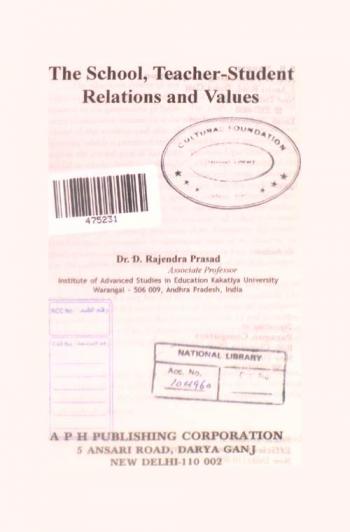
The school, teacher-student relations and values
Study conducted at Warangal District of Andhra Pradesh, India.
Book

Population structure and genetic diversity characterization of soybean for seed longevity
Seed longevity is an important trait in the context of germplasm conservation and economics of seed production. The identification of populations with high level of genetic variability for seed longevity and associated traits will become a valuable resource for superior alleles for seed longevity. In this study, Genotyping-by-sequencing (GBS)-single nucleotide polymorphism (SNP) approach, simple sequence repeats (SSR) markers and agro-morphological traits have been explored to investigate the diversity and population structure of assembled 96 genotypes. The GBS technique performed on 96 genotypes of soybean ( Glycine max (L.) Merrill) resulted in 37,897 SNPs on sequences aligned to the reference genome sequence. The average genome coverage was 6.81X with a mapping rate of 99.56% covering the entire genome. Totally, 29,955 high quality SNPs were identified after stringent filtering and most of them were detected in non-coding regions. The 96 genotypes were phenotyped for eight quantitative and ten qualitative traits by growing in field by following augmented design. The STRUCTURE (Bayesian-model based algorithm), UPGMA (Un-weighed Pair Group Method with Arithmetic mean) and principal component analysis (PCA) approaches using SSR, SNP as well as quantitative and qualitative traits revealed population structure and diversity in assembled population. The Bayesian-model based STRUCTURE using SNP markers could effectively identify clusters with higher seed longevity associated with seed coat colour and size which were subsequently validated by UPGMA and PCA based on SSR and agro-morphological traits. The results of STRUCTURE, PCA and UPGMA cluster analysis showed high degree of similarity and provided complementary data that helped to identify genotypes with higher longevity. Six black colour genotypes, viz ., Local black soybean, Kalitur, ACC Nos. 39, 109, 101 and 37 showed higher seed longevity during accelerated ageing. Higher coefficient of variability observed for plant height, number of pods per plant, seed yield per plant, 100 seed weight and seed longevity confirms the diversity in assembled population and its suitability for quantitative trait loci (QTL) mapping.
Journal Article


Emerging nanotechnology-based therapeutics to combat multidrug-resistant cancer
Cancer often develops multidrug resistance (MDR) when cancer cells become resistant to numerous structurally and functionally different chemotherapeutic agents. MDR is considered one of the principal reasons for the failure of many forms of clinical chemotherapy. Several factors are involved in the development of MDR including increased expression of efflux transporters, the tumor microenvironment, changes in molecular targets and the activity of cancer stem cells. Recently, researchers have designed and developed a number of small molecule inhibitors and derivatives of natural compounds to overcome various mechanisms of clinical MDR. Unfortunately, most of the chemosensitizing approaches have failed in clinical trials due to non-specific interactions and adverse side effects at pharmacologically effective concentrations. Nanomedicine approaches provide an efficient drug delivery platform to overcome the limitations of conventional chemotherapy and improve therapeutic effectiveness. Multifunctional nanomaterials have been found to facilitate drug delivery by improving bioavailability and pharmacokinetics, enhancing the therapeutic efficacy of chemotherapeutic drugs to overcome MDR. In this review article, we discuss the major factors contributing to MDR and the limitations of existing chemotherapy- and nanocarrier-based drug delivery systems to overcome clinical MDR mechanisms. We critically review recent nanotechnology-based approaches to combat tumor heterogeneity, drug efflux mechanisms, DNA repair and apoptotic machineries to overcome clinical MDR. Recent successful therapies of this nature include liposomal nanoformulations, cRGDY-PEG-Cy5.5-Carbon dots and Cds/ZnS core–shell quantum dots that have been employed for the effective treatment of various cancer sub-types including small cell lung, head and neck and breast cancers.
Graphical Abstract
Journal Article

Seed birth to death: dual functions of reactive oxygen species in seed physiology
Background Reactive oxygen species (ROS) are considered to be detrimental to seed viability. However, recent studies have demonstrated that ROS have key roles in seed germination particularly in the release of seed dormancy and embryogenesis, as well as in protection from pathogens. Scope This review considers the functions of ROS in seed physiology. ROS are present in all cells and at all phases of the seed life cycle. ROS accumulation is important in breaking seed dormancy, and stimulating seed germination and protection from pathogens. However, excessive ROS accumulation can be detrimental. Therefore, knowledge of the mechanisms by which ROS influence seed physiology will provide insights that may not only allow the development of seed quality markers but also help us understand how dormancy can be broken in several recalcitrant species. Conclusions Reactive oxygen species have a dual role in seed physiology. Understanding the relative importance of beneficial and detrimental effects of ROS provides great scope for the improvement and maintenance of seed vigour and quality, factors that may ultimately increase crop yields.
Journal Article

A New Generalized Pole Clustering-Based Model Reduction Technique and Its Application for Design of Controllers
A new model diminution technique is proposed for the reduction of complexity of higher order linear dynamical systems. In this proposed method, a generalized pole clustering technique is used for obtaining the denominator polynomial of the lower order plant and the numerator polynomial is evaluated by applying the Padé approximation technique. The generalized pole clustering algorithm promises the preservation of stability and dominant poles of the actual system in the reduced order plant. The performance error indices such as integral square error (ISE), integral absolute error (IAE), integral time weighted absolute error (ITAE) and relative integral square error (RISE) are used to validate the proposed technique. By using the transfer function of the simplified order plant, the PID and lead/lag compensators are designed by using a moment matching algorithm. This controller is applied to the original large scale system and the response of the closed loop system is matching with the response of the desired reference model.
Journal Article

Scalar tidal response of a rotating BTZ black hole
A
bstract
We study the response of a rotating BTZ black hole to the scalar tidal perturbation. We show that the real component of the tidal response function isn’t zero, indicating that a rotating BTZ black hole possesses non-zero tidal Love numbers. Additionally, we observe scale-dependent behaviour, known as log-running, in the tidal response function. We also conduct a separate analysis on an extremal rotating BTZ black hole, finding qualitative similarities with its non-extremal counterpart. In addition, we present a procedure to calculate the tidal response function of a charged rotating BTZ black hole as well.
Journal Article

Phyto-Mediated Synthesis of Silver Nanoparticles Using Terminalia chebula Fruit Extract and Evaluation of Its Cytotoxic and Antimicrobial Potential
The increasing interest in developing potent non-toxic drugs in medicine is widening the opportunities for studying the usage of nanostructures in the treatment of various diseases. The present work reports a method for a facile and an eco-friendly synthesis of silver nanoparticles (AgNPs) using Terminalia chebula fruit extract (TCE). The obtained AgNPs was characterized by using different spectroscopic and microscopic techniques. The analysis of the results revealed that the as-obtained AgNPs have spherical morphology with an average diameter of 22 nm. Furthermore, the preliminary bioactivity evaluations revealed that the bio-conjugation of AgNPs, using TCE, significantly enhanced the antibacterial and anti-breast cancer potentials of the latter. The antibacterial activity of the as-prepared AgNPs showed that B. subtilis was more sensitive towards the AgNPs, followed by P. aeruginosa; while, E. coli and S. mutans showed comparatively minimal sensitivity toward the AgNPs. The IC50 values of TCE, AgNPs and TCE + AgNPs treatment of MCF-7 were found to be 17.53, 14.25 and 6.484 µg/mL, respectively. Therefore, it can be ascertained that the bio-conjugation may provide a headway with regard to the therapeutic employment of T. chebula, upon mechanistically understanding the basis of observed antibacterial and anticancer activities.
Journal Article

PLGA/PLA-Based Long-Acting Injectable Depot Microspheres in Clinical Use: Production and Characterization Overview for Protein/Peptide Delivery
Over the past few decades, long acting injectable (LAI) depots of polylactide-co-glycolide (PLGA) or polylactic acid (PLA) based microspheres have been developed for controlled drug delivery to reduce dosing frequency and to improve the therapeutic effects. Biopharmaceuticals such as proteins and peptides are encapsulated in the microspheres to increase their bioavailability and provide a long release period (days or months) with constant drug plasma concentration. The biodegradable and biocompatible properties of PLGA/PLA polymers, including but not limited to molecular weight, end group, lactide to glycolide ratio, and minor manufacturing changes, could greatly affect the quality attributes of microsphere formulations such as release profile, size, encapsulation efficiency, and bioactivity of biopharmaceuticals. Besides, the encapsulated proteins/peptides are susceptible to harsh processing conditions associated with microsphere fabrication methods, including exposure to organic solvent, shear stress, and temperature fluctuations. The protein/peptide containing LAI microspheres in clinical use is typically prepared by double emulsion, coacervation, and spray drying techniques. The purpose of this review is to provide an overview of the formulation attributes and conventional manufacturing techniques of LAI microspheres that are currently in clinical use for protein/peptides. Furthermore, the physicochemical characteristics of the microsphere formulations are deliberated.
Journal Article
Drought and High Temperature Stress in Sorghum: Physiological, Genetic, and Molecular Insights and Breeding Approaches
Sorghum is one of the staple crops for millions of people in Sub-Saharan Africa (SSA) and South Asia (SA). The future climate in these sorghum production regions is likely to have unexpected short or long episodes of drought and/or high temperature (HT), which can cause significant yield losses. Therefore, to achieve food and nutritional security, drought and HT stress tolerance ability in sorghum must be genetically improved. Drought tolerance mechanism, stay green, and grain yield under stress has been widely studied. However, novel traits associated with drought (restricted transpiration and root architecture) need to be explored and utilized in breeding. In sorghum, knowledge on the traits associated with HT tolerance is limited. Heat shock transcription factors, dehydrins, and genes associated with hormones such as auxin, ethylene, and abscisic acid and compatible solutes are involved in drought stress modulation. In contrast, our understanding of HT tolerance at the omic level is limited and needs attention. Breeding programs have exploited limited traits with narrow genetic and genomic resources to develop drought or heat tolerant lines. Reproductive stages of sorghum are relatively more sensitive to stress compared to vegetative stages. Therefore, breeding should incorporate appropriate pre-flowering and post-flowering tolerance in a broad genetic base population and in heterotic hybrid breeding pipelines. Currently, more than 240 QTLs are reported for drought tolerance-associated traits in sorghum prospecting discovery of trait markers. Identifying traits and better understanding of physiological and genetic mechanisms and quantification of genetic variability for these traits may enhance HT tolerance. Drought and HT tolerance can be improved by better understanding mechanisms associated with tolerance and screening large germplasm collections to identify tolerant lines and incorporation of those traits into elite breeding lines. Systems approaches help in identifying the best donors of tolerance to be incorporated in the SSA and SA sorghum breeding programs. Integrated breeding with use of highthroughput precision phenomics and genomics can deliver a range of drought and HT tolerant genotypes that can improve yield and resilience of sorghum under drought and HT stresses.
Journal Article