
Catalogue Search | MBRL


Are you sure you want to remove the book from the shelf?

{{itemTitle}}
99
result(s) for
"Rabut, Isabelle"
Sort by:


Aspects of a multi-faceted process: The circulation of enamel wares between the Vatican and Kangxi’s court (1700-1722)
The dramatic changes that China has experienced in the past thirty years have triggered a sense of nostalgia that has inevitably been used commercially. The present article discusses this phenomenon on the basis of two specific examples, both linked to the development of the tourism industry: that of the enhancement of old towns or districts, and that of themed hotels and restaurants. It reflects upon the effects induced by this intrusion of consumerist logic into the field of memory: Does it result in the past being rehabilitated, trivialized, or even deprived of meaning? It also highlights the paradoxical affinities between nostalgia for the past and the cult of modernity and material abundance that characterizes the present era. References to the works of Yu Hua and Jia Pingwa show how this new relationship with the past has found an echo in contemporary literature.
Journal Article
Le commerce de la nostalgie dans la Chine d’aujourd’hui
Les bouleversements qu’a connus la Chine au cours des trente dernières années ont suscité un sentiment de nostalgie qui n’a pas manqué d’être exploité sur le plan commercial. Le présent article évoque ce phénomène en se fondant sur deux exemples particuliers, tous deux liés au développement de l’industrie touristique : celui de la mise en valeur des villes ou quartiers anciens, et celui des hôtels et restaurants à thème. Il s’interroge sur les effets induits par cette intrusion de la logique consumériste dans le champ de la mémoire : le passé en sort-il réhabilité, banalisé, voire privé de sens ? Il souligne également les affinités paradoxales entre la nostalgie du passé et le culte de la modernité et de l’abondance matérielle qui caractérise l’époque actuelle. Des renvois aux œuvres de Yu Hua et de Jia Pingwa montrent comment ce nouveau rapport au passé a trouvé un écho dans la littérature contemporaine. The dramatic changes that China has experienced in the past thirty years have triggered a sense of nostalgia that has inevitably been used commercially. The present article discusses this phenomenon on the basis of two specific examples, both linked to the development of the tourism industry: that of the enhancement of old towns or districts, and that of themed hotels and restaurants. It reflects upon the effects induced by this intrusion of consumerist logic into the field of memory: Does it result in the past being rehabilitated, trivialized, or even deprived of meaning? It also highlights the paradoxical affinities between nostalgia for the past and the cult of modernity and material abundance that characterizes the present era. References to the works of Yu Hua and Jia Pingwa show how this new relationship with the past has found an echo in contemporary literature. 中国在过去三十年中所经历的巨变激起了一种怀旧情绪,这不可避免地在商业层面上被利用。本文基于两个具体的实例来探讨这种现象,这两个例子都与旅游业的发展有关:古镇开发、城市旧区改造,以及主题酒店和餐厅的兴起。文章思考这种消费主义逻辑侵入人们记忆范畴所带来的影响:过去恢复了其光彩,抑或变得平凡甚至失去了意义?本文也强调了对过去的怀旧与当代对现代化和物质丰富的崇拜之间,存在的微妙而自相矛盾的联系。通过对余华和贾平凹作品的引用和简析,论文也试图呈现这种与过去的新关系如何在当代文学中找到回声。
Journal Article
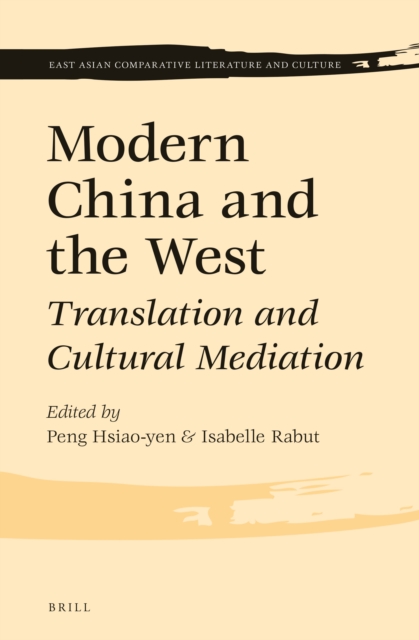
Modern China and the West
In Modern China and the West: Translation and Cultural Mediation, the authors investigate the significant role translation plays in cultural mediation. Transnational organizations that bring about cross-cultural interactions as well as regulating authorities, in the form of both nation-states and ideologies, are under scrutiny.
eBook
Le Commerce de la nostalgie dans la Chine d’aujourd’hui
The dramatic changes that China has experienced in the past thirty years have triggered a sense of nostalgia that has inevitably been used commercially. The present article discusses this phenomenon on the basis of two specific examples, both linked to the development of the tourism industry: that of the enhancement of old towns or districts, and that of themed hotels and restaurants. It reflects upon the effects induced by this intrusion of consumerist logic into the field of memory: Does it result in the past being rehabilitated, trivialized, or even deprived of meaning? It also highlights the paradoxical affinities between nostalgia for the past and the cult of modernity and material abundance that characterizes the present era. References to the works of Yu Hua and Jia Pingwa show how this new relationship with the past has found an echo in contemporary literature.
Les bouleversements qu’a connus la Chine au cours des trente dernières années ont suscité un sentiment de nostalgie qui n’a pas manqué d’être exploité sur le plan commercial. Le présent article évoque ce phénomène en se fondant sur deux exemples particuliers, tous deux liés au développement de l’industrie touristique : celui de la mise en valeur des villes ou quartiers anciens, et celui des hôtels et restaurants à thème. Il s’interroge sur les effets induits par cette intrusion de la logique consumériste dans le champ de la mémoire : le passé en sort-il réhabilité, banalisé, voire privé de sens? Il souligne également les affinités paradoxales entre la nostalgie du passé et le culte de la modernité et de l’abondance matérielle qui caractérise l’époque actuelle. Des renvois aux œuvres de Yu Hua et de Jia Pingwa montrent comment ce nouveau rapport au passé a trouvé un écho dans la littérature contemporaine.
中国在过去三十年中所经历的巨变激起了一种怀旧情绪,这不可避免地在商 业层面上被利用。本文基于两个具体的实例来探讨这种现象,这两个例子都 与旅游业的发展有关 :古镇开发、城市旧区改造,以及主题酒店和餐厅的兴 起。文章思考这种消费主义逻辑侵入人们记忆范畴所带来的影响 :过去恢复 了其光彩,抑或变得平凡甚至失去了意义?本文也强调了对过去的怀旧与当 代对现代化和物质丰富的崇拜之间,存在的微妙而自相矛盾的联系。通过对 余华和贾平凹作品的引用和简析,论文也试图呈现这种与过去的新关系如何 在当代文学中找到回声。
Journal Article
Le commerce de la nostalgie dans la Chine d’aujourd’hui
Les bouleversements qu’a connus la Chine au cours des trente dernières années ont suscité un sentiment de nostalgie qui n’a pas manqué d’être exploité sur le plan commercial. Le présent article évoque ce phénomène en se fondant sur deux exemples particuliers, tous deux liés au développement de l’industrie touristique : celui de la mise en valeur des villes ou quartiers anciens, et celui des hôtels et restaurants à thème. Il s’interroge sur les effets induits par cette intrusion de la logique consumériste dans le champ de la mémoire : le passé en sort-il réhabilité, banalisé, voire privé de sens ? Il souligne également les affinités paradoxales entre la nostalgie du passé et le culte de la modernité et de l’abondance matérielle qui caractérise l’époque actuelle. Des renvois aux œuvres de Yu Hua et de Jia Pingwa montrent comment ce nouveau rapport au passé a trouvé un écho dans la littérature contemporaine. The dramatic changes that China has experienced in the past thirty years have triggered a sense of nostalgia that has inevitably been used commercially. The present article discusses this phenomenon on the basis of two specific examples, both linked to the development of the tourism industry: that of the enhancement of old towns or districts, and that of themed hotels and restaurants. It reflects upon the effects induced by this intrusion of consumerist logic into the field of memory: Does it result in the past being rehabilitated, trivialized, or even deprived of meaning? It also highlights the paradoxical affinities between nostalgia for the past and the cult of modernity and material abundance that characterizes the present era. References to the works of Yu Hua and Jia Pingwa show how this new relationship with the past has found an echo in contemporary literature.
Journal Article
