
Catalogue Search | MBRL


Are you sure you want to remove the book from the shelf?

{{itemTitle}}
94
result(s) for
"Ransome, James"
Sort by:

Benny Goodman & Teddy Wilson : taking the stage as the first black and white jazz band in history
Celebrates the first widely seen integrated jazz performance: the debut of the Benny Goodman quartet with Teddy Wilson in 1936 Chicago.
Book

Core Software Security
\"... an engaging book that will empower readers in both large and small software development and engineering organizations to build security into their products. ... Readers are armed with firm solutions for the fight against cyber threats.\" —Dr. Dena Haritos Tsamitis. Carnegie Mellon University \"... a must read for security specialists, software developers and software engineers. ... should be part of every security professional’s library . \" —Dr. Larry Ponemon, Ponemon Institute \"... the definitive how-to guide for software security professionals. Dr. Ransome, Anmol Misra, and Brook Schoenfield deftly outline the procedures and policies needed to integrate real security into the software development process. ...A must-have for anyone on the front lines of the Cyber War ...\" —Cedric Leighton, Colonel, USAF (Ret.), Cedric Leighton Associates \"Dr. Ransome, Anmol Misra, and Brook Schoenfield give you a magic formula in this book - the methodology and process to build security into the entire software development life cycle so that the software is secured at the source! \" —Eric S. Yuan, Zoom Video Communications There is much publicity regarding network security, but the real cyber Achilles’ heel is insecure software. Millions of software vulnerabilities create a cyber house of cards, in which we conduct our digital lives. In response, security people build ever more elaborate cyber fortresses to protect this vulnerable software. Despite their efforts, cyber fortifications consistently fail to protect our digital treasures. Why? The security industry has failed to engage fully with the creative, innovative people who write software. Core Software Security expounds developer-centric software security, a holistic process to engage creativity for security. As long as software is developed by humans, it requires the human element to fix it. Developer-centric security is not only feasible but also cost effective and operationally relevant. The methodology builds security into software development, which lies at the heart of our cyber infrastructure. Whatever development method is employed, software must be secured at the source .
Book Highlights:
Supplies a practitioner's view of the SDL
Considers Agile as a security enabler
Covers the privacy elements in an SDL
Outlines a holistic business-savvy SDL framework that includes people, process, and technology
Highlights the key success factors, deliverables, and metrics for each phase of the SDL
Examines cost efficiencies, optimized performance, and organizational structure of a developer-centric software security program and PSIRT
Includes a chapter by noted security architect Brook Schoenfield who shares his insights and experiences in applying the book’s SDL framework
View the authors' website at http://www.androidinsecurity.com/
Introduction The Importance and Relevance of Software Security Software Security and the Software Development Lifecycle Quality Versus Secure Code The Three Most Important SDL Security Goals Threat Modeling and Attack Surface Validation Chapter Summary—What to Expect from This Book References The Secure Development Lifecycle Overcoming Challenges in Making Software Secure Software Security Maturity Models ISO/IEC 27034—Information Technology—Security Techniques—Application Security Other Resources for SDL Best Practices SAFECode U.S. Department of Homeland Security Software Assurance Program National Institute of Standards and Technology MITRE Corporation Common Computer Vulnerabilities and Exposures SANS Institute Top Cyber Security Risks U.S. Department of Defense Cyber Security and Information Systems Information Analysis Center (CSIAC) CERT, Bugtraq, and SecurityFocus Critical Tools and Talent The Tools The Talent Principles of Least Privilege Privacy The Importance of Metrics Mapping the Security Development Lifecycle to the Software Development Lifecycle Software Development Methodologies Waterfall Development Agile Development Chapter Summary References Security Assessment (A1): SDL Activities and Best Practices Software Security Team Is Looped in Early Software Security Hosts a Discovery Meeting Software Security Team Creates an SDL Project Plan Privacy Impact Assessment (PIA) Plan Initiated Security Assessment (A1) Key Success Factors and Metrics Key Success Factors Deliverables Metrics Chapter Summary References Architecture (A2): SDL Activities and Best Practices A2 Policy Compliance Analysis SDL Policy Assessment and Scoping Threat Modeling/Architecture Security Analysis Threat Modeling Data Flow Diagrams Architectural Threat Analysis and Ranking of Threats Risk Mitigation Open-Source Selection Privacy Information Gathering and Analysis Key Success Factors and Metrics Key Success Factors Deliverables Metrics Chapter Summary References Design and Development (A3): SDL Activities and Best Practices A3 Policy Compliance Analysis Security Test Plan Composition Threat Model Updating Design Security Analysis and Review Privacy Implementation Assessment Key Success Factors and Metrics Key Success Factors Deliverables Metrics Chapter Summary References Design and Development (A4): SDL Activities and Best Practices A4 Policy Compliance Analysis Security Test Case Execution Code Review in the SDLC/SDL Process Security Analysis Tools Static Analysis Dynamic Analysis Fuzz Testing Manual Code Review Key Success Factors Deliverables Metrics Chapter Summary References Ship (A5): SDL Activities and Best Practices A5 Policy Compliance Analysis Vulnerability Scan Penetration Testing Open-Source Licensing Review Final Security Review Final Privacy Review Key Success Factors Deliverables Metrics Chapter Summary References
Post-Release Support (PRSA1–5) Right-Sizing Your Software Security Group The Right Organizational Location The Right People The Right Process PRSA1: External Vulnerability Disclosure Response Post-Release PSIRT Response Post-Release Privacy Response Optimizing Post-Release Third-Party Response PRSA2: Third-Party Reviews PRSA3: Post-Release Certifications PRSA4: Internal Review for New Product Combinations or Cloud Deployments PRSA5: Security Architectural Reviews and Tool-Based Assessments of Current, Legacy, and M&A Products and Solutions Legacy Code Mergers and Acquisitions (M&As) Key Success Factors Deliverables Metrics Chapter Summary References Applying the SDL Framework to the Real World Introduction Build Software Securely Produce Secure Code Manual Code Review Static Analysis Determining the Right Activities for Each Project The Seven Determining Questions Architecture and Design Testing Functional Testing Dynamic Testing Attack and Penetration Testing Independent Testing Agile: Sprints Key Success Factors and Metrics Secure Coding Training Program Secure Coding Frameworks (APIs) Manual Code Review Independent Code Review and Testing (by Experts or Third Parties) Static Analysis Risk Assessment Methodology Integration of SDL with SDLC Development of Architecture Talent Metrics Chapter Summary References Pulling It All Together: Using the SDL to Prevent Real-World Threats Strategic, Tactical, and User-Specific Software Attacks Strategic Attacks Tactical Attacks User-Specific Attacks Overcoming Organizational and Business Challenges with a Properly Designed, Managed, and Focused SDL Software Security Organizational Realities and Leverage Overcoming SDL Audit and Regulatory Challenges with Proper Governance Management Future Predications for Software Security The Bad News The Good News Conclusion References Appendix Index
First and foremost, Ransome and Misra have made an engaging book that will empower readers in both large and small software development and engineering organizations to build security into their products. This book clarifies to executives the decisions to be made on software security and then provides guidance to managers and developers on process and procedure. Readers are armed with firm solutions for the fight against cyber threats. —Dr. Dena Haritos Tsamitis, Director, Information Networking Institute and Director of Education, CyLab Carnegie Mellon University Finally, the definitive how-to guide for software security professionals. Dr. Ransome, Anmol Misra, and Brook Schoenfield deftly outline the procedures and policies needed to integrate real security into the software development process and why security needs to be software and developer-centric if it is to be relevant. A must-have for anyone on the front lines of the Cyber War - especially software developers and those who work with them. —Cedric Leighton, Colonel, USAF (Ret); Founder & President, Cedric Leighton Associates In the wake of cloud computing and mobile apps, the issue of software security has never been more important than today. This book is a must read for security specialists, software developers and software engineers. The authors do a brilliant job providing common sense approaches to achieving a strong software security posture. —Dr. Larry Ponemon, Chairman & Founder, Ponemon Institute The root of software security lies within the source code developed by software developers. Therefore, security should be developer-centric, focused on the secure development of the source code. Dr. Ransome, Anmol Misra, and Brook Schoenfield give you a magic formula in this book - the methodology and process to build security into the entire software development life cycle so that the software is secured at the source ! —Eric S. Yuan, Founder and CEO, Zoom Video Communications, Inc Misra and his co-author James Ransome, senior director of product security at McAfee, an Intel Company, reflected on years of lessons learned and experiences with Fortune 500 clients and devised a methodology that builds security into software development. The newly published book Core Software Security, Security at the Source takes an innovative approach that engages the creativity of the developer. ... The book covers embedding security as a part of existing software d
eBook

Words set me free : the story of young Frederick Douglass
\"Words Set Me Free is the inspiring story of young Frederick Douglass's path to freedom through reading\"-- Provided by publisher.
BOOK
Cloud Computing
This book provides an understanding of what cloud computing really means, explores how disruptive it may become in the future, and examines its advantages and disadvantages. It discusses how new technologies, such as virtualization, played a huge role in the growth and acceptance of cloud computing. It also describes different types of cloud services, illustrates how to build a cloud network, and presents common standards for application development, messaging, and security. The authors cover the legal and philosophical issues that must be addressed to properly protect user data and mitigate corporate liability and examine the successes of several cloud computing vendors.
eBook

Before she was Harriet
A biography of Harriet Tubman written in verse, in which poem and watercolor come together to honor a woman of humble origins whose courage and compassion make her larger than life.
Book
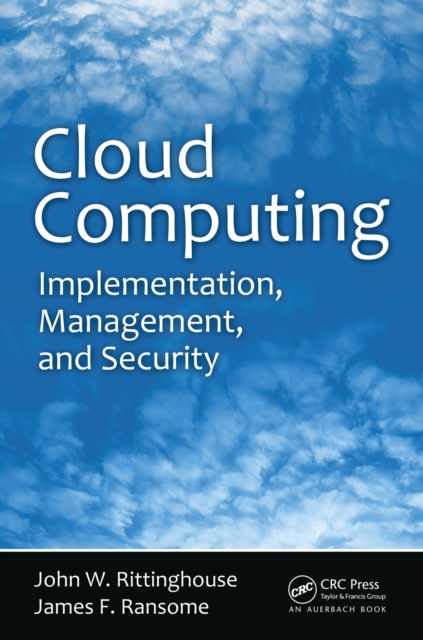
Cloud Computing
This book provides an understanding of what cloud computing really means, explores how disruptive it may become in the future, and examines its advantages and disadvantages. It discusses how new technologies, such as virtualization, played a huge role in the growth and acceptance of cloud computing. It also describes different types of cloud services, illustrates how to build a cloud network, and presents common standards for application development, messaging, and security. The authors cover the legal and philosophical issues that must be addressed to properly protect user data and mitigate corporate liability and examine the successes of several cloud computing vendors.
eBook

Game changers : the story of Venus and Serena Williams
\"Venus and Serena Williams. Two peas in a pod. Best friends. Sisters ... [This is] the inspirational story of two tennis legends who were fierce competitors on the courts, but close sisters above all\"--Amazon.com.
Book
Core Software Security
Introducing users to existing software development life cycle (SDLC) models, this book explains their weakness and shows how to build security practices into these models. After working with Fortune 500 companies, the authors have often seen examples of a breakdown in SDLC practices. They supply a realistic look at how to best apply available Secure Software Development Lifecycle (SSDLC) models. e. The text proposes improvements in applying these models to the software code. Case studies from Linux, Apache, and web applications walk readers through examples of how to implement improved practices.
eBook

Just a lucky so and so : the story of Louis Armstrong
A picture-book biography of Louis Armstrong, who \"has been called the most important improviser in the history of jazz. Although his New Orleans neighborhood was poor in nearly everything else, it was rich in superb music. Young Louis took it all in, especially the cornet blowing of Joe 'King' Oliver\"-- Provided by publisher.
Book

Research Methodology for Social Sciences
Research Methodology for Social Sciences provides guidelines for designing and conducting evidence-based research in social sciences and interdisciplinary studies using both qualitative and quantitative data. Blending the particularity of different sub-disciplines and interdisciplinary nature of social sciences, this volume:
Provides insights on epistemological issues and deliberates on debates over qualitative research methods;
Covers different aspects of qualitative research techniques and evidence-based research techniques, including survey design, choice of sample, construction of indices, statistical inferences and data analysis;
Discusses concepts, techniques and tools at different stages of research, beginning with the design of field surveys to collect raw data and then analyse it using statistical and econometric methods.
With illustrations, examples and a reader-friendly approach, this volume will serve as a key reference material for compulsory research methodology courses at doctoral levels across different disciplines, such as economics, sociology, women’s studies, education, anthropology, political science, international relations, philosophy, history and business management. This volume will also be indispensable for postgraduate courses dealing with quantitative techniques and data analysis.
eBook