
Catalogue Search | MBRL


Are you sure you want to remove the book from the shelf?

{{itemTitle}}
77
result(s) for
"Rao, Arathi"
Sort by:
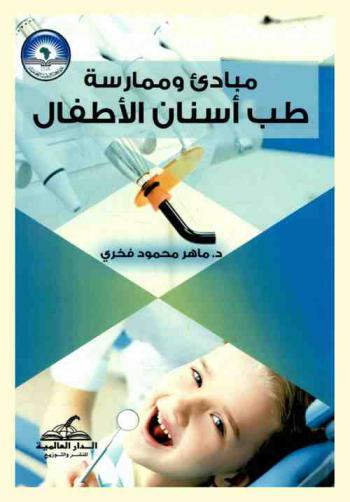
مبادئ وممارسة طب أسنان الأطفال
يتناول كتاب (مبادئ وممارسة طب أسنان الأطفال) والذي قام بتأليفه (الأستاذ الدكتور آرثي راو) في حوالي (103) صفحة من القطع المتوسط موضوع (طب أسنان الأطفال) حيث أنه يشتمل على المعالجات الخاصة لكل أمراض الأسنان والفم والفكين عند الأطفال من الولادة وحتى المراهقة، ويوجد جميع أنواع مشاكل الأسنان عند الأطفال وكيفيه معالجتها إنه حقا كتاب يستحق القراءة في طب أسنان الأطفال.
Book

Intervening infant and young child feeding among Indian tribes – a scoping review
In India, 40.2%, 23.1%, and 39.4% children below five years amongst the 104 million Scheduled Tribes (STs) are stunted, wasted, and underweight, respectively. Although optimal infant and young child feeding (IYCF) practices can substantially improve nutrition in early life, they are highly influenced by cultural beliefs, social exclusion, and sociodemography, notably in STs, necessitating culturally and contextually tailored interventions. This scoping review aimed to map the existing interventions designed to enhance IYCF among Indian STs.
Search was conducted on PubMed (NCBI), Embase (Elsevier), Web of Science (Clarivate), and CINAHL (EBSCO) using search strings built and modified using keywords such as 'India', 'tribe', and 'infant and young child feeding'. Google Scholar search and citation search were also conducted. The final search was conducted on 27 July 2024. Two-stage screening was conducted on Rayyan software, a screening tool.
Out of 1387 results retrieved, 26 articles were included in this review. Citation search and grey literature provided 22 interventions. Overall, interventions varied from traditional face-to-face counselling to the use of audiovisual aids, such as videos and short films. They were delivered at various levels, including individual, interpersonal, organizational, and community. Mothers, fathers, grandmothers, and community members were targeted with holistic interventions that delivered key messages not only on IYCF in silos, but also on education, rights, marriage, reproductive health, maternal health, water, hygiene, sanitation, and agriculture. Interventions often focused on community participation, responsive interventions, and intersectoral convergence.
This review revealed that interventions aimed at improving IYCF among Indian STs predominantly employed a holistic approach, fostered community participation, leveraged existing local platforms and utilized linguistically tailored audiovisual aids. However, a few gaps persisted in active family involvement, motivation and incentivization of community members to serve as facilitators, and regular attendance of the target population during implementation. This highlights the need to focus on sustaining these interventions and scaling them.
Journal Article

Recommendations for maternal mental health policy in India
Mental illnesses are a serious concern in India where every seventh person suffers from mental health problems—with women more affected than men. While the burden of perinatal mental illnesses grows, India lacks exclusive policies to address it. The COVID-19 pandemic has had an impact on routine antenatal care and institutional deliveries and has also affected the mental health of pregnant women and mothers. We evaluated existing policies. Policy options were evaluated against criteria like cost–benefit analysis, administrative feasibility, human resources, and equity along with the intended and unintended consequences. We propose three policy options: (1) strengthening and focused implementation of the existing national mental health program (NMHP), (2) integrating mental health in the ongoing Reproductive, Maternal, Newborn, Child and Adolescent Health Program, and (3) including a ‘maternal’ component in NMHP. We offered policy recommendations to fill the gap in addressing the maternal mental health challenge in India.
Journal Article

A qualitative study on the experiences of caregivers on menstrual management of adolescent girls with developmental disabilities in selected special schools of Karveer Taluka, Maharashtra
Background
Adolescent Girls with Developmental Disabilities (AGDD) face unique challenges in menstruation management, requiring care and support from both informal and formal caregivers. Limited research has explored the experiences of these caregivers in managing AGDD’s menstrual health, particularly in this study setting.
Objective
This study seeks to explore the experiences and perspectives of the informal and formal caregivers on the menstruation management of adolescent girls with developmental disabilities in selected special schools in Karveer Taluka, Maharashtra.
Methods
A qualitative study was conducted among informal caregivers (family members) and formal caregivers (special school staff) of those AGDD, who were aged 10–19 years, had attained menarche, and were attending three selected special schools of Karveer Taluka, Maharashtra, India. In-depth interviews (IDI), in the local language, Marathi, using an IDI guide developed based on a conceptual framework, were conducted among 14 informal and 13 formal caregivers. Interviews were audio-recorded with consent and transcribed verbatim. A thematic analysis using deductive and inductive approaches was carried out using MAXQDA software. Some codes and themes were deductively generated from the interview guide/conceptual framework, and others were generated inductively from the data. The transcripts were coded line by line and later grouped under relevant categories. Categories were grouped into subthemes, and broader themes were derived from the subthemes. The themes were interpreted and analyzed, and appropriate conclusions were drawn.
Results
Four deductive and one inductive theme were generated: The deductive themes are challenges faced by informal caregivers in managing menstruation of AGDD, patterns of menstrual acceptance and behavioural changes among AGDD, long-term concerns of the informal caregivers and perspectives on menstrual management, and recommendations given by the informal and formal caregivers for supporting AGDD. The inductive theme generated is the role of formal caregivers in training AGDD in menstruation management.
Conclusion
The study underscores the critical role of informal and formal caregivers and their challenges in managing AGDD’s menstrual health, highlighting the need for targeted training and support programs.
Journal Article

Maleic acid as a root canal irrigant- a scoping review
Background
Root canal treatment (RCT) requires thorough removal of the smear layer to ensure proper sealing, reduce microbial contamination, and enhance treatment success. Chelating agents such as ethylenediaminetetraacetic acid (EDTA) are widely used, but they show limitations, especially in the apical third. Maleic acid (MA), a mild organic acid with low pH, has been proposed as a promising alternative due to its superior demineralising and adhesive-enhancing properties.
Aim
To evaluate the role of MA in root canal therapy, with emphasis on smear layer removal, antimicrobial efficacy, dentin-related effects, and interactions with dental materials.
Methods
The review followed PRISMA-ScR 2018 guidelines and Arksey and O’Malley’s six-stage framework. A comprehensive search of PubMed, Scopus, Embase, and Web of Science was conducted up to October 2024. Study eligibility was defined using the PICO framework: (P) human teeth, dentin slices, bacterial cultures, and dental material specimens studied; (I) maleic acid as a root canal irrigant; (C) comparisons with EDTA, sodium hypochlorite, citric acid, and newer chelators; (O) outcomes including smear layer removal, growth factor release, effects on dental materials, antimicrobial efficacy, dentin mineral content, physical and mechanical properties, and bond strength. 71 studies were included.
Results
7% MA was highly effective in smear layer removal, particularly in the apical third, surpassing 17% EDTA and other irrigants. MA enhanced dentin wettability, sealer penetration, and push-out bond strength, and showed superior efficacy in removing calcium hydroxide and intracanal medicaments. It also promoted growth factor release, supporting regenerative potential. While antimicrobial activity was moderate alone, it improved significantly when combined with chlorhexidine or cetrimide. However, MA reduced dentin microhardness and mineral content and negatively impacted calcium silicate–based materials such as mineral trioxide aggregate and Biodentine.
Conclusion
7% MA is a potent root canal irrigant with consistent superiority in apical smear layer removal and unique advantages in adhesion and regeneration. Its demineralising effects highlight the need for controlled application, with shorter conditioning times (1–3 min) optimising outcomes while minimising risks. Overall, MA represents a promising, less cytotoxic alternative to EDTA, but standardised clinical protocols and rigorous in vivo validation are essential for its safe integration into endodontic practice.
Journal Article

Palliative and end-of-life care practices for critically ill patients and their families in a peri-intensive care setting: A protocol for an umbrella review
This umbrella review will summarize palliative and end-of-life care practices in peri-intensive care settings by reviewing systematic reviews in intensive care unit (ICU) settings. Evidence suggests that integrating palliative care into ICU management, initiating conversations about care goals, and providing psychological and emotional support can significantly enhance patient and family outcomes.
The Joanna Briggs Institute (JBI) methodology for umbrella reviews will be followed. The search will be carried out from inception until 30 September 2023 in the following databases: Cochrane Library, SCOPUS, Web of Science, CINAHL Complete, Medline, EMBASE, and PsycINFO. Two reviewers will independently conduct screening, data extraction, and quality assessment, and to resolve conflicts, adding a third reviewer will facilitate the consensus-building process. The quality assessment will be carried out using the JBI Critical Appraisal Checklist. The review findings will be reported per the guidelines outlined in the Preferred Reporting Items for Overviews of Reviews statement.
This umbrella review seeks to inform future research and practice in critical care medicine, helping to ensure that end-of-life care interventions are optimized to meet the needs of critically ill patients and their families.
Journal Article
Investigating feasibility of 2021 WHO protocol for cervical cancer screening in underscreened populations: PREvention and SCReening Innovation Project Toward Elimination of Cervical Cancer (PRESCRIP-TEC)
Background
High-risk human papillomavirus (hrHPV) testing has been recommended by the World Health Organization as the primary screening test in cervical screening programs. The option of self-sampling for this screening method can potentially increase women’s participation. Designing screening programs to implement this method among underscreened populations will require contextualized evidence.
Methods
PREvention and SCReening Innovation Project Toward Elimination of Cervical Cancer (PRESCRIP-TEC) will use a multi-method approach to investigate the feasibility of implementing a cervical cancer screening strategy with hrHPV self-testing as the primary screening test in Bangladesh, India, Slovak Republic and Uganda. The primary outcomes of study include uptake and coverage of the screening program and adherence to follow-up. These outcomes will be evaluated through a pre-post quasi-experimental study design. Secondary objectives of the study include the analysis of client-related factors and health system factors related to cervical cancer screening, a validation study of an artificial intelligence decision support system and an economic evaluation of the screening strategy.
Discussion
PRESCRIP-TEC aims to provide evidence regarding hrHPV self-testing and the World Health Organization’s recommendations for cervical cancer screening in a variety of settings, targeting vulnerable groups. The main quantitative findings of the project related to the impact on uptake and coverage of screening will be complemented by qualitative analyses of various determinants of successful implementation of screening. The study will also provide decision-makers with insights into economic aspects of implementing hrHPV self-testing, as well as evaluate the feasibility of using artificial intelligence for task-shifting in visual inspection with acetic acid.
Trial registration
ClinicalTrials.gov,
NCT05234112
. Registered 10 February 2022
Journal Article
Associations of parenting stress with coping strategies, dental fear, and behaviour during dental treatment in school-aged children: a cross-sectional study
Background
Parenting stress can affect coping strategies and behaviour problems among children in nondental settings.
Objective
To evaluate the associations of parenting stress with children’s coping strategies, dental fear, and behaviour during dental treatment in school-aged children.
Methods
This cross-sectional study included
n
= 168 children aged 8–12 years who required dental treatment under local anaesthesia. The accompanying parents completed the Parental Stress Scale (PSS), and the children completed the Dental Coping Questionnaire (DCQ) and the Children’s Fear Survey Schedule-Dental Subscale (CFSS-DS) prior to the start of the treatment procedure. The behaviour of the children was evaluated during their treatment period using Frankl’s behaviour rating scale. The associations of parenting stress with the measured parameters were analysed via chi-square test, Spearman’s correlation, Kruskal‒Wallis test, Mann‒Whitney U test, and generalised linear model, with statistical significance set at
p
≤ 0.05.
Results
No significant correlation between the PSS score and the percentage frequency of use of destructive, external, and internal coping strategies was detected. There was no significant difference in the PSS scores of parents between children who had no clinical dental fear (CFDSS score < 32), borderline dental fear (CFSS-DS score 32–38) and clinical dental fear (CFSS-DS score ≥ 39) or between children with uncooperative (Frankl scores 1 and 2) and cooperative behaviour (Frankl scores 3 and 4). No significant associations between PSS scores and the study variables were detected via the generalised linear model.
Conclusion
Parenting stress does not significantly influence children’s utilisation of coping strategies, dental fear or behavioural responses during dental procedures among children aged 8–12 years.
Journal Article

Adverse cardiovascular outcomes associated with proton pump inhibitor use after percutaneous coronary intervention: a systematic review and meta-analysis
Background
Proton pump inhibitors (PPIs) are commonly prescribed for gastroprotection in patients undergoing percutaneous coronary intervention (PCI), who are at increased risk of gastrointestinal bleeding due to antiplatelet therapy. However, emerging evidence suggests that PPIs may adversely impact cardiovascular outcomes. This systematic review and meta-analysis sought to assess the relationship between using PPIs and cardiovascular outcomes in patients following PCI.
Methods
We searched various databases up to March 15, 2024, for observational studies and randomized controlled trials (RCTs) assessing the cardiovascular effects of PPIs in PCI patients. Data were extracted on study characteristics, patient demographics, PPI use, and cardiovascular outcomes. The Newcastle-Ottawa Scale and Cochrane Risk of Bias Tool 2 assessed study quality. Meta-analyses were conducted using a random-effects model using R software version 4.3.
Results
A total of 21 studies involving diverse populations and study designs were included. Observational studies suggested a moderate increase in risk for composite cardiovascular diseases (CVD), myocardial infarction (MI), and major adverse cardiac events (MACE) associated with PPI use, with pooled hazard ratios (HRs) of 1.20 (95% CI: 1.093–1.308) for CVD, 1.186 (95% CI: 1.069–1.303) for MI, and 1.155 (95% CI: 1.001–1.309) for MACE. However, RCTs showed no significant link between PPI therapy and negative cardiovascular events (Relative Risk: 1.016, 95% CI: 0.878–1.175). Substantial heterogeneity was observed among observational studies but not RCTs.
Conclusion
The findings indicate that while observational studies suggest a potential risk of adverse cardiovascular events with post-PCI use of PPI, RCTs do not support this association. Further large-scale, high-quality studies are required to understand the cardiovascular implications of individual PPIs better and optimize patient management post-PCI. This analysis shows the complexity of PPI use in patients with coronary artery diseases and the necessity to balance gastroprotective benefits against potential cardiovascular risks.
Journal Article

Artificial intelligence and visual inspection in cervical cancer screening
IntroductionVisual inspection with acetic acid is limited by subjectivity and a lack of skilled human resource. A decision support system based on artificial intelligence could address these limitations. We conducted a diagnostic study to assess the diagnostic performance using visual inspection with acetic acid under magnification of healthcare workers, experts, and an artificial intelligence algorithm.MethodsA total of 22 healthcare workers, 9 gynecologists/experts in visual inspection with acetic acid, and the algorithm assessed a set of 83 images from existing datasets with expert consensus as the reference. Their diagnostic performance was determined by analyzing sensitivity, specificity, and area under the curve, and intra- and inter-observer agreement was measured using Fleiss kappa values.ResultsSensitivity, specificity, and area under the curve were, respectively, 80.4%, 80.5%, and 0.80 (95% CI 0.70 to 0.90) for the healthcare workers, 81.6%, 93.5%, and 0.93 (95% CI 0.87 to 1.00) for the experts, and 80.0%, 83.3%, and 0.84 (95% CI 0.75 to 0.93) for the algorithm. Kappa values for the healthcare workers, experts, and algorithm were 0.45, 0.68, and 0.63, respectively.ConclusionThis study enabled simultaneous assessment and demonstrated that expert consensus can be an alternative to histopathology to establish a reference standard for further training of healthcare workers and the artificial intelligence algorithm to improve diagnostic accuracy.
Journal Article