
Catalogue Search | MBRL


Are you sure you want to remove the book from the shelf?

{{itemTitle}}
2
result(s) for
"Reesman, Bryan, author"
Sort by:

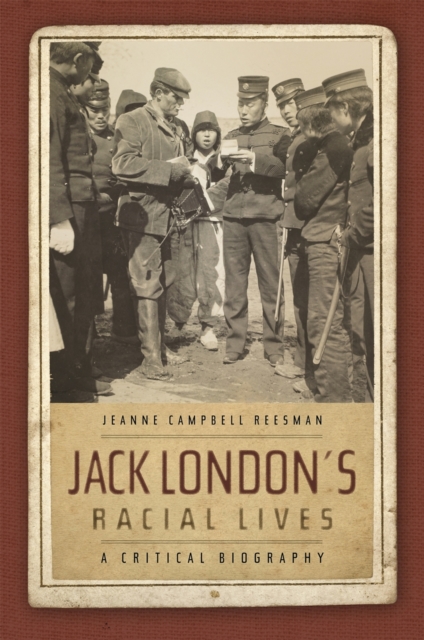
Jack London's Racial Lives
Jack London (1876-1916), known for his naturalistic and mythic tales, remains among the most popular and influential American writers in the world. Jack London's Racial Lives offers the first full study of the enormously important issue of race in London's life and diverse works, whether set in the Klondike, Hawaii, or the South Seas or during the Russo-Japanese War, the Jack Johnson world heavyweight bouts, or the Mexican Revolution. Jeanne Campbell Reesman explores his choices of genre by analyzing racial content and purpose and judges his literary artistry against a standard of racial tolerance. Although he promoted white superiority in novels and nonfiction, London sharply satirized racism and meaningfully portrayed racial others-most often as protagonists-in his short fiction. Why the disparity? For London, racial and class identity were intertwined: his formation as an artist began with the mixed \"heritage\" of his family. His mother taught him racism, but he learned something different from his African American foster mother, Virginia Prentiss. Childhood poverty, shifting racial allegiances, and a \"psychology of want\" helped construct the many \"houses\" of race and identity he imagined. Reesman also examines London's socialism, his study of Darwin and Jung, and the illnesses he suffered in the South Seas. With new readings of The Call of the Wild, Martin Eden, and many other works, such as the explosive Pacific stories, Reesman reveals that London employed many of the same literary tropes of race used by African American writers of his period: the slave narrative, double-consciousness, the tragic mulatto, and ethnic diaspora. Hawaii seemed to inspire his most memorable visions of a common humanity.
eBook