
Catalogue Search | MBRL


Are you sure you want to remove the book from the shelf?

{{itemTitle}}
4
result(s) for
"Roberts, Nick editor"
Sort by:
48 HOURS ; Maximum you'll work if Blair loses out to MEPs
MEPs voted 378 to 262 to scrap a system which allows employees to opt out of the EU's Working Time Directive. Tony Woodley, head of the Transport and General Workers Union, added: \"The opt-out harms health and safety, family life and productivity of workers. MEPs have done the right thing for British workers who have been put under unacceptable pressure to sign away their rights in the past by employers.\" Labour MEPs defied Mr [Tony Blair], who supports the opt-out clause won by ex-PM John Major 12 years ago, by joining forces with European socialists.
Newspaper Article

Alain Delon : style, stardom and masculinity
\"The first book-length English-language academic study of iconic French actor Alain Delon, whose mass appeal, impact and stardom reached across cultures and continents\"-- Provided by publisher.
Book
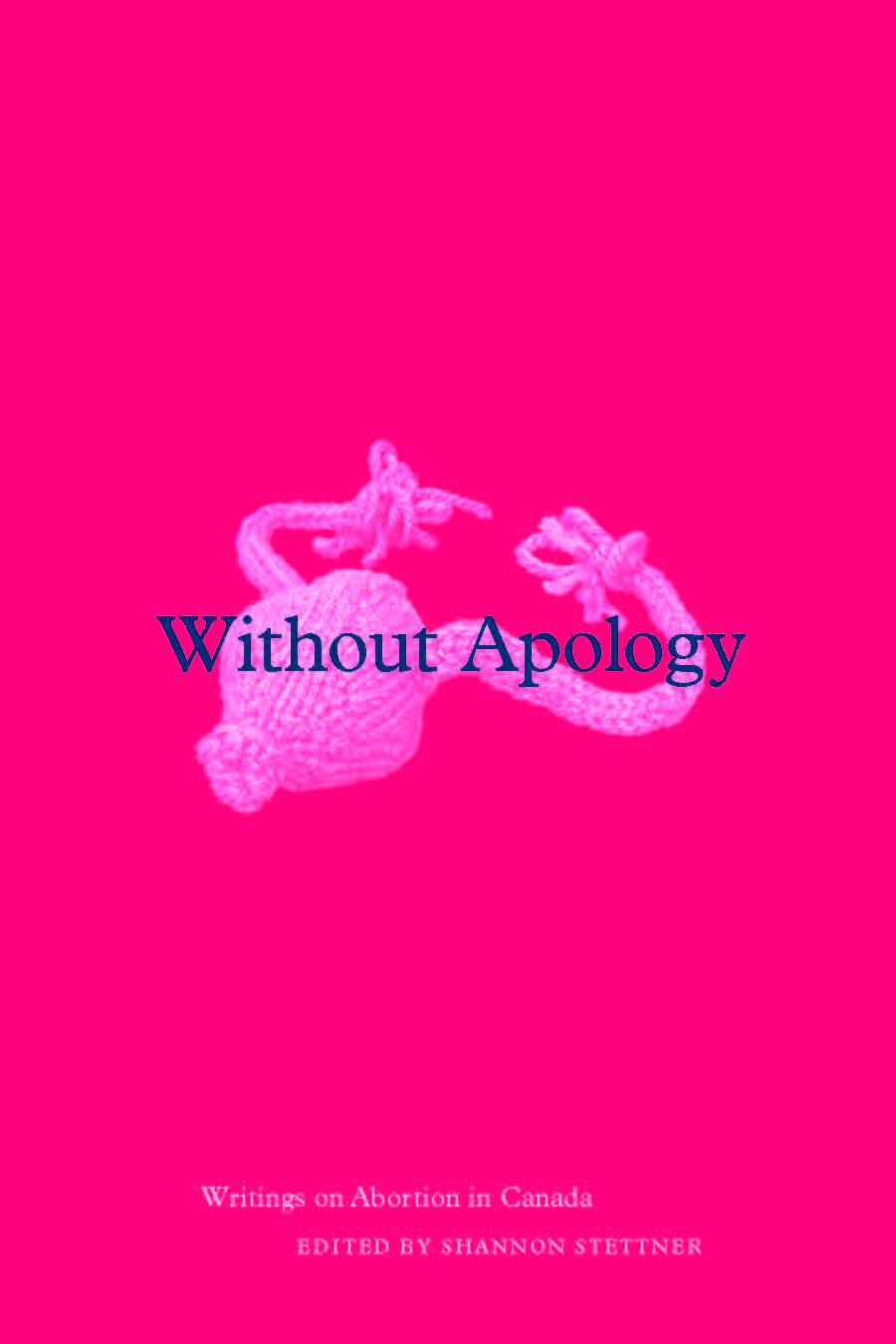
Without Apology: Writings on Abortion in Canada
Until the late 1960s, the authorities on abortion were for the most part men—politicians, clergy, lawyers, physicians, all of whom had an interest in regulating women’s bodies. Even today, when we hear women speak publicly about abortion, the voices are usually those of the leaders of women’s and abortion rights organizations, women who hold political office, and, on occasion, female physicians. We also hear quite frequently from spokeswomen for anti-abortion groups. Rarely, however, do we hear the voices of ordinary women—women whose lives have been in some way touched by abortion. Their thoughts typically owe more to human circumstance than to ideology, and without them, we run the risk of thinking and talking about the issue of abortion only in the abstract. Without Apology seeks to address this issue by gathering the voices of activists, feminists, and scholars as well as abortion providers and clinic support staff alongside the stories of women whose experience with abortion is more personal. With the particular aim of moving beyond the polarizing rhetoric that has characterized the issue of abortion and reproductive justice for so long, Without Apology is an engrossing and arresting account that will promote both reflection and discussion.
eBook