
Catalogue Search | MBRL


Are you sure you want to remove the book from the shelf?

{{itemTitle}}
56
result(s) for
"Rubchak, Marian J."
Sort by:
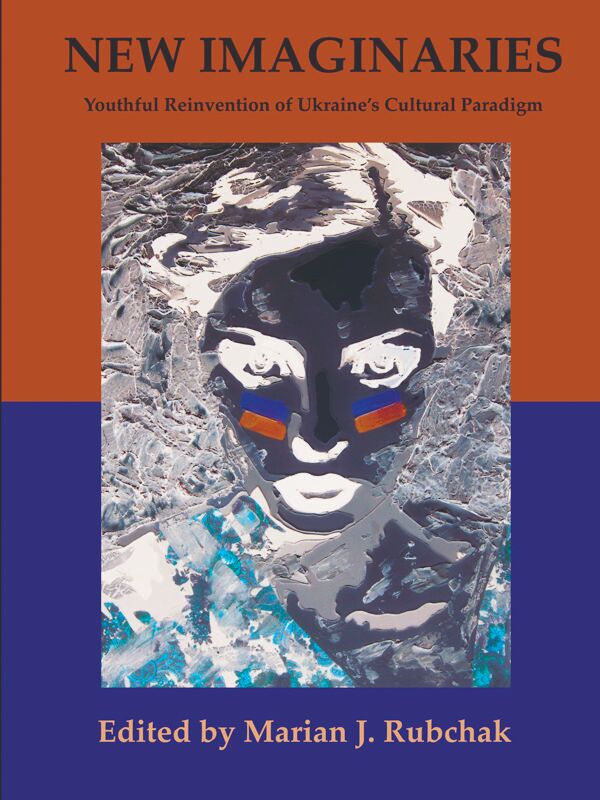
New imaginaries
Having been spared the constraints imposed on intellectual discourse by the totalitarian regime of the past, young Ukrainian scholars now engage with many Western ideological theories and practices in an atmosphere of intellectual freedom and uncensored scholarship. Displacing the Soviet legacy of prescribed thought and practices, this volume's female contributors have infused their work with Western elements, although vestiges of Soviet-style ideas, research methodology, and writing linger. The result is the articulation of a \"New Imaginaries\" - neither Soviet nor Western - that offers a unique approach to the study of gender by presenting a portrait of Ukrainian society as seen through the eyes of a new generation of feminist scholars.
eBook
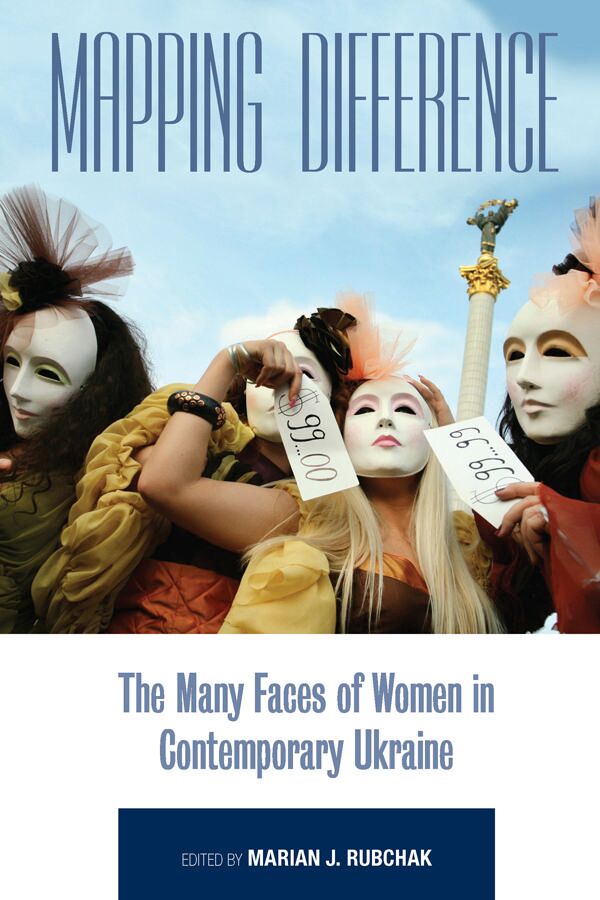
Mapping difference
Drawn from various disciplines and a broad spectrum of research interests, these essays reflect on the challenging issues confronting women in Ukraine today. The contributors are an interdisciplinary, transnational group of scholars from gender studies, feminist theory, history, anthropology, sociology, women's studies, and literature. Among the issues they address are: the impact of migration, education, early socialization of gender roles, the role of the media in perpetuating and shaping negative stereotypes, the gendered nature of language, women and the media, literature by women, and local appropriation of gender and feminist theory. Each author offers a fresh and unique perspective on the current process of survival strategies and postcommunist identity reconstruction among Ukrainian women in their current climate of patriarchalism.
eBook

ukraine's ancient matriarch as a topos in constructing a feminine identity
In 1991, Ukrainian independence opened an important theoretical channel for debating the status of its women. The people's collective memory of an ancient matriarchy generated a neo-matriarchal mythology which has been transformed into a delusional ideology that legitimizes female subordination, in the name of her alleged empowerment. Fieldwork in Ukraine - annual visits, including travel from one end of the country to another in official capacities, and many extended stays in Ukraine, as a scholar, researcher, educator and participant in key events, provided opportunities for exchanging views with countless people from many walks of life throughout the country. Participation in a host of programs -television 'specials' on gender, seminars, retreats, workshops and conferences, designed to raise the consciousness of women and men alike -provided an array of opportunities to observe at first hand the way that today's women construct individual identity. Extensive research in the press (many runs of daily newspapers, including Den', in Kyiv, and Vysoky Zamok in Lviv, and women's journals such as the widely read Zhinka, among others) added further insights. Television viewing, popular publications collected habitually during my numerous visits to Ukraine, copies of documents contributed by my Ukrainian friends and colleagues, outdoor advertising, posters and intimate gatherings at the homes of likeminded women, all played a part in the formation of my impressions of Ukrainian women's inferior status. In this paper I use my findings to explore the conflicting discourses on women's alleged empowerment, and the essentialist constraints on their self-realization, together with measures adopted to date on changing gender stereotypes and promoting equal rights and opportunities.
Journal Article


Discourse of Continuity and Change
Ukraineʹs transition from socialism to a market-driven society began in 1991. On 24 August of that year the country was on the cusp of an epiphany – its successful declaration of independence. Sitting in our dining room was Pavlo Movchan, a poet with a history of dissidence in the Soviet Union, and one of a series of our house guests from Ukraine. As we listened in disbelief to this stunning news item on public radio, he suddenly leapt to his feet and exclaimed excitedly: ʹI am an author of that declaration!ʹ
The actual transitional process had been set in motion
Book Chapter
Turning Oppression into Opportunity
In their introductory chapter toLiving Gender under Communism, Janet Johnson and Jean Robinson note that the Soviet era had witnessed gender, which was “simultaneously promoted in the rhetoric on motherhood and denied in the rhetoric on the ‘woman question’ and women’s equality” (2007).¹ There are parallels to be drawn here between Soviet discourse and that of today’s Ukraine. Much of the latter’s rhetoric on women projects the image of an empoweredberehynia(guardian) as progenitor, custodian of family values, and national identity,² whereas women’s true equality remains contested.
Notwithstanding such correlations between then and now, significant differences also remain
Book Chapter
