
Catalogue Search | MBRL


Are you sure you want to remove the book from the shelf?

{{itemTitle}}
22,283
result(s) for
"Sa, M"
Sort by:
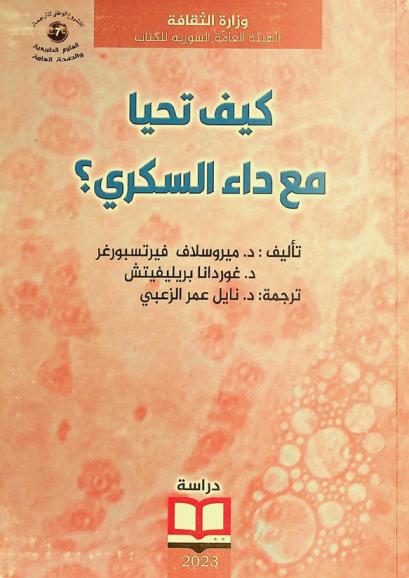
كيف تحيا مع داء السكري
يحتوي هذا الكتاب على المعلومات الأساسية حول مرض السكري، وشرحا مستفيضا للاختلاطات الحادة والمزمنة وطرق الوقاية منها مع عرض النظام الحمية الغذائية حسب الجمعية الأمريكية لداء السكري ومبادئ ممارسة النشاط البدني للفئات العمرية كلها، وكذلك علاقة داء السكري بموضوع الزواج والحمل ومهنة قيادة السيارات فالمريض أولا وآخرا هو المعني بمرضه وضبطه والسيطرة عليه، يليه الأسرة والمجتمع ككل...
Book

The politics of the great brain race: public policy and international student recruitment in Australia, Canada, England and the USA
As the number of globally mobile students has expanded, governments are assumed to be consistently and intentionally competing for talent, in what has been called a \"great brain race\". While the notion of competition has become dominant, there is little evidence on longterm policy dynamics in this field, not only across jurisdictions but also over time. We seek to address this gap in this paper through a longitudinal analysis of the politics and public policies impacting international students in four major recruiting countries—Australia, Canada, England and the USA. Through this comparative analysis of the period 2000 to 2016, we demonstrate that international student numbers across the jurisdictions have grown steadily but that this appears to be decoupled from political and policy changes. We also discuss how \"internationalization\" initiatives provide an insufficient policy umbrella for policy action on the recruitment and retention of international students. Public policy impacting international students spans multiple government agencies or ministries, encompassing different policy fields. This requires greater policy coordination, which remains elusive for the most part.
Journal Article

Comprehensive proteolytic profiling of Aedes aegypti mosquito midgut extracts: Unraveling the blood meal protein digestion system
To sustain the gonotrophic cycle, the Aedes aegypti mosquito must acquire a blood meal from a human or other vertebrate host. However, in the process of blood feeding, the mosquito may facilitate the transmission of several bloodborne viral pathogens ( e . g ., dengue, Zika, and chikungunya). The blood meal is essential as it contains proteins that are digested into polypeptides and amino acid nutrients that are eventually used for egg production. These proteins are digested by several midgut proteolytic enzymes. As such, the female mosquito’s reliance on blood may serve as a potential target for vector and viral transmission control. However, this strategy may prove to be challenging since midgut proteolytic activity is a complex process dependent on several exo- and endo-proteases. Therefore, to understand the complexity of Ae . aegypti blood meal digestion, we used Multiplex Substrate Profiling by Mass Spectrometry (MSP-MS) to generate global proteolytic profiles of sugar- and blood-fed midgut tissue extracts, along with substrate profiles of recombinantly expressed midgut proteases. Our results reveal a shift from high exoproteolytic activity in sugar-fed mosquitoes to an expressive increase in endoproteolytic activity in blood-fed mosquitoes. This approach allowed for the identification of 146 cleaved peptide bonds (by the combined 6 h and 24 h blood-fed samples) in the MSP-MS substrate library, and of these 146, 99 (68%) were cleaved by the five recombinant proteases evaluated. These reveal the individual contribution of each recombinant midgut protease to the overall blood meal digestion process of the Ae . aegypti mosquito. Further, our molecular docking simulations support the substrate specificity of each recombinant protease. Therefore, the present study provides key information of midgut proteases and the blood meal digestion process in mosquitoes, which may be exploited for the development of potential inhibitor targets for vector and viral transmission control strategies.
Journal Article

Interleukin-22 mediates early host defense against attaching and effacing bacterial pathogens
Infections by attaching and effacing (A/E) bacterial pathogens, such as
Escherichia coli
O157:H7, pose a serious threat to public health. Using a mouse A/E pathogen,
Citrobacter rodentium
, we show that interleukin-22 (IL-22) has a crucial role in the early phase of host defense against
C. rodentium
. Infection of IL-22 knockout mice results in increased intestinal epithelial damage, systemic bacterial burden and mortality. We also find that IL-23 is required for the early induction of IL-22 during
C. rodentium
infection, and adaptive immunity is not essential for the protective role of IL-22 in this model. Instead, IL-22 is required for the direct induction of the Reg family of antimicrobial proteins, including RegIIIβ and RegIIIγ, in colonic epithelial cells. Exogenous mouse or human RegIIIγ substantially improves survival of IL-22 knockout mice after
C. rodentium
infection. Together, our data identify a new innate immune function for IL-22 in regulating early defense mechanisms against A/E bacterial pathogens.
Journal Article

Bone Marrow Is a Major Parasite Reservoir in Plasmodium vivax Infection
Plasmodium vivax causes heavy burdens of disease across malarious regions worldwide. Mature P. vivax asexual and transmissive gametocyte stages occur in the blood circulation, and it is often assumed that accumulation/sequestration in tissues is not an important phase in their development. Here, we present a systematic study of P. vivax stage distributions in infected tissues of nonhuman primate (NHP) malaria models as well as in blood from human infections. In a comparative analysis of the transcriptomes of P. vivax and Plasmodium falciparum blood-stage parasites, we found a conserved cascade of stage-specific gene expression despite the greatly different gametocyte maturity times of these two species. Using this knowledge, we validated a set of conserved asexual- and gametocyte-stage markers both by quantitative real-time PCR and by antibody assays of peripheral blood samples from infected patients and NHP ( Aotus sp.). Histological analyses of P. vivax parasites in organs of 13 infected NHP ( Aotus and Saimiri species) demonstrated a major fraction of immature gametocytes in the parenchyma of the bone marrow, while asexual schizont forms were enriched to a somewhat lesser extent in this region of the bone marrow as well as in sinusoids of the liver. These findings suggest that the bone marrow is an important reservoir for gametocyte development and proliferation of malaria parasites. IMPORTANCE Plasmodium vivax malaria continues to cause major public health burdens worldwide. Yet, significant knowledge gaps in the basic biology and epidemiology of P. vivax malaria remain, largely due to limited available tools for research and diagnostics. Here, we present a systematic examination of tissue sequestration during P. vivax infection. Studies of nonhuman primates and malaria patients revealed enrichment of developing sexual stages (gametocytes) and mature replicative stages (schizonts) in the bone marrow and liver, relative to those present in peripheral blood. Identification of the bone marrow as a major P. vivax tissue reservoir has important implications for parasite diagnosis and treatment. Plasmodium vivax malaria continues to cause major public health burdens worldwide. Yet, significant knowledge gaps in the basic biology and epidemiology of P. vivax malaria remain, largely due to limited available tools for research and diagnostics. Here, we present a systematic examination of tissue sequestration during P. vivax infection. Studies of nonhuman primates and malaria patients revealed enrichment of developing sexual stages (gametocytes) and mature replicative stages (schizonts) in the bone marrow and liver, relative to those present in peripheral blood. Identification of the bone marrow as a major P. vivax tissue reservoir has important implications for parasite diagnosis and treatment.
Journal Article

A common DNA deletion altering the 3’UTR of mdr1 is associated with reduced mefloquine susceptibility in P. vivax parasites from Cambodian patients
Artemisinin-combination therapies (ACTs) are now recommended for the treatment of uncomplicated malaria caused by
Plasmodium vivax
, the parasite responsible for the majority of malaria infections outside of Africa. We sequence the genomes of 206
P. vivax
parasites collected from Cambodian malaria patients and show that more than 80% of them carry a DNA deletion located immediately downstream of the multidrug resistance 1 gene (
mdr1
) protein-coding sequence. This 837 bp deletion overlaps with a different deletion present at low frequency in South American isolates, suggesting a functional role despite not altering the coding sequence of
mdr1
. Using RNA sequencing, we show that these deletions alter the transcripts expressed from
mdr1
and result in mRNAs with different 3’ untranslated regions. In Cambodian isolates, the deletion was significantly associated with a higher level of
mdr1
mRNA, a lower ex vivo susceptibility to mefloquine, and increased in frequency in Cambodia since the introduction of mefloquine as ACT partner drug. Overall, these findings indicate that a common deletion of a non-coding sequence affects the transcription, stability, or translation of
mdr1
in
P. vivax
parasites and could mediate reduced susceptibility to antimalarial drug(s) currently used for the treatment of uncomplicated vivax malaria.
Plasmodium vivax
is responsible for most malaria cases outside Africa and drug resistance is a concern. The authors use genomic approaches to identify a deletion near the MDR1 gene that affects its expression and is associated with lower mefloquine susceptibility.
Journal Article

Notes on the conservation threats to the western lesser spot-nosed monkey (Cercopithecus petaurista buettikoferi) in the Bijagós Archipelago (Guinea-Bissau, West Africa)
The lesser spot-nosed monkey (Cercopithecus petaurista) is a widely distributed West African guenon, which is generally considered less vulnerable to local extinctions than many sympatric primate species. Guinea-Bissau harbours the westernmost populations of the species, which is thought to be very rare or even extinct on the mainland, but to have putative populations on some islands of the Bijagós Archipelago. However, due to a lack of regional studies, baseline information on these insular populations is missing. We collected baseline data on the anthropogenic activities that possibly threaten the long-term conservation of this primate by using non-systematic ethnographic methodologies. The species was reported to be decreasing in number or rare by locals on two of the islands, and we identified two main conservation threats to it: generalised habitat loss/degradation, and hunting. While subsistence hunting has been recorded before in these areas, we report, to the best of our knowledge for the first time for these islands, the presence of a semi-organised commercial wild meat trade. The carcasses of western lesser spot-nosed monkeys were observed being stored and shipped from seaports to be sold at urban hubs (Bissau and Bubaque Island). The effect of commercial trade on the species could be severe, considering the small, naturally occurring, carrying capacities typical of insular ecosystems. The results of this study highlight the importance of understanding the leading social drivers of wild meat hunting of lesser spot-nosed monkeys on the Bijagós Archipelago, and the need to conduct baseline research on these insular populations, for which qualitative and quantitative methods could be combined.
Journal Article
Epigenetically conferred ring-stage survival in Plasmodium falciparum against artemisinin treatment
Artemisinin and its semisynthetic derivatives (ART) are crucial medicines in artemisinin-based combination therapies worldwide. Despite ART’s efficacy, small proportions of young intraerythrocytic ring stage parasites can survive the drug’s short half-life, and dormant forms can cause recrudescence if not cleared by partner drugs. Certain mutations in the Kelch propeller region of
P. falciparum
protein (PfK13) are linked to the higher ring-stage survival (RS), which above 1% can be a feature of ‘artemisinin partial resistance’. Emerging evidence indicates epigenetic modulators may contribute to RS. Here, we report systematic evaluations of all putative histone acetyltransferases (HATs) of
P. falciparum
in 30 culture-adapted field isolates and 43 subcloned field isolates. Only PfMYST shows a full association with RS phenotype modulations. Knockdown experiments confirm the linkage of
Pfmyst
expression to these modulations, with evidence of altered metabolic processes. Through single-cell RNA sequencing, ChIP-seq analysis, and CRISPR/cas9 genetic manipulation, PfMYST-targeted RS-related genes have been identified and functionally validated. Multi-omics analysis indicates significant interplay of PfMYST and PfK13 mechanisms in RS. PfMYST epigenetic modulation extends to other antimalarials, including amodiaquine, pyrimethamine, chloroquine, and pyronaridine. Collectively, our findings provide important information on the epigenetic regulatory mechanism of
P. falciparum
RS after pulses of ART and other antimalarials.
Despite the efficacy of artemisinin against
Plasmodium falciparum
, young intraerythrocytic ring stage parasites may survive and persist in a dormant state. In this study, Yu et al elucidate the epigenetic regulatory mechanism of artemisinin resistance in
P. falciparum
ring-stage survival.
Journal Article
A rare mutation in UNC5C predisposes to late-onset Alzheimer's disease and increases neuronal cell death
Mutations in UNC5C are identified in individuals with late-onset Alzheimer's disease and increase susceptibility of neurons to cell death.
We have identified a rare coding mutation, T835M (rs137875858), in the
UNC5C
netrin receptor gene that segregated with disease in an autosomal dominant pattern in two families enriched for late-onset Alzheimer's disease and that was associated with disease across four large case-control cohorts (odds ratio = 2.15,
P
meta
= 0.0095). T835M alters a conserved residue in the hinge region of UNC5C, and
in vitro
studies demonstrate that this mutation leads to increased cell death in human HEK293T cells and in rodent neurons. Furthermore, neurons expressing T835M UNC5C are more susceptible to cell death from multiple neurotoxic stimuli, including β-amyloid (Aβ), glutamate and staurosporine. On the basis of these data and the enriched hippocampal expression of
UNC5C
in the adult nervous system, we propose that one possible mechanism in which T835M
UNC5C
contributes to the risk of Alzheimer's disease is by increasing susceptibility to neuronal cell death, particularly in vulnerable regions of the Alzheimer's disease brain.
Journal Article

Characterization of Plant Growth-Promoting Traits of Bacteria Isolated from Larval Guts of Diamondback Moth Plutella xylostella (Lepidoptera: Plutellidae)
Eight bacterial isolates from the larval guts of Diamondback moths (Plutella xylostella) were tested for their plant growth-promoting (PGP) traits and effects on early plant growth. All of the strains tested positive for nitrogen fixation and indole 3-acetic acid (IAA) and salicylic acid production but negative for hydrogen cyanide and pectinase production. In addition, five of the isolates exhibited significant levels of tricalcium phosphate and zinc oxide solubilization; six isolates were able to oxidize sulfur in growth media; and four isolates tested positive for chitinase and β-1,3-glucanase activities. Based on their IAA production, six strains including four that were 1-aminocyclopropane-1-carboxylate (ACC) deaminase positive and two that were ACC deaminase negative were tested for PGP activity on the early growth of canola and tomato seeds under gnotobiotic conditions. Acinetobacter sp. PSGB04 significantly increased root length (41%), seedling vigor, and dry biomass (30%) of the canola test plants, whereas Pseudomonas sp. PRGB06 inhibited the mycelial growth of Botrytis cinerea, Colletotrichum coccodes, C. gleospoiroides, Rhizoctonia solani, and Sclerotia sclerotiorum under in vitro conditions. A significant increase, greater than that of the control, was also noted for growth parameters of the tomato test plants when the seeds were treated with PRGB06. Therefore, the results of the present study suggest that bacteria associated with insect larval guts possess PGP traits and positively influence plant growth. Therefore, insect gut bacteria as effective PGP agents represent an unexplored niche and may broaden the spectrum of beneficial bacteria available for crop production.
Journal Article