
Catalogue Search | MBRL


Are you sure you want to remove the book from the shelf?

{{itemTitle}}
101
result(s) for
"Sajoo, Amyn B"
Sort by:


The Fog of Extremism: Governance, Identity, and Minstrels of Exclusion
An insistent focus on extremism and radicalization with regard to current Islamist trends masks the failures of pluralist citizenship, amid a larger crisis of identity. Whether in Muslim-majority societies or in the Euro-North American diaspora, “Islam” and “politics” are touted as explaining patterns of severe violence by state/non-state actors. Neither category accounts more than superficially for the complexities at hand, which revolve around exclusionary models of identity, faith and civil society. Successful narratives of inclusive citizenship depend on key markers outside of modernist secular orthodoxy. Theologies of inclusion are vital in fostering pluralist civic identities, mindful of the ascendance of puritanical-legalist theologies of exclusion as a salient facet of public cultures. Multiple surveys reveal the depth of exclusivist conservatism in diverse Muslim societies. These stances not only undermine civil society as a locus for engendering pluralist identities, but also undergird the militant trends that dominate the headlines. Targeting militants is often essential—yet is frequently accompanied by the willful alienation of Muslim citizens even within liberal democracies, and a growing “official” sectarianism among Muslim-majority polities. Convergent pluralisms of faith and civic identity are a vital antidote to the fog that obscures the roots as well as the implications of today’s extremist trends.
Journal Article

The Shari°a : history, ethics and law
Why is the term shari'a - the mention of which conjures up images of a politicised religion in many parts of the world - understood in the ways that it is today? For Muslims and non-Muslims alike, much is read into this term, often with scant regard for its historical, cultural or theological underpinnings. This book offers an accessible account of the ideals and realities of the shari'a.
Book
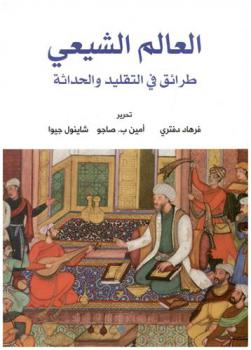
العالم الشيعي : طرائق في التقليد والحداثة
تعبر الجماعات المسلمة الشيعية المتنوعة في العالم عن عقيدتها بطرق متعددة، لكنها تتفق على تبجيلها آل البيت، أي عائلة النبي، وكان الإسلام الشيعي الذي تبنى أخلاقيات التعددية طوال أربعة عشر قرنا قد أفسح المجال لظهور تقاليد وممارسات متنوعة عبر مشاهد جغرافية وثقافية مختلفة. يناقش الكتاب القواعد والأسس التاريخية والمعرفية الخاصة بالإسلام الشيعي، ويتناول شخصيات ساهمت في تكوينه وكذلك تقاليده الفكرية والشرعية والأخلاقية، وممارساته الولائية، وفنونه وعمارته، وآدابه وموقفه من السينما والموسيقا، وتعابيره وتجاربه في مجال الحداثة. فهو كتاب شامل يسعى إلى توفير فهم أفضل لطريقة الجماعات الشيعية في النظر إلى نفسها وصياغة معتقداتها، كما يزودنا بمنظور بانورامي للروايات الغنية التي دونت وعملت على تشكيل العالم الاجتماعي والأخلاقي للمسلمين الشيعة حول العالم.
BOOK


Minority Rights in the Middle East , by Joshua Castellino and Kathleen A. Cavanaugh
One can scarcely imagine a more acute test of democratic governance today--in the Middle East or beyond, including Europe--than the issue of minority citizenship. Indeed, this volume is part of a series of works from Oxford University Press on the legal and political aspects of minority rights at large. Over a decade ago, Will Kymlicka and Wayne Norman noted a stubborn general tendency to separate matters of democratic citizenship from minority equity, despite the resurgence of interest in both.This is all the more vexing given the shared challenges: the public role of religion, globalized mobility, and the growing demands for communal autonomy, among others. In the Middle East, as elsewhere, these trends and their implications need to be understood in their unfolding historical context; the alternative is to reduce complexity to slogans such as 'the clash of civilizations' and 'Islam is the problem'. It is salutary that the authors of Minority Rights in the Middle East are alert not only to Orientalist pitfalls but also to the need for a wider ethical critique of the normative frameworks at hand, regional and global alike.
Journal Article