
Catalogue Search | MBRL


Are you sure you want to remove the book from the shelf?

{{itemTitle}}
36
result(s) for
"Salt, Alison"
Sort by:
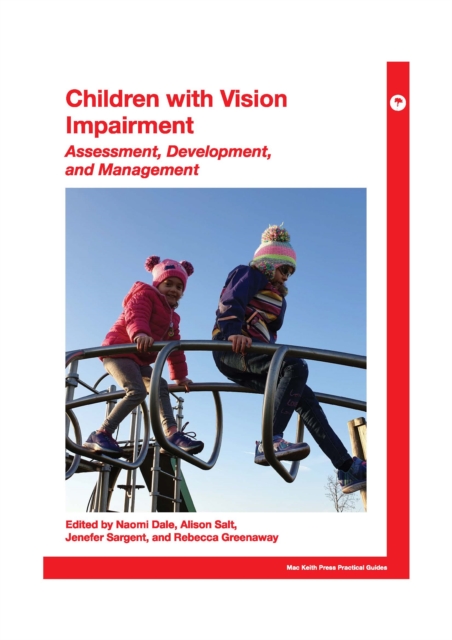
Children With Vision Impairment: Assessment, Development and Management
Vision impairment is a long-term condition caused by disorders of the eye, optic nerve, and brain. Using evidence-based knowledge, theory, and research, this book provides practical guidance for practitioners who are involved in the care and management of children with long-term vision impairment and disability. The book is divided into four sections following the ICF-CY model: (1) eye disorders, vision and brain, (2) child development and learning from birth to older childhood, (3) habilitation, orientation, reading and assistive technologies and (4) social relationships and participation in everyday contexts. International team of experts present up to date vision and neuroscience research and assessment and management approaches. Multidisciplinary approaches for improving function, learning and activity in children with vision impairment. New approach to childhood vision impairment with a focus on assessment, function and participation. Covering all vision disorders and levels of vision impairment, including eye disorders, cerebral vision impairment and complex disability. A useful resource for developmental/and neurodisability paediatricians and clinicians including clinical, neuro- and educational psychologists, occupational therapists, speech and language therapists, physiotherapists; paediatric ophthalmologists and eye clinic staff; mobility/habilitation specialists, educationalists of vision impairment and others; community family support and social care workers.
eBook

Prenatal Treatment for Serious Neurological Sequelae of Congenital Toxoplasmosis: An Observational Prospective Cohort Study
The effectiveness of prenatal treatment to prevent serious neurological sequelae (SNSD) of congenital toxoplasmosis is not known.
Congenital toxoplasmosis was prospectively identified by universal prenatal or neonatal screening in 14 European centres and children were followed for a median of 4 years. We evaluated determinants of postnatal death or SNSD defined by one or more of functional neurological abnormalities, severe bilateral visual impairment, or pregnancy termination for confirmed congenital toxoplasmosis. Two-thirds of the cohort received prenatal treatment (189/293; 65%). 23/293 (8%) fetuses developed SNSD of which nine were pregnancy terminations. Prenatal treatment reduced the risk of SNSD. The odds ratio for prenatal treatment, adjusted for gestational age at maternal seroconversion, was 0.24 (95% Bayesian credible intervals 0.07-0.71). This effect was robust to most sensitivity analyses. The number of infected fetuses needed to be treated to prevent one case of SNSD was three (95% Bayesian credible intervals 2-15) after maternal seroconversion at 10 weeks, and 18 (9-75) at 30 weeks of gestation. Pyrimethamine-sulphonamide treatment did not reduce SNSD compared with spiramycin alone (adjusted odds ratio 0.78, 0.21-2.95). The proportion of live-born infants with intracranial lesions detected postnatally who developed SNSD was 31.0% (17.0%-38.1%).
The finding that prenatal treatment reduced the risk of SNSD in infected fetuses should be interpreted with caution because of the low number of SNSD cases and uncertainty about the timing of maternal seroconversion. As these are observational data, policy decisions about screening require further evidence from a randomized trial of prenatal screening and from cost-effectiveness analyses that take into account the incidence and prevalence of maternal infection. Please see later in the article for the Editors' Summary.
Journal Article
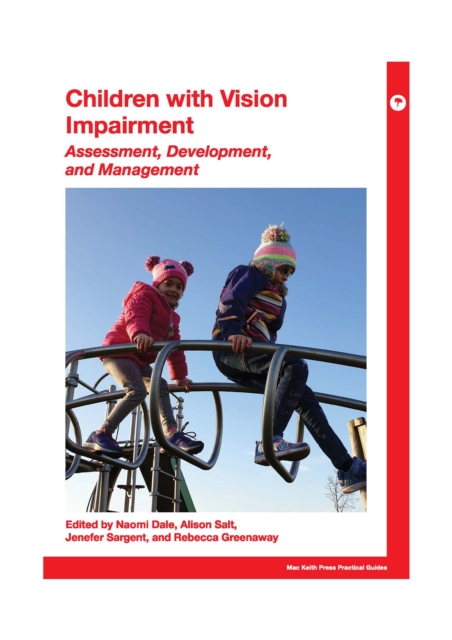
Children with Vision Impairment: Assessment, Development, and Management
Vision impairment is a long-term condition caused by disorders of the eye, optic nerve, and brain. Using evidence-based knowledge, theory, and research, this book provides practical guidance for practitioners who are involved in the care and management of children with long-term vision impairment and disability. The book is divided into four sections following the ICF-CY model: (1) eye disorders, vision and brain, (2) child development and learning from birth to older childhood, (3) habilitation, orientation, reading and assistive technologies and (4) social relationships and participation in everyday contexts. International team of experts present up to date vision and neuroscience research and assessment and management approaches. Multidisciplinary approaches for improving function, learning and activity in children with vision impairment. New approach to childhood vision impairment with a focus on assessment, function and participation. Covering all vision disorders and levels of vision impairment, including eye disorders, cerebral vision impairment and complex disability.
eBook

Vision Intervention for Seeing Impaired Babies: Learning through Enrichment (VISIBLE) – protocol of a feasibility pilot randomised controlled trial
IntroductionVisual impairment is reported to affect 40%–50% of children with cerebral palsy (CP). Vision difficulties in the context of rehabilitation are often under-recognised, under-treated and therefore under-studied, pointing to an urgent need for the development of evidence-based vision interventions for infants and toddlers with cerebral vision impairment (CVI). We present the protocol of a multisite pragmatic pilot randomised controlled trial (RCT) of feasibility, acceptability and preliminary efficacy of an early vision-awareness and parent-directed environmental enrichment programme for infants with or at risk of CP under 7 months corrected age (CA) with vision impairment.The main objective is to determine the feasibility and acceptability of the Vision Intervention for Seeing Impaired Babies: Learning through Enrichment (VISIBLE) intervention. We will estimate the preliminary effects of the programme on infants’ visual functions and early development, as compared with standard community-based care (SCC).Methods and analysisA two-group RCT will be conducted. Infants at 3–6 months at entry, with severe visual impairment and at high risk of CP, will be enrolled and randomised (n=16 per group) to receive the VISIBLE intervention compared to SCC. Randomisation will be completed through an independent automated process (Research Electronic Data Capture). VISIBLE intervention will be delivered by a therapist through home visits (90–120 min) once every 2 weeks. Completion of 10 visits (80% of the intervention target dose) within 6 months is required for adherence to the VISIBLE trial. Outcome will be assessed at 12 months CA. Visual function will be evaluated with the Infant Battery for Vision, motor outcomes with the Peabody Developmental Motor Scales, Second Edition. Developmental quotients, infant quality of life, parent well-being and parent-infant relationship will be also monitored through standardised tools.Ethics and disseminationThe enrolling sites have historically demonstrated rapid and effective translation of successful evidence-based interventions into routine clinical practice, as well as the dissemination of the findings through local, national and international scientific meetings.Trial registration numberACTRN12618000932268.
Journal Article

Social communication difficulties and autism spectrum disorder in young children with optic nerve hypoplasia and/or septo‐optic dysplasia
Aim The aim of this study was to study systematically social, communication, and repetitive/restrictive (SCRR) behavioural difficulties and clinical autism spectrum disorder (ASD) in children with optic nerve hypoplasia (ONH) and/or septo‐optic dysplasia (SOD), and to investigate the relationship between visual impairment, SCRR difficulties, ASD, and cognition. Method A case‐note study of clinic records from a specialist developmental vision service was completed. Standardized assessments of vision and development and clinician judgements about SCRR difficulties and clinical ASD were made by a multidisciplinary team. Results A total of 45 females and 38 males (mean age 3y 5mo; range 10mo–6y 10mo) with ONH or SOD and profound visual impairment (PVI) or severe visual impairment (SVI) were assessed. A total of 58% of children had at least one SCRR difficulty, and 31% had a clinical diagnosis of ASD. The prevalence of ASD was slightly higher in children with SOD than in children with ONH (36% vs 26%) also slightly more frequent in children with PVI than in children with SVI (36% vs 27%). The prevalence of SCRR difficulties was statistically higher in children with PVI than in children with SVI (p=0.003). Clinical ASD was most likely to be diagnosed between 2 years 4 months and 4 years 6 months. Development was significantly delayed in children with ASD compared with children without social communication difficulties (p=0.001). Interpretation Children with SVI or PVI are at risk of SCRR difficulties and clinical ASD. Children with ONH and/or SOD and visual impairment have a similar risk of developing clinical ASD as other visual impairment groups. However, ASD prevalence data from this study are a minimum estimate, as some young children may have developed ASD behaviours in later childhood. Developmental surveillance for children with ONH and/or SOD should continue until at least the age of 4 years 6 months.
Journal Article
From guidelines to practice: A retrospective clinical cohort study investigating implementation of the early detection guidelines for cerebral palsy in a state-wide early intervention service
ObjectivesTo report on knowledge translation strategies and outcomes from the implementation of the early detection guidelines for cerebral palsy (CP) in a state-wide tertiary early intervention (EI) service and investigate the impact of social determinants on clinical services.DesignRetrospective longitudinal cohort study.SettingThe Western Australia tertiary paediatric EI service.ParticipantsEI clinicians, consumers and children using the EI service.Outcome measuresKnowledge translation strategies including consumer perspectives, clinician training and Communities of Practice (CoP) guided implementation. We measured changes in referral number and age, delivery of early detection and intervention following the implementation of the guidelines. Exposure to adverse childhood experiences (ACEs), appointment non-attendance (DNA) rates, remoteness and socioeconomic quintiles were used to measure social determinants of health using negative binomial (Incidence Rate Ratios, IRR) and logistic regression (Odds Ratios, ORs).ResultsTen consumers participated in Focus Groups, 100 clinicians were trained and 22 clinicians established a monthly CoP. Referrals increased fourfold to 511 children. Corrected gestational age at referral decreased from a median of 16.1 to 5.1 months (p<0.001) and at first appointment from 18.8 to 6.8 months (p<0.001). Children living in social disadvantage had the highest DNA risk (quintile 1 vs 5: IRR 2.2, 95% CI 1.1 to 4.6, p=0.037). Children exposed to ACEs had higher odds of living in social disadvantage (quintile 1 vs 5, OR=3.8, 95% CI 1.4 to 10.0, p=0.007). No significant association was found between remoteness and DNA rate or ACE score.ConclusionsImplementation strategies reduced referral age and improved the delivery of early detection assessments. Further investigation of the association between social disadvantage, DNA risk and ACE score is required in the development of a state-wide early detection network.
Journal Article

Reduced Ventral Cingulum Integrity and Increased Behavioral Problems in Children with Isolated Optic Nerve Hypoplasia and Mild to Moderate or No Visual Impairment
To assess the prevalence of behavioral problems in children with isolated optic nerve hypoplasia, mild to moderate or no visual impairment, and no developmental delay. To identify white matter abnormalities that may provide neural correlates for any behavioral abnormalities identified.
Eleven children with isolated optic nerve hypoplasia (mean age 5.9 years) underwent behavioral assessment and brain diffusion tensor imaging, Twenty four controls with isolated short stature (mean age 6.4 years) underwent MRI, 11 of whom also completed behavioral assessments. Fractional anisotropy images were processed using tract-based spatial statistics. Partial correlation between ventral cingulum, corpus callosum and optic radiation fractional anisotropy, and child behavioral checklist scores (controlled for age at scan and sex) was performed.
Children with optic nerve hypoplasia had significantly higher scores on the child behavioral checklist (p<0.05) than controls (4 had scores in the clinically significant range). Ventral cingulum, corpus callosum and optic radiation fractional anisotropy were significantly reduced in children with optic nerve hypoplasia. Right ventral cingulum fractional anisotropy correlated with total and externalising child behavioral checklist scores (r = -0.52, p<0.02, r = -0.46, p<0.049 respectively). There were no significant correlations between left ventral cingulum, corpus callosum or optic radiation fractional anisotropy and behavioral scores.
Our findings suggest that children with optic nerve hypoplasia and mild to moderate or no visual impairment require behavioral assessment to determine the presence of clinically significant behavioral problems. Reduced structural integrity of the ventral cingulum correlated with behavioral scores, suggesting that these white matter abnormalities may be clinically significant. The presence of reduced fractional anisotropy in the optic radiations of children with mild to moderate or no visual impairment raises questions as to the pathogenesis of these changes which will need to be addressed by future studies.
Journal Article

Children with Vision Impairment
Vision impairment is a long-term condition caused by disorders of the eye, optic nerve, and brain. Using evidence-based knowledge, theory, and research, this book provides practical guidance for practitioners who are involved in the care and management of children with long-term vision impairment and disability.
eBook

Treatment of Neonatal Sepsis with Intravenous Immune Globulin
The potential role of IV immune globulin in the management of neonatal sepsis has been suggested by several retrospective studies. In this international study involving 3493 infants with sepsis, IV immune globulin was not found to have any clinical benefit.
Infection is a major cause of death in newborn infants.
1
Neonatal infection and inflammation are associated with serious complications, including brain damage and disability, particularly among preterm infants.
2
–
5
Polyvalent IgG immune globulin may help to prevent or treat infection, particularly in preterm infants, who have low serum IgG levels. Possible immunomodulatory mechanisms include enhancement of opsonic activity, complement activation, antibody-dependent cytotoxicity, improvement in neutrophil chemiluminescence,
6
–
8
and down-regulation of inflammatory cytokines.
9
The potential benefits of intravenous immune globulin are supported by findings in several randomized trials. In a systematic review of 19 trials involving more than 5000 preterm or . . .
Journal Article
\Behind the Closed Door\ : Educational Psychologists' Experiences and Views of Home-Educated Children with Special Educational Needs
This study considers the experiences and views of educational psychologists (EPs) of those children and young people who have special educational needs and who are being home-educated. The literature review highlights that there is limited research on this area and that there is an increasing population of children becoming home-educated, especially those with special educational needs, given the difficulties presented by a school education. Educational psychologists, nevertheless, have limited experience and knowledge of working with home-educated children. A qualitative method which employed semi-structured interviews conducted with nine educational psychologists with experience of working with home-educated children with special educational needs was utilised. Reflexive thematic analysis (Braun & Clarke, 2019) was used to consider the data. The findings from these data showed that educational psychologists viewed the home education of children with special educational needs as a 'last resort' because there were no other options, as opposed to a positive and deliberate choice of education. The findings also revealed that a number of factors were at play in prompting parents' decision to home educate, including their child's special educational needs not being met at school, the lack of inclusive practice in schools, and the impact of changes in educational practice due to government policy such as a movement towards a traded model of educational psychology service and the Special Educational Needs (SEN) Code of Practice (Department for Education (DfE), 2014). Educational psychologists constructed home education as an inferior form of education in terms of what, where and how it happened and compared it to the preferred and established educational setting of the school. The school, as an educational establishment was constructed as the preferred option and natural domain of educational psychologists. The findings from this study have a number of implications for EP practice, including a consideration of how a school-dominated role is impacting the profession, how trading has affected those children with no commissioner (i.e., the 'unsupported'), and how the failure of schools to address the needs of children with special educational needs leads to their becoming home-educated due to having no other option.
Dissertation