
Catalogue Search | MBRL


Are you sure you want to remove the book from the shelf?

{{itemTitle}}
457
result(s) for
"Sanders, Karen"
Sort by:


British government communication during the 2020 COVID-19 pandemic: learning from high reliability organizations
This article examines British government communication during the COVID-19 pandemic, assessing how it aligns to the communicational characteristics of high reliability organizations (HROs). The central proposition of the study is that HROs' organizational culture enables and cultivates effective, ethical communication that, in turn, enhances the trust and engagement of stakeholders and citizens. A thematic content analysis of the UK prime minister's public communication about the new coronavirus outbreak, examining televised statements, news briefings and prime minister's questions from January to June 2020, shows that the British prime minister's initial approach to communication about the virus was complacent about the country's preparedness and capacity to control the disease's spread. No errors were admitted in any of the government's subsequent handling of the pandemic nor were mistakes acknowledged in the actions of those in or advising government. These approaches to communication are at odds with those adopted by HROs. The study suggests that lessons can be learnt from HRO practices for communication in high risk environments. They are also applicable to organizations that have experienced historical difficulties both in admitting errors and in fostering a transparent, responsive communicational culture.
Journal Article
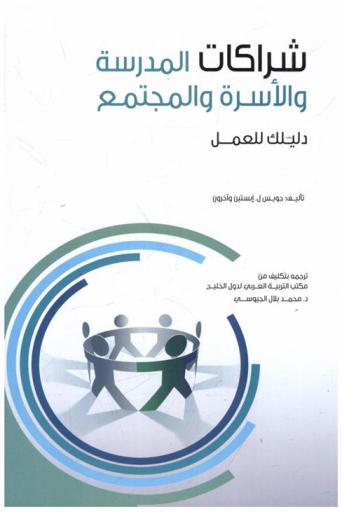
شراكات المدرسة والأسرة والمجتمع : دليلك للعمل =
كتاب ثري وعملي يشجعك على البدء في بناء شراكة فاعلة بين المدرسة والأسرة والمجتمع ويقدم لك مختلف الأدوات التي تحتاجها لتبدأ ستجد نموذجا مميزا لمساعدة كل مدرسة على بناء خطة العام للشراكة مع الأسر والمجتمع بالتفصيل ستحصل على خطوات تكوين فرق الشراكة في داخل المدرسة ستحصل على نماذج جاهزة للعمل أيضا قوائم بأنشطة هادفة يمكن تنفيذها وأثبتت جدواها عبر دراسات.
BOOK

Validation of a multiplex flow immunoassay for detection of IgG antibodies against SARS-CoV-2 in dried blood spots
Dried blood spots (DBS) are an established specimen type for clinical testing given their low cost, ease of collection and storage, and convenient shipping capabilities through the postal system. These attributes are complementary to the expansion of SARS-CoV-2 serologic testing, which may be used to inform community seroprevalence rates.
The Luminex xMAP SARS-CoV-2 Multi-Antigen assay utilizes magnetic beads labeled with three viral antigens (nucleocapsid [NC], receptor binding domain [RBD], spike S1 subunit) to detect anti-viral IgG-class antibodies, and has Food and Drug Administration (FDA) Emergency Use Authorization (EUA) for use in serum and plasma. This assay was modified for use with DBS and validated against paired sera tested by one of two reference assays: the Roche Diagnostics Elecsys anti-SARS-CoV-2 ECLIA or the Euroimmun anti-SARS-CoV-2 IgG ELISA.
159 paired DBS and serum specimens analyzed using the modified Luminex xMAP assay on DBS and the reference methods on serum showed an overall concordance of 96.9% (154/159). Use of multivariate pattern recognition software (CLIR) for post-analytical interpretation of the Luminex xMAP DBS assay results, instead of manufacturer provided interpretive thresholds, increased overall qualitative result concordance to 99.4% (158/159) between the modified Luminex xMAP DBS and reference results.
Use of DBS for detection of antibodies against SARS-CoV-2 provides comparable results to those obtained using serum. DBS concordance was improved with multivariate pattern recognition software (CLIR). We demonstrate that DBS are a reliable specimen type for SARS-CoV-2 antibody detection using the modified Luminex xMAP assay.
Journal Article

A Trial of a Shorter Regimen for Rifampin-Resistant Tuberculosis
Globally, there are more than 500,000 new infections with drug-resistant tuberculosis each year. In this trial involving patients with rifampin-resistant tuberculosis, a shorter, more intense course of treatment (9 to 11 months) was found to be noninferior to a standard 20-month regimen.
Journal Article

Combined androgen deprivation therapy and radiation therapy for locally advanced prostate cancer: a randomised, phase 3 trial
Whether the addition of radiation therapy (RT) improves overall survival in men with locally advanced prostate cancer managed with androgen deprivation therapy (ADT) is unclear. Our aim was to compare outcomes in such patients with locally advanced prostate cancer.
Patients with: locally advanced (T3 or T4) prostate cancer (n=1057); or organ-confined disease (T2) with either a prostate-specific antigen (PSA) concentration more than 40 ng/mL (n=119) or PSA concentration more than 20 ng/mL and a Gleason score of 8 or higher (n=25), were randomly assigned (done centrally with stratification and dynamic minimisation, not masked) to receive lifelong ADT and RT (65–69 Gy to the prostate and seminal vesicles, 45 Gy to the pelvic nodes). The primary endpoint was overall survival. The results presented here are of an interim analysis planned for when two-thirds of the events for the final analysis were recorded. All efficacy analyses were done by intention to treat and were based on data from all patients. This trial is registered at
controlledtrials.com as
ISRCTN24991896 and
Clinicaltrials.gov as
NCT00002633.
Between 1995 and 2005, 1205 patients were randomly assigned (602 in the ADT only group and 603 in the ADT and RT group); median follow-up was 6·0 years (IQR 4·4–8·0). At the time of analysis, a total of 320 patients had died, 175 in the ADT only group and 145 in the ADT and RT group. The addition of RT to ADT improved overall survival at 7 years (74%, 95% CI 70–78
vs 66%, 60–70; hazard ratio [HR] 0·77, 95% CI 0·61–0·98, p=0·033). Both toxicity and health-related quality-of-life results showed a small effect of RT on late gastrointestinal toxicity (rectal bleeding grade >3, three patients (0·5%) in the ADT only group, two (0·3%) in the ADT and RT group; diarrhoea grade >3, four patients (0·7%)
vs eight (1·3%); urinary toxicity grade >3, 14 patients (2·3%) in both groups).
The benefits of combined modality treatment—ADT and RT—should be discussed with all patients with locally advanced prostate cancer.
Canadian Cancer Society Research Institute, US National Cancer Institute, and UK Medical Research Council.
Journal Article

The role of stakeholder mapping and engagement in Mongolia during the implementation of the STREAM clinical trial for MDR-TB
Background
Clinical trials evaluating new regimens for multidrug-resistant tuberculosis (MDR-TB) are typically conducted in multiple countries because global registration of new TB drugs requires evaluation in diverse populations. The complexity of multi-site trials makes implementation challenging, especially in lower-resource settings, where the burden of MDR-TB is highest. Stakeholder engagement can improve trial implementation and outcomes. Here, we describe the Mongolia site’s stakeholder engagement during STREAM, a phase III clinical trial evaluating novel treatment regimens for MDR-TB.
Main body
We assessed our stakeholder engagement against the PCORI rubric. Engagement at all phases of the trial aligned well with the PCORI engagement principles of reciprocal relationships; co-learning; building partnerships; and transparency, honesty, and trust. In the planning phase, we formed a key partnership with a civil society organization to co-lead the trial, undertook stakeholder mapping, and developed an overall engagement strategy. During trial implementation, we undertook activities aimed at ensuring feasibility of the study, improving recruitment, ensuring viability of the study, and ensuring authenticity/value of stakeholder engagement. Activities, which included continuous communication with the national TB program to ensure referral of potential trial participants, implementation of a comprehensive community engagement (CE) program, delivery in collaboration with partners of psychosocial support for trial participants, capacity-building and knowledge sharing, regular communications on trial developments and progress, and community advisory board (CAB) participation in CE assessment, contributed to achieving a 98% retention rate and the highest participant recruitment across all STREAM trial sites. In the dissemination phase, CAB members worked together with the site and sponsor to ensure strategies and materials were tailored to stakeholders’ needs, including participants; communities; frontline healthworkers; and national-level stakeholders. Stakeholder participation in research and in improving routine TB care in the country has been sustained since completion of the trial.
Conclusions
Significant and sustainable gains can be made through stakeholder collaboration. We recommend that trial sites in lower-resourced settings take an expansive view of relevant stakeholders when planning engagement; undertake capacity-building and knowledge sharing; plan for long-term sustainability of CE; design engagement around specific objectives; tailor and optimize communication strategies; and design stakeholder engagement to involve key policy makers.
Trial registration
ISRCTN78372190 - Registration date is October 14, 2010 (Stage 1) and ISRCTN18148631 - Registration date is February 10, 2016 (Stage 2).
Journal Article


Adjuvant therapy with oral sodium clodronate in locally advanced and metastatic prostate cancer: long-term overall survival results from the MRC PR04 and PR05 randomised controlled trials
Bisphosphonates might modulate the development of symptomatic bone metastases in men with prostate cancer. The Medical Research Council (MRC) PR05 and PR04 randomised controlled trials assessed the use of sodium clodronate, an oral, first-generation bisphosphonate. We report the final analyses of long-term survival data with additional follow-up in both trials.
311 men with metastatic disease were recruited to PR05 between 1994 and 1998, and 508 men with non-metastatic disease were recruited to PR04 from 1994 to 1997. All men were treated according to the recruiting site's standard practice at the time: for metastatic disease, all men were starting or responding to long-term hormone therapy; for non-metastatic disease, most men had radiotherapy, hormone therapy, or both. Men were randomly assigned to take four tablets per day of sodium clodronate (2080 mg) or matching placebo for up to 3 years (metastatic disease) or 5 years (non-metastatic). Long-term overall survival was assessed on an intention-to-treat basis in all men at sites in England and Wales using data from the National Health Service Information Centre, which held data for 278 of 311 men in the PR05 trial and 471 of 508 men in the PR04 trial. These studies are registered
International Standardised Randomised Controlled Trials, numbers
ISRCTN38477744 (PR05) and ISRCTN61384873 (PR04).
Of the 278 men with metastatic disease, 258 (93%) were reported to have died. Evidence of a benefit for those with metastatic disease from use of sodium clodronate compared with placebo was seen in overall survival (hazard ratio [HR] 0·77, 95% CI 0·60–0·98; p=0·032). Of the 471 men with non-metastatic disease, 281 (60%) were reported to have died, with no evidence of improvement in overall survival with clodronate compared with placebo (HR 1·12, 0·89–1·42; p=0·94).
Long-term data from these trials show that a first-generation bisphosphonate, sodium clodronate, improves overall survival in men with metastatic prostate cancer who are starting hormone therapy, but there is no evidence of an effect in men with non-metastatic prostate cancer.
UK MRC; and an education grant and free drug from Roche Products Ltd.
Journal Article
Implementation challenges and lessons learned from the STREAM clinical trial—a survey of trial sites
Background
Design and implementation of multi-country clinical trials for multidrug-resistant tuberculosis (MDR-TB) are complex for several reasons, including trial duration, varying levels of experience and infrastructure across settings, and different regulatory requirements. STREAM was an MDR-TB clinical trial that recruited over 1000 participants. We documented challenges and best practices/lessons learned from the site perspective to improve implementation of future trials.
Methods
We conducted a voluntary survey of trial staff at all sites to obtain information on challenges encountered and best practices/lessons learned from implementation of the STREAM trial. Respondents were asked to identify substantive aspects of trial implementation from a list that included: trial administration, laboratory strengthening/infrastructure, pharmacy and supply chain management, community engagement, regulatory and ethics requirements, health economics, and other (respondent designated) about which a practical guide would be useful to improve future trial implementation. For each aspect of trial implementation selected, respondents were asked to report challenges and best practices/lessons learned during STREAM. Lastly, respondents were asked to list up to three things they would do differently when implementing future trials. Summary statistics were generated for quantitative data and thematic analysis was undertaken for qualitative data.
Results
Of 67 responses received from 13 of 15 sites, 47 (70%) were included in the analyses, after excluding duplicate or incomplete responses. Approximately half the respondents were investigators or trial coordinators. The top three aspects of trial implementation identified for a best practices/lessons learned practical guide to improve future trial implementation were: trial administration, community engagement, and laboratory strengthening/infrastructure. For both challenges and best practices/lessons learned, three common themes were identified across different aspects of trial implementation. Investment in capacity building and ongoing monitoring; investment in infrastructure and well-designed trial processes; and communication and coordination between staff and meaningful engagement of stakeholders were all thought to be critical to successful trial implementation.
Conclusions
Existing practices for clinical trial implementation should be reevaluated. Sponsors should consider the local context and the need to increase upfront investment in the cross-cutting thematic areas identified to improve trial implementation.
Journal Article