
Catalogue Search | MBRL


Are you sure you want to remove the book from the shelf?

{{itemTitle}}
77
result(s) for
"Selbin, Eric"
Sort by:


Decentering international relations
Seeks to confront, resist, and rewrite International Relations (IR), a heavily politicized field that is deeply centered in the North/West and privileges certain perspectives, pedagogies, and practices. This title invites the reader to participate in an experiment to decentre the North/West when we learn, study and do IR.
eBook


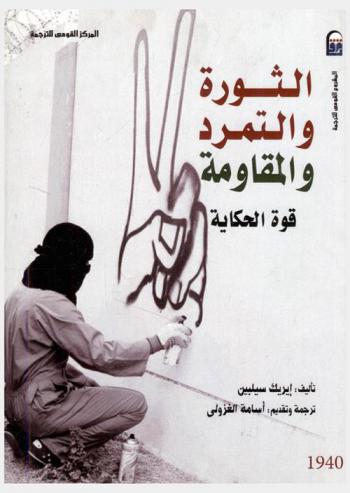
الثورة والتمرد والمقاومة : قوة الحكاية
يتحدث الكتاب من خلال 418 صفحة على مدار تسعة فصول عن وصف دقيق لمصطلحات التمرد والمقاومة، ثم يتحدث عن حكايا الثورة باستفاضة، يأتى الفصل الثانى بعنوان دفاعا عن الحكايا : الحكايا والتحول الاجتماعى، ثم الخرافة والذاكرة والمحاكاة فى الفصل الثالث، أما الفصل الرابع فيتحدث عن هبة الحواديت وأربع حكايات عن الثورة، ثم حكاية ثورات التحضر والمقرطة، حكاية الثورة الاجتماعية، حكاية ثورة الحرية والتحرر، ثورات الضائعين والمنسيين، والفصل التاسع عن حكايا تتكشف عن مقاومة وتمرد وثورة. يتحدث الكتاب عن الدور المهم الذى تلعبه الحكايات فى صنع أشكال المقاومة واستدامتها، وفى تفجير التمرد والثورات، هذه الحكايا الأربع هى حكاية ثورة التحضر وحكاية الثورة الاجتماعية وحكاية الحرية والتحرر، وحكاية الضائعين والمنسيين.وتمثل كل واحدة من هذه الحكايا محاولة للتأليف بين شعاب متناثرة وإن كان بينها من العناصر المشتركة ما يكفى لقراءتها على نحو مفيد، كطريقة تساعد الناس على إضفاء معنى على الماضى، وعلى تفسير الحاضر ووضع تصور عن المستقبل والتمكين له، ولا يقصد بهذه التوليفات أن تكون أنماطا مثالية ولا تناسب حالة ثورية بعينها أو عملية ثورية بعينها مع هذه الأنماط، فكثير من العمليات الثورية تجد نفسها فى عديد من الحكايا، ويتوقف ذلك على من يروى الحكاية، وأين يرويها ومتى ولمن.
BOOK

Revolution, Rebellion, Resistance
Why do revolutions happen? Decades of social science research have brought us little closer to understanding where, when and amongst whom they occur. This book argues that we need to look beyond the economic, political and social structural conditions to the thoughts and feelings of the people who make revolutions.
eBook

Conjugating the Cuban Revolution: It Mattered, It Matters, It Will Matter
If 50 years on it is a challenge to get a clear picture of the place of the process known as the Cuban Revolution, no event in that time has had more lasting impact on so many people in so many places. The Cuban Revolution mattered, matters, and will continue to matter. It enabled and enobled people around the world to stand up and struggle or renew struggles already under way, it continues to stand as a powerful testament to both social justice work and commitment in countries around the world, and it will provide a model—for what to do and not to do—for future actors in popular collective efforts as well as efforts to improve health care and education. The legacy of the Cuban Revolution, its premise and its promise, is deep and wide.
Journal Article

No Other Way Out: States and Revolutionary Movements, 1945–1991. By Jeff Goodwin. Cambridge: Cambridge University Press, 2001. 428p. $60.00 cloth, $23.00 paper
“Do we need yet another comparative study of revolutions?” (p. 5; emphasis in original), Jeff Goodwin asks in this eagerly (and long) anticipated and important new book, which is destined to influence scholars in several disciplines and fields. The answer, as this volume makes abundantly clear, is “yes,” and few will be disappointed with this well-written, accessible, and compelling volume, the most nuanced and sophisticated argument yet for the state-centered (but, pace Goodwin, not structuralist; see p. 53) approach, and worthy heir to Theda Skocpol's (1979) still paradigmatic States and Social Revolutions. But therein lies the rub: Rather than the first book of the (putative) emergent fourth generation of scholars of revolution(s), this is likely the last of the third generation. Goodwin concedes he has “largely moved beyond” (p. xvi) the perspective he articulates here, and he, along with John Foran, is one of the most likely suspects to produce the next paradigmatic statement on revolutions. This, then, would seem the third generation's crowning glory; given the long gestation period and the prolific Goodwin's many and impressive contributions to matters revolutionary, this is almost more a legend than a book.
Journal Article
