
Catalogue Search | MBRL


Are you sure you want to remove the book from the shelf?

{{itemTitle}}
322
result(s) for
"Shaw, Greg"
Sort by:

Hit refresh : the quest to rediscover Microsoft's soul and imagine a better future for everyone
Microsoft's CEO tells the inside story of the company's continuing transformation and offers his vision for the coming wave of intelligent technologies. He examines how people, organizations, and societies can and must transform, how they must 'hit refresh' in their persistent quest for new energy, new ideas, and continued relevance and renewal. Yet he feels strongly that one of our essential qualities -- empathy -- will become ever more valuable. Satya Nadella also discusses his childhood in India and how he learned to lead along the way. He shares his meditations as sitting CEO -- one who is mostly unknown following the brainy Bill Gates and energetic Steve Ballmer. He explains how the company rediscovered its soul -- transforming everything from its culture to its business partnerships to the fiercely competitive landscape of the industry itself. Nadella concludes by introducing an equation to restore digital trust, ethical design principles, and economic growth for everyone.
Book

Medicare and Medicaid
This guide helps readers understand the past, present, and future of America's Medicare and Medicaid programs, which provide health care services and medical coverage to millions of Americans across the USA. In the decades since President Lyndon B. Johnson signed legislation creating the Medicare and Medicaid health care programs in 1965, hundreds of millions of older and low-income Americans and people with disabilities have benefited. This book provides in-depth coverage of the origins, history, and evolution of both programs, as well as a guide to present-day problems, controversies, and reforms related to each of these programs. Readers will also benefit from a wide range of perspectives from scholars, advocates, critics, and beneficiaries on the goals and performances of Medicare and Medicaid over time.
eBook
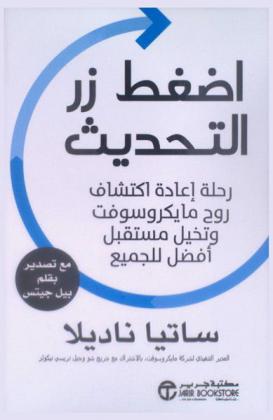
اضغط زر التحديث : رحلة إعادة اكتشاف روح مايكروسوفت وتخيل مستقبل أفضل للجميع
يرسم ساتيا ناديلا من خلال كتابه (اضغط زر التحديث : رحلة إعادة اكتشاف روح مايكروسوفت وتخيل مستقبل أفضل للجميع) والذي يقع في (266) صفحة من القطع المتوسط مسارا لتحقيق الاستفادة القصوى من الفرص التي توفرها التكنولوجيا أثناء مواجهة الأسئلة الصعبة. كما يقدم قصته الشخصية الرائعة، واقتباسات أدبية أكثر مما قد تتوقع، وبضعة دروس من لعبة الكريكيت التي يحبها.
Book

Kinematic and Injury Response of Reclined PMHS in Frontal Impacts
Frontal impacts with reclined occupants are rare but severe, and they are anticipated to become more common with the introduction of vehicles with automated driving capabilities. Computational and physical human surrogates are needed to design and evaluate injury countermeasures for reclined occupants, but the validity of such surrogates in a reclined posture is unknown. Experiments with post-mortem human subjects (PMHS) in a recline posture are needed both to define biofidelity targets for other surrogates and to describe the biomechanical response of reclined occupants in restrained frontal impacts. The goal of this study was to evaluate the kinematic and injury response of reclined PMHS in 30 g, 50 km/h frontal sled tests. Five midsize adult male PMHS were tested. A simplified semi-rigid seat with an anti-submarining pan and a non-production threepoint seatbelt (pre-tensioned, force-limited, seat-integrated) were used. Global motions and local accelerations of the head, pelvis, and multiple vertebrae were measured. Seat and seatbelt forces were also measured. Injuries were assessed via post-test dissection. The initial reclined posture aligned body regions (pelvis, lumbar spine, and ribcage) in a way that reduced the likelihood of effective restraint by the seat and seatbelt: the occupant's pelvis was initially rotated posteriorly, priming the occupant for submarining, and the lumbar spine was loaded in combined compression and bending due to the inertia of the upper torso during forward excursion. Coupled with the high restraining forces of the seat and seatbelt, the unfavorable kinematics resulted in injuries of the sacrum/coccyx (four of five PMHS injured), iliac wing (two of five PMHS injured), lumbar spine (three of five PMHS injured), and ribcage (all five PMHS suffered sternal fractures, and three of five PMHS suffered seven or more rib fractures). The kinematic and injury outcomes strongly motivate the development of injury criteria for the lumbar spine and pelvis, the inclusion of intrinsic variability (e.g., abdomen depth and pelvis shape) in computational simulations of frontal impacts with reclined occupants, and the adaptation of comprehensive restraint paradigms to predicted variability of occupant posture.
Journal Article

Rare primary prostate cancer presenting with testicular and hip pain
Thoracic CT and FDG-PET scans showed no evidence of metastatic disease. The case was discussed in a multidisciplinary treatment meeting where surgical resection followed by adjuvant external-beam radiotherapy treatment was deemed the best treatment strategy based on the histological tumour variant (synovial sarcoma). Rare aggressive tumour subtypes, which do not increase PSA levels, are difficult to diagnose and treat because they usually present late. [...]personalised treatments and multispecialty collaboration can yield improved functional and oncological results.
Journal Article

E-Consent—a guide to maintain recruitment in clinical trials during the COVID-19 pandemic
Background
The COVID-19 pandemic has posed daunting challenges when conducting clinical research. Adopting new technologies such as remote electronic consent (e-Consent) can help overcome them. However, guidelines for e-Consent implementation in ongoing clinical trials are currently lacking. The NeuroSAFE PROOF trial is a randomized clinical trial evaluating the role of frozen section analysis during RARP for prostate cancer. In response to the COVID-19 crisis, recruitment was halted, and a remote e-Consent solution was designed. The aim of this paper is to describe the process of implementation, impact on recruitment rate, and patients’ experience using e-Consent.
Methods
A substantial amendment of the protocol granted the creation of a remote e-Consent framework based on the REDCap environment, following the structure and content of the already approved paper consent form. Although e-Consent obviated the need for in-person meeting, there was nonetheless counselling sessions performed interactively online. This new pathway offered continuous support to patients through remote consultations. The whole process was judged to be compliant with regulatory requirements before implementation.
Results
Before the first recruitment suspension, NeuroSAFE PROOF was recruiting an average of 9 patients per month. After e-Consent implementation, 63 new patients (4/month) have been enrolled despite a second lockdown, none of whom would have been recruited using the old methods given restrictions on face-to-face consultations. Patients have given positive feedback on the use of the platform. Limited troubleshooting has been required after implementation.
Conclusion
Remote e-Consent-based recruitment was critical for the continuation of the NeuroSAFE PROOF trial during the COVID-19 pandemic. The described pathway complies with ethical and regulatory guidelines for informed consent, while minimizing face-to-face interactions that increase the risk of COVID-19 transmission. This guide will help researchers integrate e-Consent to ongoing or planned clinical trials while uncertainty about the course of the pandemic continues.
Trial registration
NeuroSAFE PROOF trial
NCT03317990
. Registered on 23 October 2017. Regional Ethics Committee reference 17/LO/1978.
Journal Article

Protocol for a prospective study evaluating circulating tumour cells status to predict radical prostatectomy treatment failure in localised prostate cancer patients (C-ProMeta-1)
Background
Treatment decisions in prostate cancer (PCa) rely on disease stratification between localised and metastatic stages, but current imaging staging technologies are not sensitive to micro-metastatic disease. Circulating tumour cells (CTCs) status is a promising tool in this regard. The Parsortix® CTC isolation system employs an epitope-independent approach based on cell size and deformability to increase the capture rate of CTCs. Here, we present a protocol for prospective evaluation of this method to predict post radical prostatectomy (RP) PCa cancer recurrence.
Methods
We plan to recruit 294 patients diagnosed with unfavourable intermediate, to high and very high-risk localised PCa. Exclusion criteria include synchronous cancer diagnosis or prior PCa treatment, including hormone therapy. RP is performed according to the standard of care. Two blood samples (20 ml) are collected before and again 3-months after RP. The clinical team are blinded to CTC results and the laboratory researchers are blinded to clinical information. Treatment failure is defined as a PSA ≥ 0.2 mg/ml, start of salvage treatment or imaging-proven metastatic lesions. The CTC analysis entails enumeration and RNA analysis of gene expression in captured CTCs. The primary outcome is the accuracy of CTC status to predict post-RP treatment failure at 4.5 years. Observed sensitivity, positive and negative predictive values will be reported. Specificity will be presented over time.
Discussion
CTC status may reflect the true potential for PCa metastasis and may predict clinical outcomes better than the current PCa progression risk grading systems. Therefore establishing a robust biomarker for predicting treatment failure in localized high-risk PCa would significantly enhance guidance in treatment decision-making, optimizing cure rates while minimizing unnecessary harm from overtreatment.
Trial registration
ISRCTN17332543.
Journal Article

Benzyl alcohol oxidation with Pd-Zn/TiO2: computational and experimental studies
Pd-Zn/TiO
2
catalysts containing 1 wt% total metal loading, but with different Pd to Zn ratios, were prepared using a modified impregnation method and tested in the solvent-free aerobic oxidation of benzyl alcohol. The catalyst with the higher Pd content exhibited an enhanced activity for benzyl alcohol oxidation. However, the selectivity to benzaldehyde was significantly improved with increasing presence of Zn. The effect of reduction temperature on catalyst activity was investigated for the catalyst having a Pd to Zn metal molar ratio of 9:1. It was found that lower reduction temperature leads to the formation of PdZn nanoparticles with a wide particle size distribution. In contrast, smaller PdZn particles were formed upon catalyst reduction at higher temperatures. Computational studies were performed to compare the adsorption energies of benzyl alcohol and the reaction products (benzaldehyde and toluene) on PdZn surfaces to understand the oxidation mechanism and further explain the correlation between the catalyst composition and its activity.
Journal Article

HES6 drives a critical AR transcriptional programme to induce castration‐resistant prostate cancer through activation of an E2F1‐mediated cell cycle network
Castrate‐resistant prostate cancer (CRPC) is poorly characterized and heterogeneous and while the androgen receptor (AR) is of singular importance, other factors such as c‐Myc and the E2F family also play a role in later stage disease. HES6 is a transcription co‐factor associated with stem cell characteristics in neural tissue. Here we show that HES6 is up‐regulated in aggressive human prostate cancer and drives castration‐resistant tumour growth in the absence of ligand binding by enhancing the transcriptional activity of the AR, which is preferentially directed to a regulatory network enriched for transcription factors such as E2F1. In the clinical setting, we have uncovered a HES6‐associated signature that predicts poor outcome in prostate cancer, which can be pharmacologically targeted by inhibition of PLK1 with restoration of sensitivity to castration. We have therefore shown for the first time the critical role of HES6 in the development of CRPC and identified its potential in patient‐specific therapeutic strategies.
Synopsis
HES6 promotes castration resistance, maintains AR chromatin binding at a subset of sites in the absence of hormone stimulation and predicts poor outcome after prostatectomy. Inhibition of HES6‐responsive gene PLK1 enhances anti‐androgen sensitivity.
HES6 promotes castration resistance in prostate cancer cells.
HES6 maintains AR chromatin binding at a subset of sites in the absence of hormone stimulation.
HES6‐associated genes predict poor clinical outcome after radical prostatectomy.
HES6‐responsive gene PLK1 is highly expressed in a new hormone relapse TMA. Inhibition of PLK1 enhances sensitivity to anti‐androgens.
Graphical Abstract
HES6 promotes castration resistance, maintains AR chromatin binding at a subset of sites in the absence of hormone stimulation and predicts poor outcome after prostatectomy. Inhibition of HES6‐responsive gene PLK1 enhances anti‐androgen sensitivity.
Journal Article

A reciprocal feedback between the PDZ binding kinase and androgen receptor drives prostate cancer
Elucidation of mechanisms underlying the increased androgen receptor (AR) activity and subsequent development of aggressive prostate cancer (PrCa) is pivotal in developing new therapies. Using a systems biology approach, we interrogated the AR-regulated proteome and identified PDZ binding kinase (PBK) as a novel AR-regulated protein that regulates full-length AR and AR variants (ARVs) activity in PrCa. PBK overexpression in aggressive PrCa is associated with early biochemical relapse and poor clinical outcome. In addition to its carboxy terminus ligand-binding domain, PBK directly interacts with the amino terminus transactivation domain of the AR to stabilise it thereby leading to increased AR protein expression observed in PrCa. Transcriptome sequencing revealed that PBK is a mediator of global AR signalling with key roles in regulating tumour invasion and metastasis. PBK inhibition decreased growth of PrCa cell lines and clinical specimen cultured ex vivo. We uncovered a novel interplay between AR and PBK that results in increased AR and ARVs expression that executes AR-mediated growth and progression of PrCa, with implications for the development of PBK inhibitors for the treatment of aggressive PrCa.
Journal Article