
Catalogue Search | MBRL


Are you sure you want to remove the book from the shelf?

{{itemTitle}}
11
result(s) for
"Simonds, Stephanie E."
Sort by:

Hypothalamic POMC neurons promote cannabinoid-induced feeding
Hypothalamic pro-opiomelanocortin (POMC) neurons promote satiety. Cannabinoid receptor 1 (CB
1
R) is critical for the central regulation of food intake. Here we test whether CB
1
R-controlled feeding in sated mice is paralleled by decreased activity of POMC neurons. We show that chemical promotion of CB
1
R activity increases feeding, and notably, CB
1
R activation also promotes neuronal activity of POMC cells. This paradoxical increase in POMC activity was crucial for CB
1
R-induced feeding, because designer-receptors-exclusively-activated-by-designer-drugs (DREADD)-mediated inhibition of POMC neurons diminishes, whereas DREADD-mediated activation of POMC neurons enhances CB
1
R-driven feeding. The
Pomc
gene encodes both the anorexigenic peptide α-melanocyte-stimulating hormone, and the opioid peptide β-endorphin. CB
1
R activation selectively increases β-endorphin but not α-melanocyte-stimulating hormone release in the hypothalamus, and systemic or hypothalamic administration of the opioid receptor antagonist naloxone blocks acute CB
1
R-induced feeding. These processes involve mitochondrial adaptations that, when blocked, abolish CB
1
R-induced cellular responses and feeding. Together, these results uncover a previously unsuspected role of POMC neurons in the promotion of feeding by cannabinoids.
Cannabinoid-induced feeding signals are shown to enhance pro-opiomelanocortin (POMC) neuronal activity in mice, causing an enhancement of β-endorphin release, which is crucial in causing this cannabinoid-induced response; these results uncover an overlooked role of hypothalamic POMC neurons in the promotion of feeding by cannabinoids.
Complex effects of cannabinoids on feeding
Previous work has established a role for hypothalamic pro-opiomelanocortin (POMC) neurones in reducing feeding due to satiety, suggesting that signals promoting feeding may reduce POMC neuronal activity. Tamas Horvath and colleagues have tested this idea and find that, surprisingly, cannabinoid feeding signals enhance POMC neuronal activity. This paradoxical POMC neuronal activation is indispensable for appropriate promotion of feeding triggered by cannabinoid receptor 1 activation in the state of satiety. The authors conclude that the overall effect of cannabinoids on feeding may be driven by both pre- and post-synaptic effects — possibly independently from one another — and that it is their temporal synchrony that brings about the overall behavioural changes.
Journal Article

Insulin regulates POMC neuronal plasticity to control glucose metabolism
Hypothalamic neurons respond to nutritional cues by altering gene expression and neuronal excitability. The mechanisms that control such adaptive processes remain unclear. Here we define populations of POMC neurons in mice that are activated or inhibited by insulin and thereby repress or inhibit hepatic glucose production (HGP). The proportion of POMC neurons activated by insulin was dependent on the regulation of insulin receptor signaling by the phosphatase TCPTP, which is increased by fasting, degraded after feeding and elevated in diet-induced obesity. TCPTP-deficiency enhanced insulin signaling and the proportion of POMC neurons activated by insulin to repress HGP. Elevated TCPTP in POMC neurons in obesity and/or after fasting repressed insulin signaling, the activation of POMC neurons by insulin and the insulin-induced and POMC-mediated repression of HGP. Our findings define a molecular mechanism for integrating POMC neural responses with feeding to control glucose metabolism.
Journal Article

Coordinated targeting of cold and nicotinic receptors synergistically improves obesity and type 2 diabetes
Pharmacological stimulation of brown adipose tissue (BAT) thermogenesis to increase energy expenditure is progressively being pursued as a viable anti-obesity strategy. Here, we report that pharmacological activation of the cold receptor transient receptor potential cation channel subfamily M member 8 (TRPM8) with agonist icilin mimics the metabolic benefits of cold exposure. In diet-induced obese (DIO) mice, treatment with icilin enhances energy expenditure, and decreases body weight, without affecting food intake. To further potentiate the thermogenic action profile of icilin and add complementary anorexigenic mechanisms, we set out to identify pharmacological partners next to icilin. To that end, we specifically targeted nicotinic acetylcholine receptor (nAChR) subtype alpha3beta4 (α3β4), which we had recognized as a potential regulator of energy homeostasis and glucose metabolism. Combinatorial targeting of TRPM8 and nAChR α3β4 by icilin and dimethylphenylpiperazinium (DMPP) orchestrates synergistic anorexic and thermogenic pathways to reverse diet-induced obesity, dyslipidemia, and glucose intolerance in DIO mice.
Tobacco smoking and cold exposure are environmental modulators of human energy metabolism suppressing appetite and increasing energy expenditure, respectively. Here, the authors develop a novel pharmacological strategy in which they simultaneously mimic the metabolic benefits of both phenomena through small-molecule combination therapy, and show that this treatment improves metabolic health of obese mice.
Journal Article

Effects of a single dose of psilocybin on diet-induced weight loss in obese mice
Prolonged obesity induces enduring structural changes within neural circuits that contribute to maintaining the body at an elevated/obese body weight. These circuits regulate various mechanisms which can inhibit extreme or persistent weight loss. Therefore, a potential therapeutic strategy to facilitate weight loss is to promote structural plasticity within the brain. Psychedelic compounds, such as psilocybin, promote neural plasticity caused by a rapid and persistent growth of dendritic spines, which can facilitate the remodelling of neural circuits. Preclinical and clinical studies using psychedelic compounds have demonstrated efficacy for various neuropsychiatric disorders, which are often comorbid with obesity, and share underlying neural mechanisms. Here, we evaluate the effects of a single dose of psilocybin on body weight, food intake and energy expenditure in diet-induced obese (DIO) mice switched onto a low-fat chow. Psilocybin exacerbated diet-induced weight loss over a four-week period in DIO mice and increased the susceptibility for mice to exhibit more profound weight loss. Psilocybin appears to exert these effects predominantly through modulating food intake, with no influence on energy expenditure. No differences were observed in body weight or food intake in DIO mice maintained on a high-fat diet, indicating psilocybin does not necessarily directly promote weight loss or reduce food intake. Rather, it may help facilitate weight loss, provided it is administered in combination with other weight loss promoting interventions. Additional experimentation is required to examine the precise mechanisms involved; however, this data supports further investigation into the use of psychedelic compounds as an adjunct therapy for obesity.
Journal Article
Plasticity of calcium-permeable AMPA glutamate receptors in Pro-opiomelanocortin neurons
POMC neurons integrate metabolic signals from the periphery. Here, we show in mice that food deprivation induces a linear current-voltage relationship of AMPAR-mediated excitatory postsynaptic currents (EPSCs) in POMC neurons. Inhibition of EPSCs by IEM-1460, an antagonist of calcium-permeable (Cp) AMPARs, diminished EPSC amplitude in the fed but not in the fasted state, suggesting entry of GluR2 subunits into the AMPA receptor complex during food deprivation. Accordingly, removal of extracellular calcium from ACSF decreased the amplitude of mEPSCs in the fed but not the fasted state. Ten days of high-fat diet exposure, which was accompanied by elevated leptin levels and increased POMC neuronal activity, resulted in increased expression of Cp-AMPARs on POMC neurons. Altogether, our results show that entry of calcium via Cp-AMPARs is inherent to activation of POMC neurons, which may underlie a vulnerability of these neurons to calcium overload while activated in a sustained manner during over-nutrition.
Journal Article
Publisher Correction: Coordinated targeting of cold and nicotinic receptors synergistically improves obesity and type 2 diabetes
In the original PDF version of this article, affiliation 1, ‘Institute for Diabetes and Obesity, Helmholtz Diabetes Center (HDC), Helmholtz Zentrum Muenchen & German Center for Diabetes Research (DZD), Neuherberg, Germany’, was incorrectly given as ‘Institute of Diabetes and Regeneration Research, Helmholtz Zentrum Muenchen, German Research Center for Environmental Health (GmbH), Neuherberg, Germany ‘. This has now been corrected in the PDF version of the article; the HTML version was correct at the time of publication.
Journal Article

Speed-dieting: dopamine agonists promote weight loss
Dopamine is an important neurotransmitter with essential roles in movement control and salience, and implications in addiction as well as weight loss, decreased food intake and a reduced motivational drive to eat. Folgueira et al. now demonstrate that dopamine causes weight loss and increases brown adipose tissue temperature via activation of the dopamine receptor D2R in hypothalamic GABA-expressing neurons in mice, and treatment with the dopamine agonist cabergoline causes weight loss in humans.
Journal Article
Coordinated targeting of cold and nicotinic receptors synergistically improves obesity and type 2 diabetes,Publisher Correction: Coordinated targeting of cold and nicotinic receptors synergistically improves obesity and type 2 diabetes
In the original PDF version of this article, affiliation 1, ‘Institute for Diabetes and Obesity, Helmholtz Diabetes Center (HDC), Helmholtz Zentrum Muenchen & German Center for Diabetes Research (DZD), Neuherberg, Germany’, was incorrectly given as ‘Institute of Diabetes and Regeneration Research, Helmholtz Zentrum Muenchen, German Research Center for Environmental Health (GmbH), Neuherberg, Germany ‘. This has now been corrected in the PDF version of the article; the HTML version was correct at the time of publication.
Journal Article

Food hypersensitivity-induced chronic gastrointestinal inflammation in a non-human primate model of diet-induced obesity
Experimental non-human primate models of obesity are induced through the introduction of atypically calorically rich diets. Studies in captive-bred macaques show the development of obesity and diabetes with similar complications to humans including eye and kidney diseases, nerve damage associated with pain and blood vessel damage. Diets differ in outcomes and here we document inflammation of the gastrointestinal tract that can be exacerbated through these dietary interventions. Following baseline physiological evaluation of body composition, Southern pigtail macaques were given a high-fat diet (HFD) for three months. This HFD consisted of lard, grains (including gluten), dairy and fructose that was otherwise omitted from a standard macaque diet (Chow). Physiological parameters were then reassessed before animals were reverted back to standard Chow for a further three months (remission). Consumption of the HFD resulted in food-mediated hypersensitivity marked by chronic weight loss, alopecia, malabsorption, protein-losing enteropathy and gross diffuse intestinal villi atrophy and lamina propria hypertrophy. Physiological changes were more highly pronounced in female macaques suggesting sex-specific differences but could be fully reversed through change of diet. Care should be taken in choosing non-human primate HFD diets for creating experimental models of obesity because they can induce severe food-driven chronic inflammation of the gastrointestinal tract that can eventuate to diet-induced chronic wasting and mortality.
Journal Article
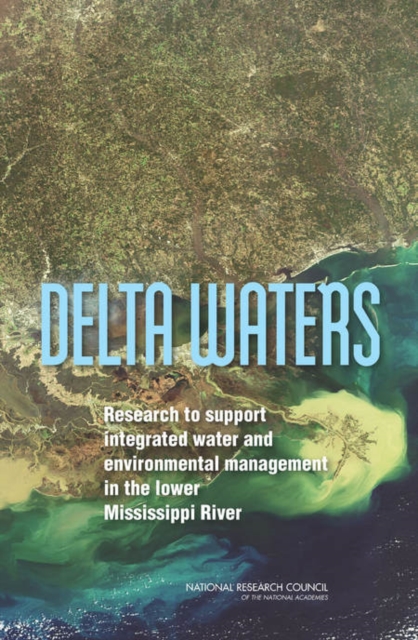
Delta Waters
The Water Institute of the Gulf is a not-for-profit, independent research institute dedicated to advancing the understanding of coastal, deltaic, river and water resource systems, both within the Gulf Coast and around the world. Their mission supports the practical application of innovative science and engineering, providing solutions that benefit society. Those who make policy for coastal and deltaic systems, as well as managers of natural resources, need high-quality science and engineering to guide their decisions. The Water Institute of the Gulf began operations in 2012 to address exactly this sort of challenge.
Delta Waters offers advice to The Water Institute of the Gulf that it might use as part of its strategic planning process. This report focuses on strategic research to support integrated water resources management in the lower Mississippi River delta and includes international comparative assessments. The recommendations of Delta Waters promote a human and environmental systems approach to scientific research that supports integrated water and environmental resources management in the lower Mississippi River and delta, and offers ideas regarding comparative assessments with other, relevant deltaic regions around the world. This report provides input for research into common deltaic problems and challenges, identifies strategic research for The Water Institute of the Gulf, and suggests ways that the organization can utilize knowledge gained from the lower Mississippi River and delta system in developing a research program to support water management decisions in other large river/delta complexes.
eBook