
Catalogue Search | MBRL


Are you sure you want to remove the book from the shelf?

{{itemTitle}}
5,150
result(s) for
"Smith, Deborah"
Sort by:

Much ado about nothing : a critical reader
\"This volume offers an accessible and thought-provoking guide to this major Shakespearean comedy, surveying its key themes and evolving critical preoccupations. It also provides a detailed and up-to-date history of the play's rich stage and screen performance, looking closely at major contemporary performances, including Josie Rourke's film starring David Tennant and Catherine Tate, Vanessa Redgrave and James Earl Jones at the Old Vic, and the RSC's recent rebranding of it as a sequel. Moving through to four new critical essays, the guide opens up fresh perspectives, including contemporary directors' deployment of older actors within the lead roles, the play's relationship to Love's Labour's Lost, its presence on Youtube and the ways in which tales and ruses in the play belong to a wider concern with varieties of crime. The volume finishes with a guide to critical, web-based and production-related resources and an annotated bibliography provide a basis for further research\" -- Provided by publisher.
Book

A third generation vaccine for human visceral leishmaniasis and post kala azar dermal leishmaniasis: First-in-human trial of ChAd63-KH
Visceral leishmaniasis (VL or kala azar) is the most serious form of human leishmaniasis, responsible for over 20,000 deaths annually, and post kala azar dermal leishmaniasis (PKDL) is a stigmatizing skin condition that often occurs in patients after successful treatment for VL. Lack of effective or appropriately targeted cell mediated immunity, including CD8+ T cell responses, underlies the progression of VL and progression to PKDL, and can limit the therapeutic efficacy of anti-leishmanial drugs. Hence, in addition to the need for prophylactic vaccines against leishmaniasis, the development of therapeutic vaccines for use alone or in combined immuno-chemotherapy has been identified as an unmet clinical need. Here, we report the first clinical trial of a third-generation leishmaniasis vaccine, developed intentionally to induce Leishmania-specific CD8+ T cells.
We conducted a first-in-human dose escalation Phase I trial in 20 healthy volunteers to assess the safety, tolerability and immunogenicity of a prime-only adenoviral vaccine for human VL and PKDL. ChAd63-KH is a replication defective simian adenovirus expressing a novel synthetic gene (KH) encoding two Leishmania proteins KMP-11 and HASPB. Uniquely, the latter was engineered to reflect repeat domain polymorphisms and arrangements identified from clinical isolates. We monitored innate immune responses by whole blood RNA-Seq and antigen specific CD8+ T cell responses by IFNγ ELISPOT and intracellular flow cytometry.
ChAd63-KH was safe at intramuscular doses of 1x10¹⁰ and 7.5x10¹⁰ vp. Whole blood transcriptomic profiling indicated that ChAd63-KH induced innate immune responses characterized by an interferon signature and the presence of activated dendritic cells. Broad and quantitatively robust CD8+ T cell responses were induced by vaccination in 100% (20/20) of vaccinated subjects.
The results of this study support the further development of ChAd63-KH as a novel third generation vaccine for VL and PKDL.
This clinical trial (LEISH1) was registered at EudraCT (2012-005596-14) and ISRCTN (07766359).
Journal Article


Genomic Confirmation of Hybridisation and Recent Inbreeding in a Vector-Isolated Leishmania Population
Although asexual reproduction via clonal propagation has been proposed as the principal reproductive mechanism across parasitic protozoa of the Leishmania genus, sexual recombination has long been suspected, based on hybrid marker profiles detected in field isolates from different geographical locations. The recent experimental demonstration of a sexual cycle in Leishmania within sand flies has confirmed the occurrence of hybridisation, but knowledge of the parasite life cycle in the wild still remains limited. Here, we use whole genome sequencing to investigate the frequency of sexual reproduction in Leishmania, by sequencing the genomes of 11 Leishmania infantum isolates from sand flies and 1 patient isolate in a focus of cutaneous leishmaniasis in the Çukurova province of southeast Turkey. This is the first genome-wide examination of a vector-isolated population of Leishmania parasites. A genome-wide pattern of patchy heterozygosity and SNP density was observed both within individual strains and across the whole group. Comparisons with other Leishmania donovani complex genome sequences suggest that these isolates are derived from a single cross of two diverse strains with subsequent recombination within the population. This interpretation is supported by a statistical model of the genomic variability for each strain compared to the L. infantum reference genome strain as well as genome-wide scans for recombination within the population. Further analysis of these heterozygous blocks indicates that the two parents were phylogenetically distinct. Patterns of linkage disequilibrium indicate that this population reproduced primarily clonally following the original hybridisation event, but that some recombination also occurred. This observation allowed us to estimate the relative rates of sexual and asexual reproduction within this population, to our knowledge the first quantitative estimate of these events during the Leishmania life cycle.
Journal Article

Greek lessons
In a classroom in Seoul, a young woman watches her Greek language teacher at the blackboard. She tries to speak but has lost her voice. Her teacher finds himself drawn to the silent woman, for day by day he is losing his sight. Soon they discover a deeper pain binds them together. For her, in the space of just a few months, she has lost both her mother and the custody battle for her nine-year-old son. For him, it's the pain of growing up between Korea and Germany, being torn between two cultures and languages.
Book

Hybridization in Parasites: Consequences for Adaptive Evolution, Pathogenesis, and Public Health in a Changing World
[...]human populations encounter new infections more frequently, and coinfection by multiple parasites from different lineages or species within individual hosts occurs. The circumstances producing increased opportunity for hybridization are the same ones that cause increased rates for disease distribution and transmission. [...]the likelihood of parasite hybridization is increasing with the intensification of world trade of plants and animals, human migration, land use, and drug administration (Fig 1).
Journal Article

Acute exposure to sublethal doses of neonicotinoid insecticides increases heat tolerance in honey bees
The European honey bee, Apis mellifera L., is the single most valuable managed pollinator in the world. Poor colony health or unusually high colony losses of managed honey bees result from a myriad of stressors, which are more harmful in combination. Climate change is expected to accentuate the effects of these stressors, but the physiological and behavioral responses of honey bees to elevated temperatures while under simultaneous influence of one or more stressors remain largely unknown. Here we test the hypothesis that exposure to acute, sublethal doses of neonicotinoid insecticides reduce thermal tolerance in honey bees. We administered to bees oral doses of imidacloprid and acetamiprid at 1/5, 1/20, and 1/100 of LD 50 and measured their heat tolerance 4 h post-feeding, using both dynamic and static protocols. Contrary to our expectations, acute exposure to sublethal doses of both insecticides resulted in higher thermal tolerance and greater survival rates of bees. Bees that ingested the higher doses of insecticides displayed a critical thermal maximum from 2 ˚C to 5 ˚C greater than that of the control group, and 67%–87% reduction in mortality. Our study suggests a resilience of honey bees to high temperatures when other stressors are present, which is consistent with studies in other insects. We discuss the implications of these results and hypothesize that this compensatory effect is likely due to induction of heat shock proteins by the insecticides, which provides temporary protection from elevated temperatures.
Journal Article
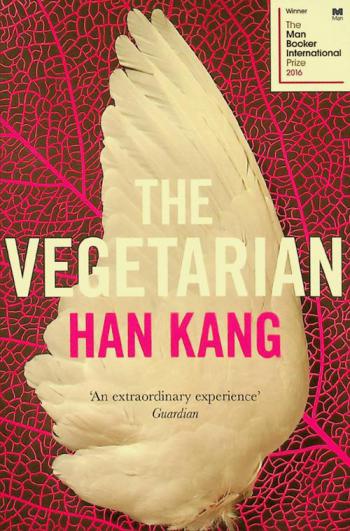
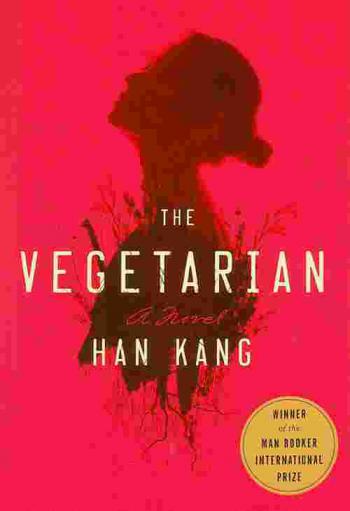
The vegetarian : a novel
Ko Yeong-hye nekega dne iz hladilnika vrže stran vse meso in oznani, da je od zdaj naprej vegetarijanka, se običajnost zakona med njo in njenim možem začne krhati. Stvari eskalirajo ob družinskem kosilu, ko ji oče nasilno v usta potisne kos mesa. Yeong-hye zagrabi nož in si prereže zapestje in konča v bolnišnici. Od tega dogodka naprej lahko opazujemo postopen razpad njene širše družine in neučinkovitost institucij, ki jim je Yeong-hye podvržena.
BOOK
Factors influencing COVID-19 vaccine uptake among Latinos: A cross-sectional study
Vaccination against COVID-19 can prevent severe illness and reduce hospitalizations and deaths. Understanding and addressing determinants contributing to vaccine uptake among high-risk groups, such as Latinos, are pivotal in ensuring equitable vaccine distribution, promoting health equity, and fostering community engagement to bridge the gap in vaccine acceptance and ultimately enhance public health. This study aimed to examine factors influencing vaccine uptake among Latinos. We conducted a cross-sectional study using an online platform (n = 242). The survey was administered using a multimodal approach. Strategies for recruitment included community outreach, social media, and targeting community networks serving Latinos. Descriptive statistics, chi-square, and multivariable analysis were performed. Overall, 81.4% of respondents had received at least one dose of the COVID-19 vaccine, with 77.0% recommending it and 70.6% believing it to be safe, 66.7% believing in its efficacy, 62.3% able to find trustful information in Spanish or Portuguese, and almost 40% who relied on health organizations as their primary resource for COVID-19 vaccine information. Factors significantly associated with vaccine uptake included higher education level ( p <0.001), English level ( p = 0.023), living in an urban area ( p = 0.048), having insurance ( p <0.001), and having a healthcare provider ( p = 0.007). Furthermore, belief in vaccine safety and efficacy, trust in public health authorities, concerns about COVID-19, the ability to determine true/false vaccine information during the pandemic, and the availability of trustworthy information in Spanish/Portuguese had statistically significant associations ( p <0.05) with COVID-19 vaccine uptake. COVID-19 vaccine uptake differed based on sociodemographic and other modifiable factors. Our findings emphasize the importance of implementing targeted interventions and culturally sensitive communication strategies to improve vaccination uptake among the Latino community in the United States.
Journal Article