
Catalogue Search | MBRL


Are you sure you want to remove the book from the shelf?

{{itemTitle}}
3
result(s) for
"Summers, Mark W. (Mark Wahlgren), 1951-"
Sort by:

The ordeal of the reunion : a new history of Reconstruction
\"For a generation, scholarship on the Reconstruction era has rightly focused on the struggles of the recently enslaved for a meaningful freedom and defined its success or failure largely in those terms. Summers goes beyond this vitally important question, focusing on Reconstruction's need to form an enduring Union without sacrificing the framework of federalism and republican democracy. This book offers a fresh explanation for Reconstruction's demise and a case for its essential successes as well as its great failures. Indeed, this book demonstrates the extent to which the victors' aims in 1865 were met--and at what cost\"-- Provided by publisher.
Book
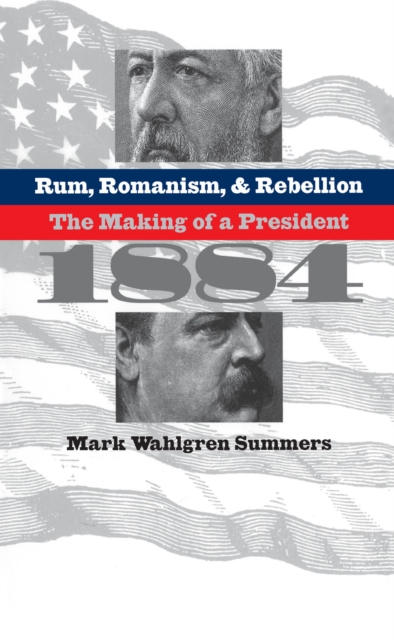
Rum, romanism & rebellion : the making of a president, 1884
The presidential election of 1884, in which Grover Cleveland ended the Democrats' twenty-four-year presidential drought by defeating Republican challenger James G. Blaine, was one of the gaudiest in American history, remembered today less for its political significance than for the mudslinging and slander that characterized the campaign. But a closer look at the infamous election reveals far more complexity than previous stereotypes allowed, argues Mark Summers. Behind all the mud and malarkey, he says, lay a world of issues and consequences. Summers suggests that both Democrats and Republicans sensed a political system breaking apart, or perhaps a new political order forming, as voters began to drift away from voting by party affiliation toward voting according to a candidate's stand on specific issues. Mudslinging, then, was done not for public entertainment but to tear away or confirm votes that seemed in doubt. Uncovering the issues that really powered the election and stripping away the myths that still surround it, Summers uses the election of 1884 to challenge many of our preconceptions about Gilded Age politics.
eBook
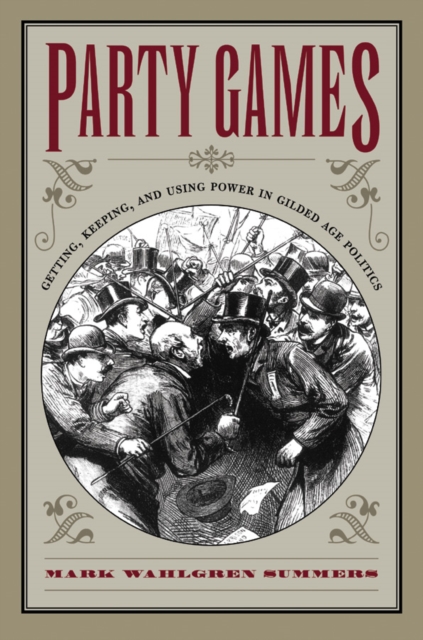
Party games : getting, keeping, and using power in Gilded Age politics
Much of late-nineteenth-century American politics was parade and pageant. Voters crowded the polls, and their votes made a real difference on policy. In Party Games, Mark Wahlgren Summers tells the full story and admires much of the political carnival, but he adds a cautionary note about the dark recesses: vote-buying, election-rigging, blackguarding, news suppression, and violence.
Summers also points out that hardball politics and third-party challenges helped make the parties more responsive. Ballyhoo did not replace government action. In order to maintain power, major parties not only rigged the system but also gave dissidents part of what they wanted. The persistence of a two-party system, Summers concludes, resulted from its adaptability, as well as its ruthlessness. Even the reform of political abuses was shaped to fit the needs of the real owners of the political system - the politicians themselves.
eBook