
Catalogue Search | MBRL


Are you sure you want to remove the book from the shelf?

{{itemTitle}}
58
result(s) for
"Tafrate, Raymond Chip"
Sort by:


Core Mechanisms of Change in Motivational Interviewing: An Attempt to Separate Relational from Technical Element Effects
U ovome je eksperimentu korišten tzv. pristup rastavljanja da bi se ispitali mehanizmi promjene u motivacijskome intervjuu (MI). Sedamdeset i dva studenta preddiplomskoga studija koja su se nalazila u gornjih 35 percentila na osobini ljutnje nasumično su rasporedena u sljedeće skupine: potpuni MI (PMI), relacijski MI (RMI) ili psihoedukacija. Svaki se sudionik individualno sastao s eksperimentatorom (terapeutom) na jednoj seansi u trajanju od 30 do 45 minuta da bi razgovarao o svojoj ljutnji. U uvjetu potpunoga MI-ja korišteni su relacijski i tehnički elementi da bi se potaknuo razgovor o promjeni, dok je u uvjetu relacijskoga MI-ja naglasak bio na relacijskim i suportivnim elementima. U uvjetima psihoedukacije fokus je stavljen na podučavanje o komponentama ljutnje. Sudionici su zatim zamoljeni da tijekom sljedećega tjedna putem interneta koriste dnevnu vježbu dubokoga disanja. Rezultati su pokazali da su sudionici u obama uvjetima motivacijskoga intervjua iskazivali više govora o promjeni (engl. change talk) u odnosu na grupu koja je sudjelovala u psihoedukaciji. Nezavisne procjene seansi pokazale su da se, unatoč pokušaju eliminacij e tehničkih elemenata u uvjetu relacij skoga MI-j a, uvj eti PMI-j a i RMI-j a nisu razlikovali u terapeutovu prihvaćanju, empatiji, usmjeravanju, podršci autonomije i suradnji. Takoder, nije dobiven efekt grupe na pokretanje vježbe dubokoga disanja. Ti rezultati pokazuju da je teško odvojiti relacijske od tehničkih elemenata u MI-ju i prema tome identificirati temeljne mehanizme promjene.
Journal Article
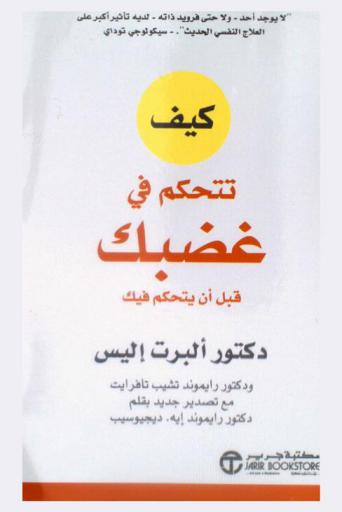
كيف تتحكم في غضبك قبل أن يتحكم فيك
إن كنت تقرأ هذا الكتاب، فهناك احتمال أنك تعاني مشكلات بسبب الغضب، أو أن شخصا تعرفه يعانيه، وتأمل في الحصول على بعض الإجابات التي لاتعينك على التصدي للغضب، لا يحاول مؤلفو كتب التنمية الذاتية تقديم خلاصة المعرفة المتوافرة عن المشكلات النفسية، بحيث تصلح لأن تقدم في كتاب واحد، ويقترحون استراتيجيات تعتمد على المعرفة بطرق العلاج الفعالة للتغلب على المشكلات، وأفضل كتب التنمية الذاتية هي التي تأخذ ما نعرفه من العلوم، فتبسطه ليسهل على العامة فهمه، ومؤلفو هذه الكتب مؤهلون للغاية ليقوموا بذلك على أكمل وجه. وكان الدكتور ألبرت إليس قطبا عالميا شهيرا في مجال العلاج النفسي، ورائدا في تطوير مواد التنمية الذاتية، وكتبها، واستخدامهما، وكان يؤمن بضرورة إعطاء الجميع الأدوات والمصادر، لكي يصبحوا المعالجين الذاتيين لأنفسهم، ويعكس هذا الكتاب الجهود التي بذلها طيلة حياته المهنية ليساعد الآخرين على تغيير أنفسهم،
BOOK
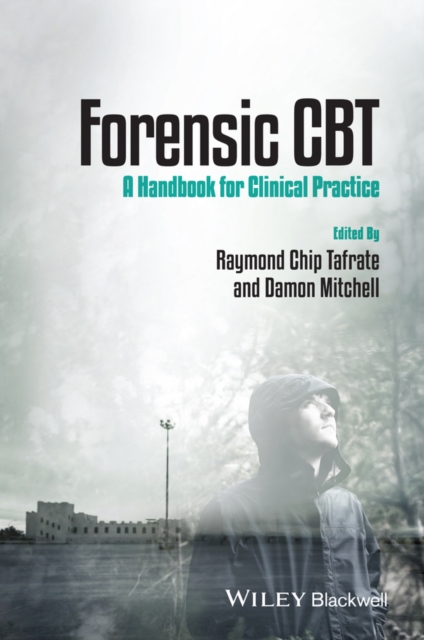
Forensic CBT
There is a growing expectation that empirically supported interventions and programs, primarily CBT, will be used by forensic practitioners in correctional facilities or probational situations. This edited volume is the first authoritative resource that addresses CBT in offender settings.
eBook

The Practitioner's Guide to Anger Management
From the authors of the hugely popular self-help guide, Anger Management for Everyone, comes a comprehensive resource to help clinicians treat client anger. Using the authors' innovative and modular SMART (Selection Menu for Anger Reduction Treatment) model for anger intervention, professionals will find motivational interviewing techniques and other effective tools for helping clients manage problem anger and live better lives.
eBook

Criminogenic Thinking among Justice-Involved Persons: Practice Guidelines for Probation Staff 1
Trade Publication Article
Surfing the Three Waves of CBT in Community Supervision
Currently, CBT is recognized by the National Institute of Corrections as part of their eight principles of recidivism reduction (https:// nicic.gov/implementing-evidence-based-practice-community-corrections-principles-effective-intervention). Making Sense of the CBT Landscape CBT has undergone considerable evolution and expansion as a form of treatment. Since the 1960s, the term CBT has come to encompass a plethora of models, interventions, and techniques for altering thinking and behavior, making this treatment approach appear amorphous and indistinct. In terms of strategy, CBT-oriented conversations are best placed after the officer-client relationship has been established and clients have acknowledged the factors that put them most at risk for future justice involvement. Since POs are not psychotherapists, the CBT conversations presented below are brief and can typically be conducted in less than 30 minutes. First Wave: An Emphasis on Behaviorism From a first wave perspective, criminal behavior is largely viewed as a function of environmental influences such as reinforcement history (i.e., which behaviors have been rewarded?), associative learning (i.e., connections between stimuli resulting in automatic-like reactions), and modeling (i.e., copying the actions of others).
Trade Publication Article
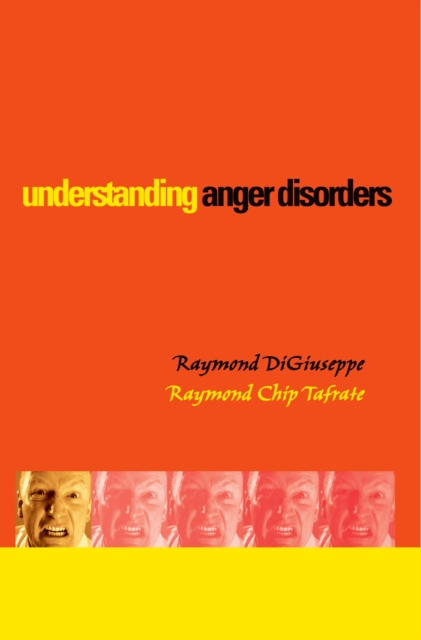
Understanding Anger Disorders
Using clinical data and a variety of case studies, this title argues for a new diagnostic classification, Anger Regulation and Expression Disorder, that will help bring about clinical improvements and increased scientific understanding of anger. After situating anger in both historical and emotional contexts, it reports research that supports the existence of several subtypes of the disorder and review treatment outcome studies and new interventions to improve treatment. This title fully explores anger as a clinical phenomenon and provides a reliable set of assessment criteria, it represents a major step toward establishing the clear definitions and scientific basis necessary for assessing, diagnosing, and treating anger disorders.
eBook
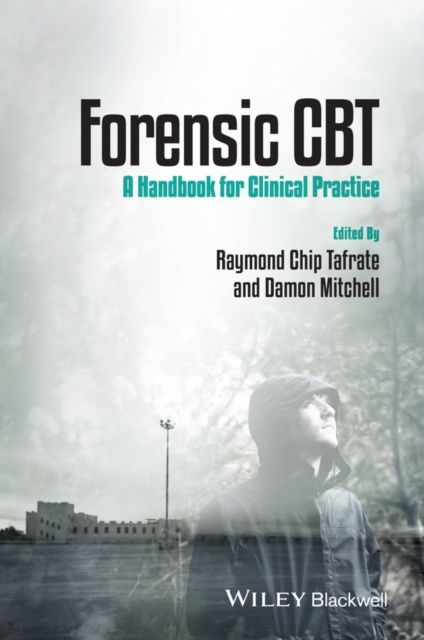
Forensic CBT: a practitioner's guide
Forensic CBT: A Handbook for Clinical Practice is an edited collection that represents the first authoritative resource on the utilization of CBT strategies and techniques for offender clients. Features contributions from leaders of the major schools of CBT on the treatment of antisocial personality patterns as well as anger, interpersonal violence, substance abuse, and sexual aggression Addresses modified CBT approaches for female, juvenile, and culturally diverse forensic populations Covers emerging areas of forensic practices, including the integration of motivational interviewing and strength-based approaches Includes an assortment of worksheets, handouts, and exercises for practitioners to use with their clients
eBook
Ten Things Risk/Needs Assessment Is Not 1
Instruments such as the Level of Service/Case Management Inventory (Andrews et al., 2004), Ohio Risk Assessment System (Latessa et al., 2011), Post-Conviction Risk Assessment (Lowenkamp et al., 2013), and many others are designed to identify justice-involved clients (JICs)3 who are most likely to reoffend and the influences that contribute to that risk. By knowing who and what to focus on, probation officers (POs) can achieve the best possible results with their caseloads by working to alter JICs' criminal trajectories and ultimately improving community safety. Because the benefits to JICs and the public are so clear, the value of good risk/needs assessment seems self-evident. In this paper, we first note five misconceptions that we have often observed among officers conducting assessments and offer suggestions for making the assessment process one that yields valid information relevant for supervision and case management. [...]valid assessment requires corroborating information from sources such as official records, as well as interviews with collateral contacts such as a JIC's intimate partner, family members, teachers, work supervisors, treatment providers, and so forth.
Trade Publication Article