
Catalogue Search | MBRL


Are you sure you want to remove the book from the shelf?

{{itemTitle}}
11
result(s) for
"Takriti, Abdel Razzaq"
Sort by:

Monsoon revolution : republicans, sultans, and empires in Oman, 1965-1976
\"The Dhufar revolution in Oman (1965-1975) was the longest-running major armed struggle in the history of the Arabian Peninsula, Britain's last classic colonial war in the region, and one of the highlights of the Cold War in the Middle East. Monsoon Revolution retrieves the political, social, and cultural history of that remarkable process. Relying upon a wide range of untapped Arab and British archival and oral sources, it revises the modern political history of Oman by revealing the centrality of popular movements in shaping events and outcomes. The ties that bound transnational anti-colonial networks are explored, and Dhufar is revealed to be an ideal vantage point from which to demonstrate the centrality of South-South connections in modern Arab history\"--Dust jacket.
Book

Colonial Coups and the War on Popular Sovereignty
Compared to related phenomena such as revolutions, coups d’état have been undertheorized, approached in imperial and national histories as individual case studies, and analyzed by social scientists through the prism of democratization theory. This article argues that coups merit greater historical reflection, highlighting their significance in shaping sovereignty arrangements in the post–Second World War era. Alongside the pursuit of counterinsurgency, imperial powers depended on leadership change to either tackle or preempt existing and potential transnational anticolonial challenges. Through a close examination of two major British coups—entailing the removal of the sheikh of Sharjah in 1965 and the sheikh of Abu Dhabi in 1966—the article proposes the “colonial coup” as a useful concept for understanding depositions carried out by empires against dependent rulers. Far from being the mere outcome of local palace struggles, colonial coups were powerful political instruments utilized in a preemptive global war that was waged against popular sovereignty on the eve of decolonization. Concerned with perpetuating imperial interests beyond formal military withdrawal, they played a decisive role in shaping the historical trajectory of the modern state in the Arab world and beyond.
Journal Article
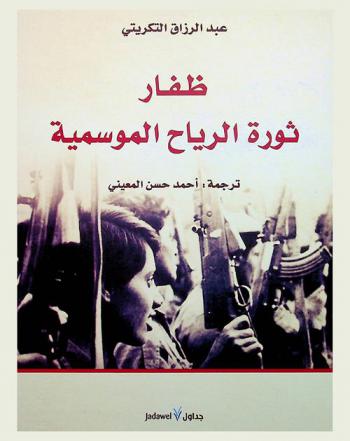
ظفار ثورة الرياح الموسمية : الجمهوريون والسلاطين والإمبراطوريات في عمان (1965-1976 م)
يذكر الكاتب أن \"سعيد بن سلطان وضع نفسه موضع التبعية التي لا فكاك منها حين قبل خدمات البريطانيين\" وفي هذا السياق يوضح بأن السلطان سعيد بن سلطان ذلك الرجل الذي قام بتوسعة الأراضي العمانية حيث شملت عمان الجغرافية وأجزاء من الساحل الفارسي وأراضي وجزر في شرق أفريقيا، بأنه يخضع للتبعية البريطانية. وأيضا يعيد الكاتب نفس السرد في موقف آخر فيقول \"اسم سلطان مسقط أو سلطان مسقط وعمان فقد استحدثه البريطانيون\" ويقول \"إن المناطق الخاضعة لسيطرة السلطان جزءا من المنظومة البريطانية العالمية\" وهنا من جديد يضعنا الكاتب في نفس السؤال، كيف لرجل مثل السلطان سعيد بامتداد فترة حكمه التاريخية والجغرافية أن يكون تبعا للسيطرة البريطانية. وهذا بالإضافة إلى عدة أشياء أخرى مثل أن السلطان يحصل على مخصصات مالية من الحكومة البريطانية حاله كحال أي موظف للتاج البريطاني وأن السلطان لا يملك من السلطة في القطر العماني إلا بالنطاق والحيز الذي يتاح له من قبل بريطانيا وقد تزيد أو تنقص بحسب الظروف والقرارات السياسية التي يتم اتخاذها في أروقة الحكومة البريطانية ويواصل الكاتب واضعا عمان بموضع التبعية فيقول(كانت السلطنة آنذاك بمنزلة قاعدة أمامية للحكم البريطاني في الهند (الراج)،تهيأ لها أن تستمر على نحو لافت إلى ما بعد استقلال الهند) ولكن ما يلبث الكاتب أن يذكر بعض المواقف التي ينتقد بها ما سلف ذكره من تبعية عمان للتاج البريطاني فيذكر رد السلطان سعيد بن تيمور لبريطانيا (كما أوضح أن أية محاولة بريطانية للتدخل في شؤونه الداخلية لن تكون محل ترحيب) وهذا رد واضح لا يشوبه أي شائبة عن تمسك السلاطين بزمام الأمور وعدم السماح بالتدخلات الخارجية في السياسات العمانية ولكن الكاتب يصر من جديد على التحكم التام لبريطانيا في مفاصل الدولة الداخلية حيث يقول الكاتب على إثر طرحه لعدة حجج للمناقشات البريطانية لإحدى المواضيع المتعلقة بعمان وإيضاح بأن الدولة مستقلة وذات سيادة أنه هذا فقط (للإيحاء بأنه ليس في وسع بريطانيا أن تتدخل في شؤون السلطنة الداخلية مع أن بريطانيا كانت تدير عمليا معظم شؤون السلطنة آنذاك)
BOOK

\Who Will Hang the Bell?\: The Palestinian Habba of 2021
This essay reflects on the Palestinian habba of 2021, contextualizing it within the broader trajectory of Palestine's century-old anti-colonial continuum. Noting the substantial scale and intensity of the latest mobilizations, this essay argues that colonial structural realities induce a cyclical regeneration of popular resistance in historic Palestine and in exile. Nevertheless, the emancipatory prospects of this resistance depend on the transformation of moments that carry revolutionary potential into a long-term struggle, one that is sustained by rejuvenated national institutions pursuing unified anti-colonial principles and political programs.
Journal Article

Afterlives of revolution : everyday counterhistories in southern Oman
\"The Dhufar Revolution was fought between 1965-1976, in an attempt to depose Oman's British-backed Sultan and advance social ideals of egalitarianism and gender equality. Dhufar, the southernmost governorate in today's Sultanate, captured global attention for its revolutionaries and their liberation movement's Marxist-inspired social change. But following counterinsurgency victory, Oman's government expunged the revolution from sanctioned historical narratives. Afterlives of Revolution offers a groundbreaking study of the legacies of officially silenced revolutionaries. How do their underlying convictions survive and inspire platforms for progressive politics in the wake of disappointment, defeat, and repression? Alice Wilson considers the \"social afterlives\" of revolutionary values and networks. Veteran militants have used kinship and daily socializing to reproduce networks of social egalitarianism and commemorate the revolution in unofficial ways. These afterlives revise conventional wartime and postwar histories. They highlight lasting engagement with revolutionary values, the agency of former militants in postwar modernization, and the limitations of government patronage for eliciting conformity. Recognizing that those typically depicted as coopted can still reproduce counterhegemonic values, this book considers a condition all too common across Southwest Asia and North Africa: the experience of defeated revolutionaries living under the authoritarian state they once contested\"-- Provided by publisher.
Book


Monsoon Revolution: Republicans, Sultans, and Empires in Oman, 1965-1976. (Oxford Historical Monographs)
Moazami reviews Monsoon Revolution: Republicans, Sultans, and Empires in Oman, 1965-1976 by Abdel Razzaq Takriti.
Book Review