
Catalogue Search | MBRL


Are you sure you want to remove the book from the shelf?

{{itemTitle}}
2
result(s) for
"Tay, Dennis, editor"
Sort by:

Approaches to language, culture, and cognition : the intersection of cognitive linguistics and linguistic anthropology
\"The study of language, culture, and cognition has become increasingly fragmented into separate disciplines and paradigms. This volume aims to re-establish dialogue between cognitive linguists and linguistic anthropologists with 11 original papers on language, culture and cognition, and an editorial introduction. It demonstrates that cognitively-informed perspectives can contribute to a better understanding of social, cultural, and historical phenomena, and argues that cognitive theories are relevant to linguistic anthropology. \"-- Provided by publisher.
Book
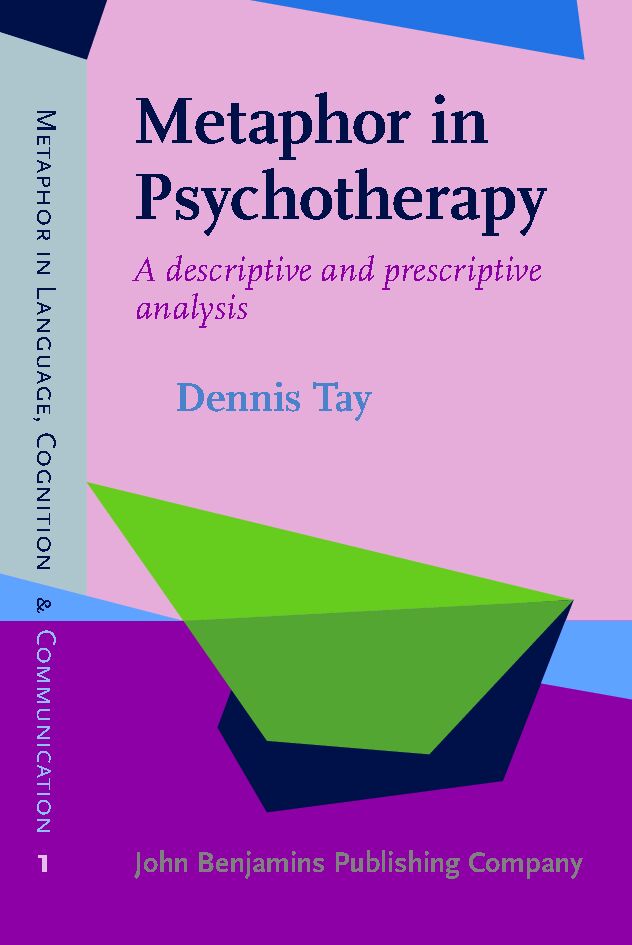
Metaphor in psychotherapy : a descriptive and prescriptive analysis
This book represents a bold attempt to address contemporary issues in both metaphor and psychotherapy research. On one hand, metaphor research is increasingly concerned not just with describing metaphors in discourse, but how they could be used more adroitly in purposive 'real world' contexts such as psychotherapy. On the other hand, while a growing number of mental health professionals believe that metaphors contribute in some way to the psychotherapy process, their ability and willingness to use metaphors might be compromised by a relative unfamiliarity with the various nuanced aspects of metaphor theory. The present analysis of metaphors in authentic psychotherapeutic talk brings these theoretical aspects to the forefront, and suggests how they can be applied to enhance the use of communication of metaphors in psychotherapy. It should be of interest to metaphor researchers, mental health professionals, and discourse analysts in general.
eBook