
Catalogue Search | MBRL


Are you sure you want to remove the book from the shelf?

{{itemTitle}}
280
result(s) for
"Terpstra, Nicholas"
Sort by:


Cultures of Charity
Renaissance debates about politics and gender led to pioneering forms of poor relief, devised to help women get a start in life. These included orphanages for illegitimate children and forced labor in workhouses, but also women’s shelters and early forms of maternity benefits, unemployment insurance, food stamps, and credit union savings plans.
eBook
Cultures of Charity
Renaissance Italians pioneered radical changes in ways of helping the poor, including orphanages, workhouses, pawnshops, and women's shelters. Nicholas Terpstra shows that gender was the key factor driving innovation. Most of the recipients of charity were women. The most creative new plans focused on features of women's poverty like illegitimate births, hunger, unemployment, and domestic violence. Signal features of the reforms, from forced labor to new instruments of saving and lending, were devised specifically to help young women get a start in life. Cultures of Charity is the first book to see women's poverty as the key factor driving changes to poor relief. These changes generated intense political debates as proponents of republican democracy challenged more elitist and authoritarian forms of government emerging at the time. Should taxes fund poor relief? Could forced labor help build local industry? Focusing on Bologna, Terpstra looks at how these fights around politics and gender generated pioneering forms of poor relief, including early examples of maternity benefits, unemployment insurance, food stamps, and credit union savings plans.
eBook


Does the Early Modern Still Matter? Narratives of Decline and Early Modern(ist) Voices
One thing that is striking about current cultural and political discourse is how commonly the conversation turns to motifs of decline. It informs academics' sense of whether universities, and the humanities in particular, have a future and a task. It stalks our discussions with graduate and undergraduate students about career possibilities. It is the inflammatory low note in appeals voiced around the world to make countries great again. Too often these declensionist narratives keep attention riveted on some idealized mid-twentieth-century past that has been decontextualized and made normative. At their worst, these narratives rationalize abandoning values in the purported pursuit of them. Short of that, they often paralyze creative discussion by aiming to revive some unexamined status quo rather than working toward a different future that might incorporate more people, voices, experiences, and opportunities. This cultural reflex is familiar to early modernists regardless of disciplines because we encounter it both in the texts we read and in the corner of the academy that we inhabit. The older terms that we may now use self-consciously if at all-Renaissance and Reformation-speak to an ethos lasting at least three centuries, from the late fourteenth, that traced the path to the future through the past. It was a past often barely grasped and so all the more often idealized, contested, ideological, and invented. That invented past was the silver lining barely luminous around the dark clouds that early moderns complained of when decrying the \"recent\" decline that had corrupted manners, grammar, spirit, letters, integrity, and form. The slim light of that invented past could expand for those scholars and reformers who had the determined discipline to push farther back to purer models in Greek, Roman, and early Christian traditions.
Journal Article
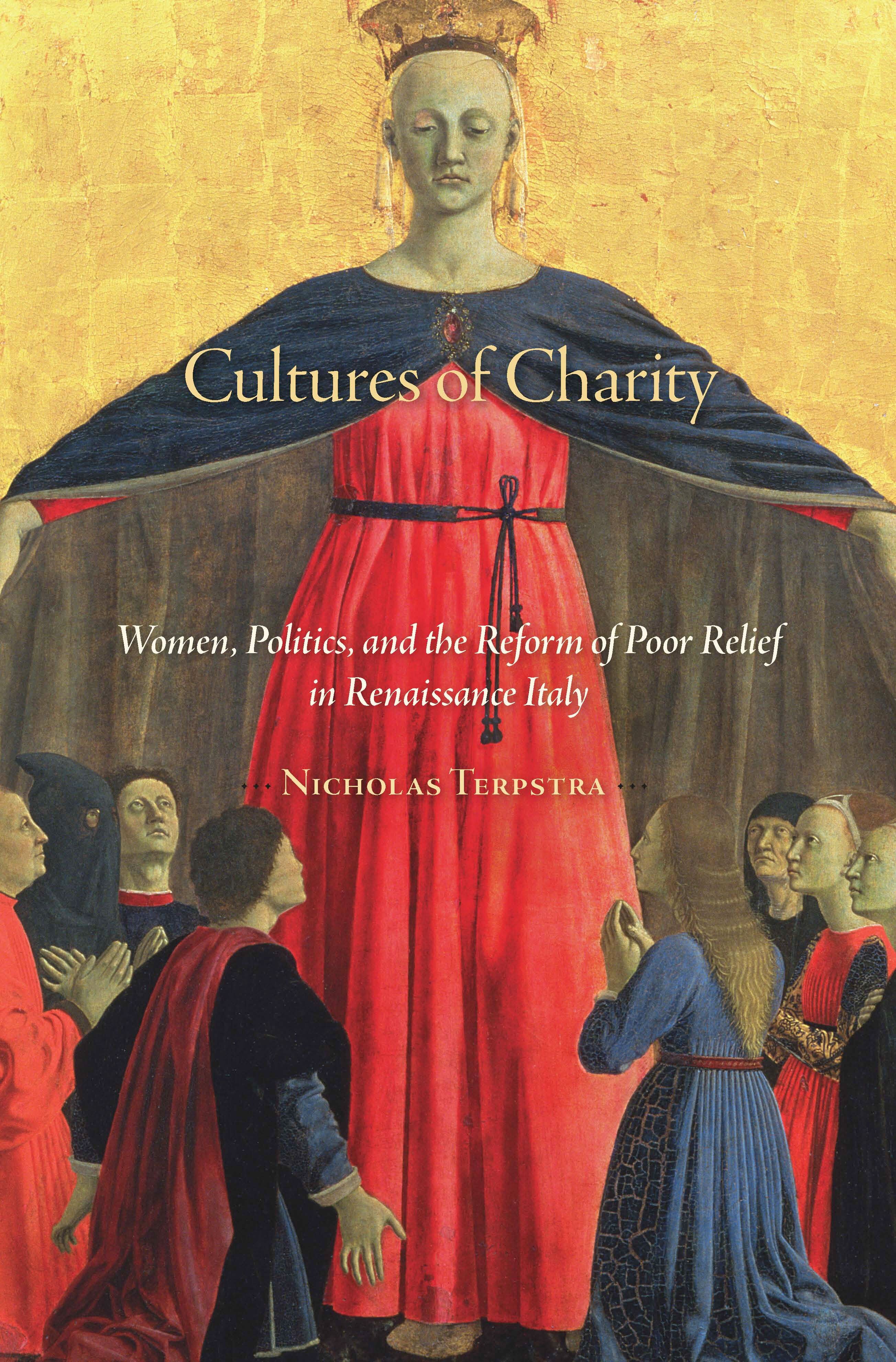
Cultures of charity : women, politics, and the reform of poor relief in renaissance Italy
Renaissance debates about politics and gender led to pioneering forms of poor relief, devised to help women get a start in life. These included orphanages for illegitimate children and forced labor in workhouses, but also women's shelters and early forms of maternity benefits, unemployment insurance, food stamps, and credit union savings plans.
eBook


