
Catalogue Search | MBRL


Are you sure you want to remove the book from the shelf?

{{itemTitle}}
63
result(s) for
"Test, John"
Sort by:
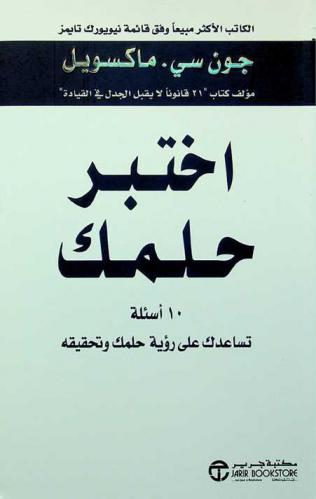
اختبر حلمك : 10 أسئلة تساعدك على رؤية حلمك وتحقيقه
هذا الكتاب يساعدك د. ماكسويل على أن تجد الإجابات السليمة، حيث يعطيك المبادئ والنصائح التي تمكنك من اتخاذ قرارات صائبة والاستفادة من كل لحظة حتى تحقق حلمك.يجب على كل شخص ناجح ان يجيب بـ نعم عن عشرة اسئلة بسيطة.ن لحلمك قوة وبإمكانه ان يلهب حماسك ويزيد قدراتك.لكن هل سيعود عليك البنفع في هذا الكتاب الذي سيرشدك لتحقيق أحلامك.يبين لك المؤلف صاحب الكتب الأكثر مبيعا وفق أحلامك.
BOOK
The Black Hole Explorer: Back End Electronics
This paper describes specification and early design of back end signal processing subsystems for the Black Hole Explorer (BHEX) Very Long Baseline Interferometry (VLBI) space telescope. The \"back end\" consists of two subsystems. First, the block downconverter (BDC) is a heterodyne system that performs a frequency translation of the analog signal from IF to baseband and amplifies and filters it for digitization. Second, the digital back end (DBE) samples the analog signal with an analog-to-digital converters (ADC) and digitally processes the data stream formatting them to the VLBI \"VDIF\" standard and converting to Ethernet packets for 100 gigabit-per-second (Gb/s) Ethernet transport to the optical downlink system. Both the BDC and the DBE for BHEX support eight channels of 4.096 GHz bandwidth each, for a total processed bandwidth of 32.768 GHz. The BHEX back end benefits from mature terrestrial back end heritage, described in some detail. The BHEX back end itself is in the early stages of design, with requirements, interface specifications, and component trade studies well advanced. The aim is to build a prototype using terrestrial grade parts which are available in functionally identical space grade equivalents, and to use this prototype to advance the back end Technology Readiness Level (TRL) preparing for a Small Explorer (SMEX) proposal in 2025.
Paper
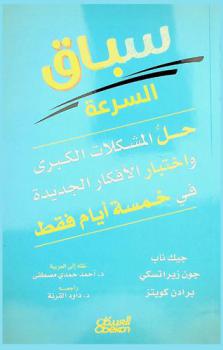
سباق السرعة : كيف تحل المشكلات الكبرى وتختبر الأفكار الجديدة في خمسة أيام فقط ؟
في هذا الكتاب يقدم لك ثلاثة من نجوم عالم التقنية وإدارة الأعمال أحد أسرار الشركات الكبرى التي تقدم خدماتها لملايين العملاء قالوا عن الكتاب يخشى رواد عالم الأعمال الذين أعرفهم من الشيء نفسه، وهو معرفة : هل نتحرك بالسرعة الكافية أم لا؟ وتكمن براعة هذا الكتاب في أنه يمثل دليلا يأخذ بيدك خطوة بخطوة نحو حل المشكلات الكبرى والقيام بالعمل الأهم بالسرعة الكافية. إن هذا الكتاب بمثابة الدواء الناجع لما يتهدد الشركات في عالم يتميز بإيقاع هو الأسرع».-بيث كوستوك، العضو المنتدب لجينيرال إليكتريك«يقدم (سباق السرعة) صياغة واضحة لاختبار أفكار صالحة للتطبيق في الشركات الناشئة والمؤسسات الكبرى على حد سواء، وفي غضون خمسة أيام ستتحرك من الفكرة إلى النموذج البدائي وصولا إلى القرار في إيقاع يوفر على شركتك جهدا ومالا يصعب حصرهما.
BOOK
A Multi-Baseline 12 GHz Atmospheric Phase Interferometer with One Micron Path Length Sensitivity
We have constructed a five station 12 GHz atmospheric phase interferometer (API) for the Submillimeter Array (SMA) located near the summit of Mauna Kea, Hawaii. Operating at the base of unoccupied SMA antenna pads, each station employs a commercial low noise mixing block coupled to a 0.7 m off-axis satellite dish which receives a broadband, white noise-like signal from a geostationary satellite. The signals are processed by an analog correlator to produce the phase delays between all pairs of stations with projected baselines ranging from 33 to 261 m. Each baseline's amplitude and phase is measured continuously at a rate of 8 kHz, processed, averaged and output at 10 Hz. Further signal processing and data reduction is accomplished with a Linux computer, including the removal of the diurnal motion of the target satellite. The placement of the stations below ground level with an environmental shield combined with the use of low temperature coefficient, buried fiber optic cables provides excellent system stability. The sensitivity in terms of rms path length is 1.3 microns which corresponds to phase deviations of about 1 degree of phase at the highest operating frequency of the SMA. The two primary data products are: (1) standard deviations of observed phase over various time scales, and (2) phase structure functions. These real-time statistical data measured by the API in the direction of the satellite provide an estimate of the phase front distortion experienced by the concurrent SMA astronomical observations. The API data also play an important role, along with the local opacity measurements and weather predictions, in helping to plan the scheduling of science observations on the telescope.
Paper

SMART AURION leads space race NUMBERS: Toyota Aurion AT-X $46,490 SAFETY
If that's the way you like to drive the Aurion then don't expect you'll manage to stay with the manufacturer's claimed fuel economy figures. From the powered driver's seat, there's no problems with visibility or access to the controls but the steering feels a tad sluggish. While the interior finish as nothing extraordinary, it's pleasant enough and it's here where the Aurion does become a leader and not a follower.
Newspaper Article
From zero to hero: Mazda manages a resurrection act
The steering rack has three mountings instead of two, the suspension subframes are stronger and the rubber bushes in the suspension are stiffer. The tyres, now with extra-stiff sidewalls, are mounted on hefty 18in wheels. The driveshafts are now designed so that each has the same resistance to twisting as the other, which should stop the former tendency to tug sideways on sudden acceleration. The front anti-roll bar's mounting points are nearer to the car's edges, so the bar has more favourable leverage and a more immediate effect. Even if you're not into the niceties of suspension design, you'll sense that the MPS should now steer like a go-kart (and maybe ride like a farm-cart). Inevitably, given the technical explanation, the MPS feels unyielding over lumps and bumps. But it's not as bad as I expected, because the suspension is softer than before. Maybe more supple sidewalls in the tyres would create a compromise, but the MPS engineer, Shinichi Inata, wants to keep the new car's very positive steering feel around the straight-ahead position. It's a point of honour given the old car's hopelessness there.
Newspaper Article
Could this be the best-handling car on the planet?
For now, all Evoras have a solid, fixed roof but a convertible will follow. So will a cheaper version with no rear seats, and an automatic. Like the Elise and its derivatives, the Evora has its engine mounted across the car behind the occupants with the boot beyond, and a chassis made from bonded and riveted aluminium sheets and extrusions. But everything is bigger and more sophisticated, because the Evora has to take on rivals such as Porsche's Cayman and not fall at the first hurdles of quality and refinement. That's a big challenge for a small factory. Porsche makes more cars in a year than Lotus has made in its entire 60-year history to date, but buyers of a 47,500 car (the cheapest, option-free, two-seats-only [Evora]) won't accept quality solecisms just because the car isn't replicated as often. What might pass in an Elise won't do in an Evora. Inside the Evora is a sense of quality and attention to detail ahead of anything Lotus has attempted before. Leather is all around, at least in this \"launch edition\" Evora (the first 450 cars) with Tech, Premium and Sport packs and a stack of other options which together hoist the price to 59,900. It's not quite right, though. The driver's door shudders when pulled shut. The Alpine stereo and sat-nav display screen looks cheap with its fiddly, ugly silver buttons along the bottom. The red information display screens either side of the instruments are hard to read in sunlight or if you are long-sighted.
Newspaper Article
At last! A Quattro that's as flash as Gene Hunt
There are fundamental differences between the TT RS and the \"Huntmobile\". The TT can't accommodate two fully-grown people in its rear seat, let alone two plainclothes officers, because it's a smaller, daintier car. And its engine is mounted transversely rather than lengthways. Cylinder-count and turbo presence apart, nothing is shared between the engines; the TT RS's engine block is the same as is used in US versions of the Volkswagen Jetta, and the cylinder head is closely related to those used in a Lamborghini Gallardo or Audi R8 V10. Do you sense a triumph of presentation over substance? There's more. The TT RS has a rather flamboyant rear spoiler, a veritable wing more suited to a racing car. You would think it would increase downforce at speed, but it turns out the design brief called only for something to give as much downforce as the standard TT's discreet, retractable spoiler. \"Actually it gives slightly more,\" says Stephan Reil, the development manager of Audi's specialist Quattro division, \"but you can't feel it when you drive.\"
Newspaper Article
The Q5 - probably the best mid-size SUV in the world
Now there's an Audi Q5. It looks like a smaller Q7 but it's still hefty, having a wider, tougher version of the Audi A4's platform. Those who crave an SUV to help them feel secure and powerful will find all the psychological support they need. Audi says that just two per cent of SUV owners have ever driven across rough country. It also says there's an \"immense growth of interest in adventure tours\". Some of that growth presumably involves driving across rough country, which might raise that percentage of SUV off-road use. I hope so, because then such a car is justified. The Q5 is more evidence that Audi's engineers have recently discovered the secret of driver-pleasing vehicle dynamics having missed the point for years. Specifically, the Q5 has unusually sophisticated suspension design, and it can be had (as in the cars I drove) with Audi Drive Select. This lets you choose Comfort, Auto and Dynamic settings which affect suspension firmness, steering weight and accelerator eagerness, and, if you dig further into the car set-up part of the Audi Multi-Media Interface (a sort of iDrive), you can change those settings individually for each parameter.
Newspaper Article
If anyone can launch a luxury car now
You might also buy one because you like the idea of the Total Ownership Experience, also known as The Reward of Individualiti. Stay with me here. No Infiniti Centre (of which there will be 14 in the UK, the first opening next year) will share space with a Nissan dealer. You can make use of Infiniti iContact and its team of business-savvy consultants while you're driving, or arrange sales and servicing with Infiniti Ambassadors, perhaps using the time-saving Infiniti VIP Service. A website helps you choose the specification of your new Infiniti, with 3D views and every combination of colour and trim, and also lets you see what an Infiniti Centre is like. Which is? Full of \"Spiritual Precision\". And purple. If you don't like purple hues and trendy lounge music, you'll be in trouble. In the end, though, the car is the important part. What, then, is this G37?
Newspaper Article