
Catalogue Search | MBRL


Are you sure you want to remove the book from the shelf?

{{itemTitle}}
246
result(s) for
"Thapar, Romila"
Sort by:


Revisiting Max Weber's Religion of India
Weber's study of the religion of India, includes his views on the state in India and caste. The discussion is based as expected, on the information and readings of these themes by colonial administrators of the nineteenth century and by scholars, largely European, who had worked on India during the same period. Using these writings as sources, Weber attempted to apply his thesis from European history on the link between the Protestant ethic and the spirit of capitalism, which he found absent in the Indian material. The historical and sociological premises from which he drew his conclusions have been questioned in the last century. The relations between a variety of state systems and caste and religious sects in the history of India have taken forms different from those that were suggested a century ago.
Journal Article


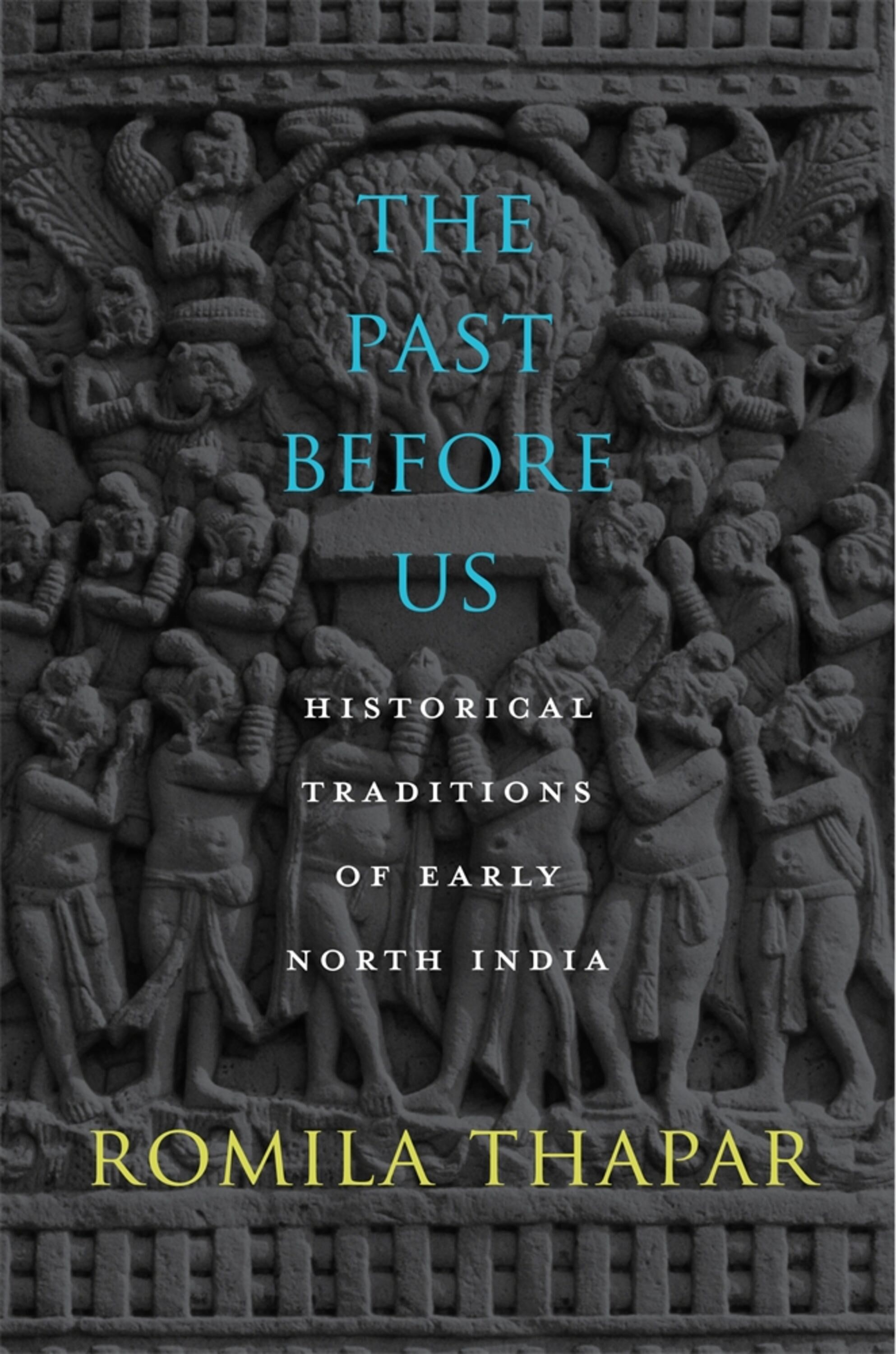
The past before us : historical traditions of early north India
\"An authority on thousands of years of India's past, Thapar has a rare and special perspective on the country it was and the country it is becoming.\" -- Financial Times Winner of the Kluge Prize Romila Thapar presents a sweeping survey of the historical traditions of North India, revealing a deep consciousness of history embedded in classical.
eBook
الهند : الألفية الثالثة
يقدم في هذا الكتاب أحد عشر عالما ومفكرا رؤية مستقبلية للهند، ويعرضون في هذا المجال التحديات الاقتصادية والاجتماعية والسياسية التي تواجه الهند لتكون لاعبا عالميا أساسيا، ولتنشئ فرصًا لتحسين حياة ظروف أكثر الناس فقرا وحرمانا في المجتمع، وتملك أيضا فرصا مهمة يمكن أن تجعل الهند في مصاف الدول المتقدمة، مثل النهضة العلمية والتقنية الكبيرة التي تتمتع بها الهند اليوم. تتوزع فصول الكتاب الخمسة عشر على الهوية والثقافة والتراث والبيئة والعلم والمساواة واللامساواة والحداثة والديمقراطية والمهمشين في الهند (الداليت) ومستقبل الماركسية وآفاق الرخاء والإعلام والمعلوماتية والدور العالمي للهند.
Book

The Past Before Us
The claim that India--uniquely among civilizations--lacks historical writing distracts us from a more pertinent question: how to recognize the historical sense of societies whose past is recorded in ways very different from European conventions. Romila Thapar, a distinguished scholar of ancient India, guides us through a panoramic survey of the historical traditions of North India, revealing a deep and sophisticated consciousness of history embedded in the diverse body of classical Indian literature. The history recorded in such texts as the Ramayana and the Mahabharata is less concerned with authenticating persons and events than with presenting a picture of traditions striving to retain legitimacy amid social change. Spanning an epoch from 1000 BCE to 1400 CE, Thapar delineates three strains of historical writing: an Itihasa-Purana tradition of Brahman authors; a tradition composed mainly by Buddhist and Jaina monks and scholars; and a popular bardic tradition. The Vedic corpus, the epics, the Buddhist canon and monastic chronicles, inscriptional evidence, regional accounts, and literary forms such as royal biographies and drama are all scrutinized afresh--not as sources to be mined for factual data but as genres that disclose how Indians of ancient times represented their own past to themselves.
eBook