
Catalogue Search | MBRL


Are you sure you want to remove the book from the shelf?

{{itemTitle}}
4
result(s) for
"Tierney, Kathleen J., author"
Sort by:

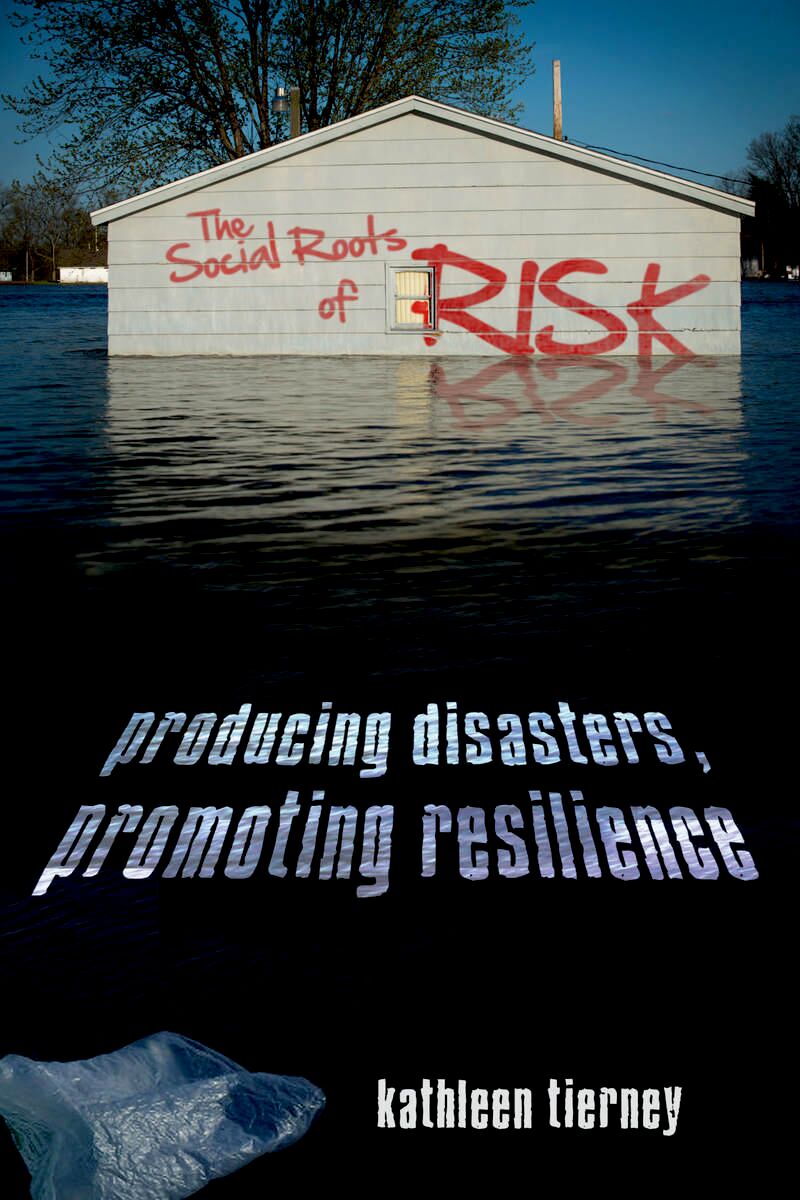
The social roots of risk : producing disasters, promoting resilience
The first decade of the 21st century saw a remarkable number of large-scale disasters. Earthquakes in Haiti and Sumatra underscored the serious economic consequences that catastrophic events can have on developing countries, while 9/11 and Hurricane Katrina showed that first world nations remain vulnerable.
The Social Roots of Risk argues against the widespread notion that cataclysmic occurrences are singular events, driven by forces beyond our control. Instead, Kathleen Tierney contends that disasters of all types—be they natural, technological, or economic—are rooted in common social and institutional sources. Put another way, risks and disasters are produced by the social order itself—by governing bodies, organizations, and groups that push for economic growth, oppose risk-reducing regulation, and escape responsibility for tremendous losses when they occur.
Considering a wide range of historical and looming events—from a potential mega-earthquake in Tokyo that would cause devastation far greater than what we saw in 2011, to BP's accident history prior to the 2010 blowout—Tierney illustrates trends in our behavior, connecting what seem like one-off events to illuminate historical patterns.
Like risk, human resilience also emerges from the social order, and this book makes a powerful case that we already have a significant capacity to reduce the losses that disasters produce. A provocative rethinking of the way that we approach and remedy disasters, The Social Roots of Risk leaves readers with a better understanding of how our own actions make us vulnerable to the next big crisis—and what we can do to prevent it.
eBook


Facing the Unexpected
Facing the Unexpected presents the wealth of information derived from disasters around the world over the past 25 years. The authors explore how these findings can improve disaster programs, identify remaining research needs, and discuss disaster within the broader context of sustainable development.
How do different people think about disaster? Are we more likely to panic or to respond with altruism? Why are 110 people killed in a Valujet crash considered disaster victims while the 50,000 killed annually in traffic accidents in the U.S. are not? At the crossroads of social, cultural, and economic factors, this book examines these and other compelling questions.
The authors review the influences that shape the U.S. governmental system for disaster planning and response, the effectiveness of local emergency agencies, and the level of professionalism in the field. They also compare technological versus natural disaster and examine the impact of technology on disaster programs.
eBook