
Catalogue Search | MBRL


Are you sure you want to remove the book from the shelf?

{{itemTitle}}
201
result(s) for
"Tonge, Jon"
Sort by:
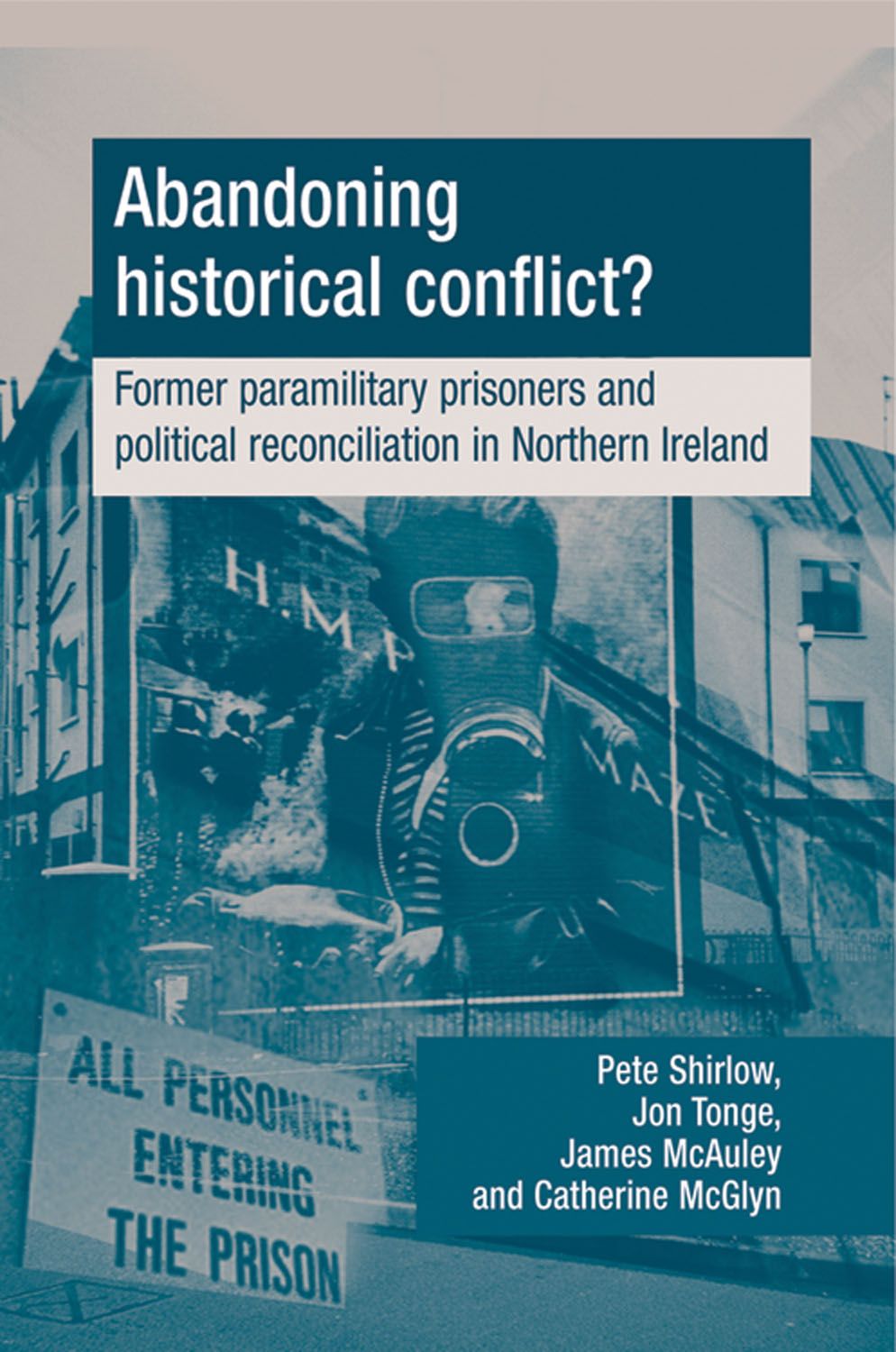
Abandoning historical conflict?
Drawing on over 150 interviews with former IRA, INLA, UVF and UFF prisoners, this is a major analysis of why Northern Ireland has seen a transition from war to peace. Most accounts of the peace process are ‘top-down’, relying upon the views of political elites. This book is ‘bottom-up’, analysing the voices of those who actually ‘fought the war’. What made them fight, why did they stop and what are the lessons for other conflict zones?Using unrivalled access to members of the armed groups, the book, available for the first time in paperback, offers a critical appraisal of one-dimensional accounts of the onset of peace, grounded in ‘mutually hurting stalemate’ and ‘ripeness’, which downgrade the political and economic aspects of conflict. Military stalemate had been evident since the early 1970s and offers little in explaining the timing of the peace process. Moreover, republicans and loyalists based their ceasefires upon very different perceptions of transformation or victory.Based on a Leverhulme Trust project and written by an expert team, Abandoning Conflict offers a new analysis, based on subtle interplays of military, political, economic and personal changes and experiences.
eBook
Abandoning historical conflict?
Drawing on over 150 interviews with former IRA, INLA, UVF and UFF prisoners, this is a major analysis of why Northern Ireland has seen a transition from war to peace. Most accounts of the peace process are ‘top-down’, relying upon the views of political elites. This book is ‘bottom-up’, analysing the voices of those who actually ‘fought the war’. What made them fight, why did they stop and what are the lessons for other conflict zones? Based on a Leverhulme Trust project and written by an expert team, the book offers a new analysis, based on subtle interplays of military, political, economic and personal changes and experiences. Combined, these allowed combatants to move from violence to peace whilst retaining core ideological beliefs and maintaining long-term constitutional visions.
eBook

Challenges for National Political Science Associations: The Political Studies Association of the UK
National political science associations in Europe face several important challenges. The growth of politics as a discipline means that they have become expanding organisations, attempting to cope with ever-larger memberships and remits. This article examines the particular challenges confronting the Political Studies Association of the UK, as it attempts to represent its members' interests. The particular challenges for the Association identified in this article are protection of research, amid concentration of funding, curriculum convergence via the Bologna process and the creation of horizontal links across Europe with other political science associations.
Journal Article
Abandoning historical conflict?: Former political prisoners and reconciliation in Northern Ireland: Former political prisoners and reconciliation in Northern Ireland
Drawing on over 150 interviews with former IRA, INLA, UVF and UFF prisoners, this is a major analysis of why Northern Ireland has seen a transition from war to peace. Most accounts of the peace process are 'top-down', relying upon the views of political elites. This book, available for the first time in paperback, is 'bottom-up', analysing the voices of those who actually 'fought the war'. What made them fight, why did they stop and what are the lessons for other conflict zones? Based on a Leverhulme Trust project and written by an expert team, the book offers a new analysis, based on subtle interplays of military, political, economic and personal changes and experiences. Combined, these allowed combatants to move from violence to peace whilst retaining core ideological beliefs and maintaining long-term constitutional visions.
eBook

Northern Ireland
Essential text for a 1 term/semester undergraduate course on Northern Ireland (usually a 2nd year option). Combines coverage of the historical context of the situation in Northern Ireland with a thorough examination of the contemporary political situation and the peace process. The book explores the issues behind the longevity of the conflict and provides a detailed analysis of the attempts to create a lasting peace in Northern Ireland.
1: The divided island 2: An 'Orange State'? Northern Ireland 1921-68 3: From civil rights to insurrection 4: Unionist politics 5: Nationalist politics 6: The Northern Ireland Assembly 7: Cross-borderism 8: Religion and identity 9: The search for political agreement 1972-84 10: The Anglo-Irish Agreement 11: The creation of the peace process 12: The Good Friday Agreement 13: A New Politics of Northern Ireland?
eBook
