
Catalogue Search | MBRL


Are you sure you want to remove the book from the shelf?

{{itemTitle}}
22,112
result(s) for
"Ware, A."
Sort by:
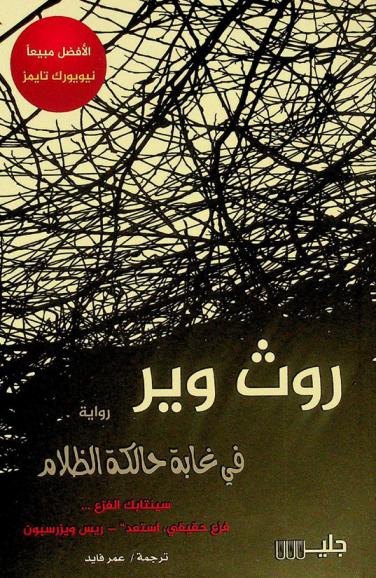
في غابة حالكة الظلام : رواية
في رواية الإثارة النفسية المليئة بالتشويق والإثارة والغموض التي كتبتها روث وير، والتي تدور أحداثها حول عطلة نهاية أسبوع دافئة وممتعة في الريف الإنجليزي، تتحول الأحداث إلى شيء مريب. ليونورا، المعروفة لدى البعض باسم لي والبعض الآخر باسم نورا، كاتبة جرائم منعزلة، لا ترغب في مغادرة \"عشها\" الذي يشبه شقتها إلا إذا كان ذلك ضروريا للغاية. عندما تدعوها صديقة لم ترها أو تتحدث معها منذ سنوات فجأة لقضاء عطلة نهاية الأسبوع في منزل زجاجي غريب في أعماق الريف الإنجليزي، توافق على مضض على القيام بالرحلة. بعد ثماني وأربعين ساعة، تستيقظ على سرير في المستشفى مصابة ولكنها على قيد الحياة، مع علمها بوفاة شخص ما. لا تتساءل \"ماذا حدث؟\" بل \"ماذا فعلت؟\"، تحاول نورا (لي؟) تجميع أحداث عطلة نهاية الأسبوع الماضية. في محاولة لكشف الأسرار والكشف عن الدوافع وإيجاد الإجابات، يجب على نورا (لي؟) أن تعيد النظر في أجزاء من نفسها كانت تفضل تركها مدفونة حيث تنتمي في الماضي.
BOOK

Cannabinoids for the Treatment of Chronic Non-Cancer Pain: An Updated Systematic Review of Randomized Controlled Trials
An updated systematic review of randomized controlled trials examining cannabinoids in the treatment of chronic non-cancer pain was conducted according to PRISMA guidelines for systematic reviews reporting on health care outcomes. Eleven trials published since our last review met inclusion criteria. The quality of the trials was excellent. Seven of the trials demonstrated a significant analgesic effect. Several trials also demonstrated improvement in secondary outcomes (e.g., sleep, muscle stiffness and spasticity). Adverse effects most frequently reported such as fatigue and dizziness were mild to moderate in severity and generally well tolerated. This review adds further support that currently available cannabinoids are safe, modestly effective analgesics that provide a reasonable therapeutic option in the management of chronic non-cancer pain.
Journal Article
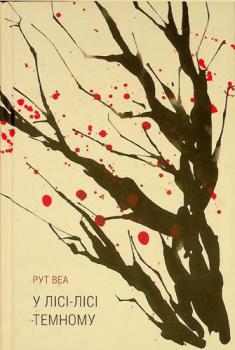
U lisi-lisi temnomy
\"What should be a cozy and fun-filled weekend deep in the English countryside takes a sinister turn in Ruth Ware's suspenseful, compulsive, and darkly twisted psychological thriller. Leonora, known to some as Lee and others as Nora, is a reclusive crime writer, unwilling to leave her \"nest\" of an apartment unless it is absolutely necessary. When a friend she hasn't seen or spoken to in years unexpectedly invites Nora (Lee?) to a weekend away in an eerie glass house deep in the English countryside, she reluctantly agrees to make the trip. Forty-eight hours later, she wakes up in a hospital bed injured but alive, with the knowledge that someone is dead. Wondering not \"what happened?\" but \"what have I done?\", Nora (Lee?) tries to piece together the events of the past weekend. Working to uncover secrets, reveal motives, and find answers, Nora (Lee?) must revisit parts of herself that she would much rather leave buried where they belong: in the past. In the tradition of Paula Hawkins's instant New York Times bestseller The Girl On the Train and S. J. Watson's riveting national sensation Before I Go To Sleep, this gripping literary debut from UK novelist Ruth Ware will leave you on the edge of your seat through the very last page\"-- Provided by publisher.
BOOK

Opioid-Sparing Effect of Cannabinoids: A Systematic Review and Meta-Analysis
Cannabinoids, when co-administered with opioids, may enable reduced opioid doses without loss of analgesic efficacy (ie, an opioid-sparing effect). The aim of this study was to conduct a systematic review to determine the opioid-sparing potential of cannabinoids. Eligible studies included pre-clinical and clinical studies for which the outcome was either analgesia or opioid dose requirements. Clinical studies included controlled studies and case series. We searched Scopus, Cochrane Database of Systematic Reviews, Medline, and Embase. Nineteen pre-clinical and nine clinical studies met the search criteria. Seventeen of the 19 pre-clinical studies provided evidence of synergistic effects from opioid and cannabinoid co-administration. Our meta-analysis of pre-clinical studies indicated that the median effective dose (ED
) of morphine administered in combination with delta-9-tetrahydrocannabinol (delta-9-THC) is 3.6 times lower (95% confidence interval (CI) 1.95, 6.76; n=6) than the ED
of morphine alone. In addition, the ED
for codeine administered in combination with delta-9-THC was 9.5 times lower (95% CI 1.6, 57.5, n=2) than the ED
of codeine alone. One case series (n=3) provided very-low-quality evidence of a reduction in opioid requirements with cannabinoid co-administration. Larger controlled clinical studies showed some clinical benefits of cannabinoids; however, opioid dose changes were rarely reported and mixed findings were observed for analgesia. In summary, pre-clinical studies provide robust evidence of the opioid-sparing effect of cannabinoids, whereas one of the nine clinical studies identified provided very-low-quality evidence of such an effect. Prospective high-quality-controlled clinical trials are required to determine the opioid-sparing effect of cannabinoids.
Journal Article

Green diatom mutants reveal an intricate biosynthetic pathway of fucoxanthin
Fucoxanthin is a major light-harvesting pigment in ecologically important algae such as diatoms, haptophytes, and brown algae (Phaeophyceae). Therefore, it is a major driver of global primary productivity. Species of these algal groups are brown colored because the high amounts of fucoxanthin bound to the proteins of their photosynthetic machineries enable efficient absorption of green light. While the structure of these fucoxanthin-chlorophyll proteins has recently been resolved, the biosynthetic pathway of fucoxanthin is still unknown. Here, we identified two enzymes central to this pathway by generating corresponding knockout mutants of the diatom Phaeodactylum tricornutum that are green due to the lack of fucoxanthin. Complementation of the mutants with the native genes or orthologs from haptophytes restored fucoxanthin biosynthesis. We propose a complete biosynthetic path to fucoxanthin in diatoms and haptophytes based on the carotenoid intermediates identified in the mutants and in vitro biochemical assays. It is substantially more complex than anticipated and reveals diadinoxanthin metabolism as the central regulatory hub connecting the photoprotective xanthophyll cycle and the formation of fucoxanthin. Moreover, our data show that the pathway evolved by repeated duplication and neofunctionalization of genes for the xanthophyll cycle enzymes violaxanthin de-epoxidase and zeaxanthin epoxidase. Brown algae lack diadinoxanthin and the genes described here and instead use an alternative pathway predicted to involve fewer enzymes. Our work represents a major step forward in elucidating the biosynthesis of fucoxanthin and understanding the evolution, biogenesis, and regulation of the photosynthetic machinery in algae.
Journal Article

Pharmacological Management of Chronic Neuropathic Pain: Revised Consensus Statement from the Canadian Pain Society
BACKGROUND: Neuropathic pain (NeP), redefined as pain caused by a lesion or a disease of the somatosensory system, is a disabling condition that affects approximately two million Canadians. OBJECTIVE: To review the randomized controlled trials (RCTs) and systematic reviews related to the pharmacological management of NeP to develop a revised evidence‐based consensus statement on its management. METHODS: RCTs, systematic reviews and existing guidelines on the pharmacological management of NeP were evaluated at a consensus meeting in May 2012 and updated until September 2013. Medications were recommended in the consensus statement if their analgesic efficacy was supported by at least one methodologically sound RCT (class I or class II) showing significant benefit relative to placebo or another relevant control group. Recommendations for treatment were based on the degree of evidence of analgesic efficacy, safety and ease of use. RESULTS: Analgesic agents recommended for first‐line treatments are gabapentinoids (gabapentin and pregabalin), tricyclic antidepressants and serotonin noradrenaline reuptake inhibitors. Tramadol and controlled‐release opioid analgesics are recommended as second‐line treatments for moderate to severe pain. Cannabinoids are now recommended as third‐line treatments. Recommended fourth‐line treatments include methadone, anticonvulsants with lesser evidence of efficacy (eg, lamotrigine, lacos‐amide), tapentadol and botulinum toxin. There is support for some analgesic combinations in selected NeP conditions. CONCLUSIONS: These guidelines provide an updated, stepwise approach to the pharmacological management of NeP. Treatment should be individualized for each patient based on efficacy, side‐effect profile and drug accessibility, including cost. Additional studies are required to examine head‐to‐head comparisons among analgesics, combinations of analgesics, long‐term outcomes and treatment of pediatric, geriatric and central NeP.
Journal Article

Frequency of cannabis and illicit opioid use among people who use drugs and report chronic pain: A longitudinal analysis
Ecological research suggests that increased access to cannabis may facilitate reductions in opioid use and harms, and medical cannabis patients describe the substitution of opioids with cannabis for pain management. However, there is a lack of research using individual-level data to explore this question. We aimed to investigate the longitudinal association between frequency of cannabis use and illicit opioid use among people who use drugs (PWUD) experiencing chronic pain.
This study included data from people in 2 prospective cohorts of PWUD in Vancouver, Canada, who reported major or persistent pain from June 1, 2014, to December 1, 2017 (n = 1,152). We used descriptive statistics to examine reasons for cannabis use and a multivariable generalized linear mixed-effects model to estimate the relationship between daily (once or more per day) cannabis use and daily illicit opioid use. There were 424 (36.8%) women in the study, and the median age at baseline was 49.3 years (IQR 42.3-54.9). In total, 455 (40%) reported daily illicit opioid use, and 410 (36%) reported daily cannabis use during at least one 6-month follow-up period. The most commonly reported therapeutic reasons for cannabis use were pain (36%), sleep (35%), stress (31%), and nausea (30%). After adjusting for demographic characteristics, substance use, and health-related factors, daily cannabis use was associated with significantly lower odds of daily illicit opioid use (adjusted odds ratio 0.50, 95% CI 0.34-0.74, p < 0.001). Limitations of the study included self-reported measures of substance use and chronic pain, and a lack of data for cannabis preparations, dosages, and modes of administration.
We observed an independent negative association between frequent cannabis use and frequent illicit opioid use among PWUD with chronic pain. These findings provide longitudinal observational evidence that cannabis may serve as an adjunct to or substitute for illicit opioid use among PWUD with chronic pain.
Journal Article

Smoked cannabis for chronic neuropathic pain: a randomized controlled trial
Chronic neuropathic pain affects 1%–2% of the adult population and is often refractory to standard pharmacologic treatment. Patients with chronic pain have reported using smoked cannabis to relieve pain, improve sleep and improve mood.
Adults with post-traumatic or postsurgical neuropathic pain were randomly assigned to receive cannabis at four potencies (0%, 2.5%, 6% and 9.4% tetrahydrocannabinol) over four 14-day periods in a crossover trial. Participants inhaled a single 25-mg dose through a pipe three times daily for the first five days in each cycle, followed by a nine-day washout period. Daily average pain intensity was measured using an 11-point numeric rating scale. We recorded effects on mood, sleep and quality of life, as well as adverse events.
We recruited 23 participants (mean age 45.4 [standard deviation 12.3] years, 12 women [52%]), of whom 21 completed the trial. The average daily pain intensity, measured on the 11-point numeric rating scale, was lower on the prespecified primary contrast of 9.4% v. 0% tetrahydrocannabinol (5.4 v. 6.1, respectively; difference = 0.7, 95% confidence interval [CI] 0.02−1.4). Preparations with intermediate potency yielded intermediate but nonsignificant degrees of relief. Participants receiving 9.4% tetrahydrocannabinol reported improved ability to fall asleep (easier, p = 0.001; faster, p < 0.001; more drowsy, p = 0.003) and improved quality of sleep (less wakefulness, p = 0.01) relative to 0% tetrahydrocannabinol. We found no differences in mood or quality of life. The most common drug-related adverse events during the period when participants received 9.4% tetrahydrocannabinol were headache, dry eyes, burning sensation in areas of neuropathic pain, dizziness, numbness and cough.
A single inhalation of 25 mg of 9.4% tetrahydrocannabinol herbal cannabis three times daily for five days reduced the intensity of pain, improved sleep and was well tolerated. Further long-term safety and efficacy studies are indicated. (International Standard Randomised Controlled Trial Register no. ISRCTN68314063)
Journal Article

Photoprotective capacity of non-photochemical quenching in plants acclimated to different light intensities
Arabidopsis plants grown at low light were exposed to a gradually increasing actinic light routine. This method allows for the discerning of the photoprotective component of NPQ, pNPQ and photoinhibition. They exhibited lower values of Photosystem II (PSII) yield in comparison to high-light grown plants, and higher calculated dark fluorescence level (F′ₒ cₐₗc.) than the measured one (F′ₒ ₐcₜ.). As a result, in low-light grown plants, the values of qP measured in the dark appeared higher than 1. Normally, F′ₒ ₐcₜ. and F′ₒ cₐₗc. match well at moderate light intensities but F′ₒ ₐcₜ. becomes higher at increasing intensities due to reaction centre (RCII) damage; this indicates the onset of photoinhibition. To explain the unusual increase of qP in the dark in low-light grown plants, we have undertaken an analysis of PSII antenna size using biochemical and spectroscopic approaches. Sucrose gradient separation of thylakoid membrane complexes and fast fluorescence induction experiments illustrated that the relative PSII cross section does not increase appreciably with the rise in PSII antenna size in the low-light grown plants. This suggests that part of the increased LHCII antenna is less efficiently coupled to the RCII. A model based upon the existence of an uncoupled population LHCII is proposed to explain the discrepancies in calculated and measured values of F′ₒ.
Journal Article

Mitochondrial DNA signals driving immune responses: Why, How, Where?
There has been a recent expansion in our understanding of DNA-sensing mechanisms. Mitochondrial dysfunction, oxidative and proteostatic stresses, instability and impaired disposal of nucleoids cause the release of mitochondrial DNA (mtDNA) from the mitochondria in several human diseases, as well as in cell culture and animal models. Mitochondrial DNA mislocalized to the cytosol and/or the extracellular compartments can trigger innate immune and inflammation responses by binding DNA-sensing receptors (DSRs). Here, we define the features that make mtDNA highly immunogenic and the mechanisms of its release from the mitochondria into the cytosol and the extracellular compartments. We describe the major DSRs that bind mtDNA such as cyclic guanosine-monophosphate-adenosine-monophosphate synthase (cGAS), Z-DNA-binding protein 1 (ZBP1), NOD-, LRR-, and PYD- domain-containing protein 3 receptor (NLRP3), absent in melanoma 2 (AIM2) and toll-like receptor 9 (TLR9), and their downstream signaling cascades. We summarize the key findings, novelties, and gaps of mislocalized mtDNA as a driving signal of immune responses in vascular, metabolic, kidney, lung, and neurodegenerative diseases, as well as viral and bacterial infections. Finally, we define common strategies to induce or inhibit mtDNA release and propose challenges to advance the field.
Journal Article