
Catalogue Search | MBRL


Are you sure you want to remove the book from the shelf?

{{itemTitle}}
3
result(s) for
"Warren, Charles, 1948-"
Sort by:

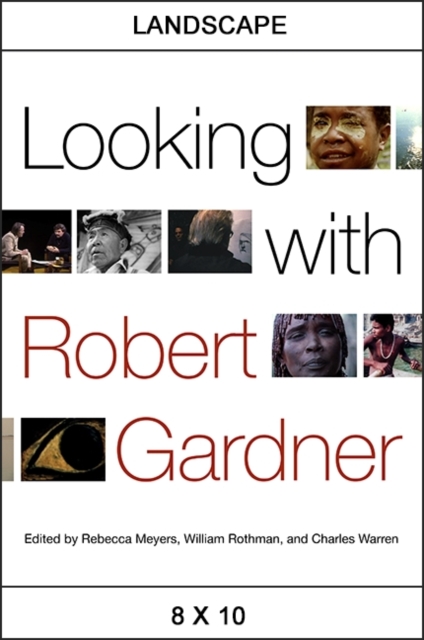
Looking with Robert Gardner
During his lifetime, Robert Gardner (1925-2014) was often
pigeonholed as an ethnographic filmmaker, then criticized for
failing to conform to the genre's conventions-conventions he
radically challenged. With the release of his groundbreaking film
Dead Birds in 1963, Gardner established himself as one of
the world's most extraordinary independent filmmakers, working in a
unique border area between ethnography, the essay film, and
poetic/experimental cinema. Richly illustrated, Looking with
Robert Gardner assesses the range and magnitude of Gardner's
achievements not only as a filmmaker but also as a still
photographer, writer, educator, and champion of independent cinema.
The contributors give critical attention to Gardner's most
ambitious films, such as Dead Birds (1963, New Guinea),
Rivers of Sand (1975, Ethiopia), and Forest of
Bliss (1986, India), as well as lesser-known films that
equally exemplify his mode of seeking anthropological understanding
through artistic means. They also attend to his films about
artists, including his self-depiction in Still Journey OnM
(2011); to his roots in experimental film and his employment of
experimental procedures; and to his support of independent
filmmakers through the Harvard Film Study Center and the television
series Screening Room , which provided an opportunity for
numerous important film and video artists to present and discuss
their work.
eBook
