
Catalogue Search | MBRL


Are you sure you want to remove the book from the shelf?

{{itemTitle}}
22
result(s) for
"Warrick, Phil"
Sort by:
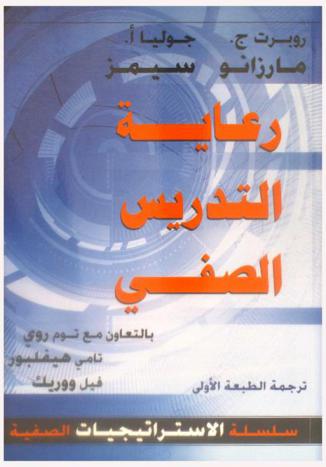
رعاية التدريس الصفي
ما المقصود بـ \"رعاية المعلمين ماذا تقول الأبحاث عن أهمية رعاية المعلمين ما هي عناصر التعليم الفعال الواحد والأربعون كيف يستطيع رعاة المعلمين مساعدة المعلمين (صفوف الروضة-12 (في توظيف عناصر التعليم الفعال الواحد والأربعين مستخدمين 280 استراتيجية تعليمية أثبتت الأبحاث نجاحها تقدم المدارس والمناطق التعليمية من خلالها الرعاية للمعلمين ما هي الطرق التي يمكن أن كيف تقدم تغذية راجعة محددة للمعمين تمكنهم من تحسين معرفتهم ومهاراتهم ؟ كتاب لا غنى عنه للرعاة، المشرفين التربويين، القادة التربويين، وفرق المعلمين من أجل دعم النمو المهني لدى المعلمين وتزويدهم باستراتيجيات محددة وأخرى شاملة تستجيب لاحتياجات الطلاب. وصف مفصل لواحد وأربعين عنصرا ومائتين وثمانين استراتيجية للتعليم الفعال ! كنز رائع.
BOOK
Collaborative teams that transform schools : the next step in PLCs
Discover a practical, comprehensive model of effective professional learning communities. In this user-friendly guide, educators explore research-based steps and strategies designed to increase the effectiveness of collaborative teams and enhance PLCs. Examine how the PLC process can transform critical components of education—including curriculum, assessment, instruction, and teacher development—and use reproducible agendas, scales, and checklists to improve schoolwide practices.
eBook

Get it right the first time
Getting initial instruction right is essential for improving student and teacher efficacy. Teachers are more likely to hit the mark when they work with colleagues to unpack the standards before instruction. By designing what the authors call a “proficiency scale,” and aligning instructional strategies for the varied levels, teachers can design lessons that better meet student needs.
Journal Article

Leading a high reliability school
How do educators build High Reliability Schools (TM) (HRS) and boost academic achievement? By implementing interdependent systems of operation and performance assessment for student-centered learning. A critical commitment to becoming an HRS is the PLC at Work (TM) process of collaborative learning and teaching. This user-friendly teaching resource focuses on: (1) a safe and collaborative culture, (2) effective teaching in every classroom, (3) a guaranteed and viable curriculum, (4) standards-referenced reporting of student progress (standards-based grading), and (5) a competency-based system. Marzano, Warrick, Rains, and DuFour will help you: Increase school effectiveness through a focus on student-centered learning and the implementation of research-based leading indicators of operation. Monitor effective practices through the use of lagging indicators and quick data sources. Explore the three big ideas associated with the PLC at Work (TM) process to implement student-centered learning, collaborative teaching strategies, and data-driven instruction. Engage in periodic reflection on effective school leadership and instructional coaching practices. Understand how to balance and achieve school and district goals using data to improve students' academic achievement and college- and career-readiness skills. (Verlag).
Book

School Leader's Guide to Standards-Based Grading
Accurately report students' academic strengths and weaknesses with standards-based grading.Rather than using traditional systems that incorporate nonacademic factors such as attendance and behavior, learn to assess and report student performance based on prioritized standards.
eBook