
Catalogue Search | MBRL


Are you sure you want to remove the book from the shelf?

{{itemTitle}}
6,235
result(s) for
"William, Timothy"
Sort by:
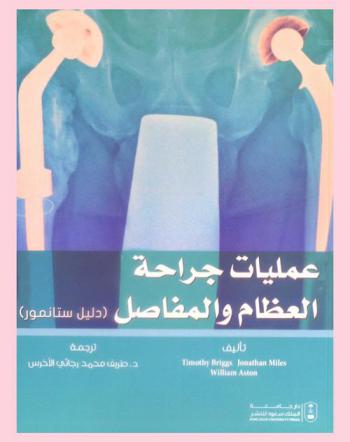
عمليات جراحة العظام والمفاصل : (دليل ستانمور)
يعد هذا الكتاب مرشدا في عمليات جراحة العظام. وقد تضمن كل فصل التقنية الجراحية والمضاعفات المحتملة لكل عملية مع طريقة أخذ الموافقة على العملية من المريض وموانع استعمال كل عملية. وفي نهاية كل فصل عدة أسئلة تقدم للاختبارات الشفهية للمتدربين الذين يودون التقدم لاختبارات الزمالة البريطانية في جراحة العظام. قام بتأليف هذا الكتاب مجموعة من الاستشاريين في جراحة العظام من جامعة ستانمور في بريطانيا. وترجم للعربية ليسهل على الناطقين بالعربية الاستفادة منه ويكون مرجعا لمن أراد أن يساهم في نقل العلوم من لغاتها الأم إلى اللغة العربية.
BOOK

Rethinking the evidence for early horse domestication at Botai
Despite its transformative impact on human history, the early domestication of the horse (
Equus caballus
) remains exceedingly difficult to trace in the archaeological record. In recent years, a scientific consensus emerged linking the Botai culture of northern Kazakhstan with the first domestication of horses, based on compelling but largely indirect archaeological evidence. A cornerstone of the archaeological case for domestication at Botai is damage to the dentition commonly linked with the use of bridle mouthpieces, or “bit wear.” Recent archaeogenetic analyses reveal, however, that horse remains from Botai are not modern domesticates but instead the Przewalski’s horse,
E. przewalskii
—warranting reevaluation of evidence for domestication. Here, we compare osteological traits hypothesized to have been caused by horse transport at Botai with wild Pleistocene equids in North America. Our results suggest that damage observed in Botai horse teeth is likely generated by natural disturbances in dental development and wear, rather than through contact with bridle equipment. In light of a careful reconsideration of the mid-Holocene archaeological record of northern Eurasia, we suggest that archaeological materials from Botai are most effectively explained through the regularized mass harvesting of wild Przewalski’s’ horses—meaning that the origins of horse domestication may lie elsewhere.
Journal Article

The British Army and the First World War
\"This is a major new history of the British army during the Great War written by three leading military historians. Ian Beckett, Timothy Bowman and Mark Connelly survey operations on the Western Front and throughout the rest of the world as well as the army's social history, pre-war and wartime planning and strategy, the maintenance of discipline and morale and the lasting legacy of the First World War on the army's development. They assess the strengths and weaknesses of the army between 1914 and 1918, engaging with key debates around the adequacy of British generalship and whether or not there was a significant 'learning curve' in terms of the development of operational art during the course of the war. Their findings show how, despite limitations of initiative and innovation amongst the high command, the British army did succeed in developing the effective combined arms warfare necessary for victory in 1918\"-- Provided by publisher.
Book

Identifying and combating the impacts of COVID-19 on malaria
Background
The COVID-19 pandemic has resulted in millions of infections, hundreds of thousands of deaths and major societal disruption due to lockdowns and other restrictions introduced to limit disease spread. Relatively little attention has been paid to understanding how the pandemic has affected treatment, prevention and control of malaria, which is a major cause of death and disease and predominantly affects people in less well-resourced settings.
Main body
Recent successes in malaria control and elimination have reduced the global malaria burden, but these gains are fragile and progress has stalled in the past 5 years. Withdrawing successful interventions often results in rapid malaria resurgence, primarily threatening vulnerable young children and pregnant women. Malaria programmes are being affected in many ways by COVID-19. For prevention of malaria, insecticide-treated nets need regular renewal, but distribution campaigns have been delayed or cancelled. For detection and treatment of malaria, individuals may stop attending health facilities, out of fear of exposure to COVID-19, or because they cannot afford transport, and health care workers require additional resources to protect themselves from COVID-19. Supplies of diagnostics and drugs are being interrupted, which is compounded by production of substandard and falsified medicines and diagnostics. These disruptions are predicted to double the number of young African children dying of malaria in the coming year and may impact efforts to control the spread of drug resistance. Using examples from successful malaria control and elimination campaigns, we propose strategies to re-establish malaria control activities and maintain elimination efforts in the context of the COVID-19 pandemic, which is likely to be a long-term challenge. All sectors of society, including governments, donors, private sector and civil society organisations, have crucial roles to play to prevent malaria resurgence. Sparse resources must be allocated efficiently to ensure integrated health care systems that can sustain control activities against COVID-19 as well as malaria and other priority infectious diseases.
Conclusion
As we deal with the COVID-19 pandemic, it is crucial that other major killers such as malaria are not ignored. History tells us that if we do, the consequences will be dire, particularly in vulnerable populations.
Journal Article

The last card : inside George W. Bush's decision to surge in Iraq
\"An oral history of President George W. Bush's decision to surge troops to Iraq, accompanied by scholarly analysis by leading scholars of international security and presidential history\"-- Provided by publisher.
BOOK

Allelic contribution of Nrxn1α to autism-relevant behavioral phenotypes in mice
Copy number variations (CNVs) in the Neurexin 1 ( NRXN1 ) gene, which encodes a presynaptic protein involved in neurotransmitter release, are some of the most frequently observed single-gene variants associated with autism spectrum disorder (ASD). To address the functional contribution of NRXN1 CNVs to behavioral phenotypes relevant to ASD, we carried out systematic behavioral phenotyping of an allelic series of Nrxn1 mouse models: one carrying promoter and exon 1 deletion abolishing Nrxn1 α transcription, one carrying exon 9 deletion disrupting Nrxn1 α protein translation, and one carrying an intronic deletion with no observable effect on Nrxn1 α expression. We found that homozygous loss of Nrxn1 α resulted in enhanced aggression in males, reduced affiliative social behaviors in females, and significantly altered circadian activities in both sexes. Heterozygous or homozygous loss of Nrxn1 α affected the preference for social novelty in male mice, and notably, enhanced repetitive motor skills and motor coordination in both sexes. In contrast, mice bearing an intronic deletion of Nrxn1 did not display alterations in any of the behaviors assessed. These findings demonstrate the importance of Nrxn1 α gene dosage in regulating social, circadian, and motor functions, and the variables of sex and genomic positioning of CNVs in the expression of autism-related phenotypes. Importantly, mice with heterozygous loss of Nrxn1 , as found in numerous autistic individuals, show an elevated propensity to manifest autism-related phenotypes, supporting the use of models with this genomic architecture to study ASD etiology and assess additional genetic variants associated with autism.
Journal Article


Bronze Age population dynamics and the rise of dairy pastoralism on the eastern Eurasian steppe
Recent paleogenomic studies have shown that migrations of Western steppe herders (WSH) beginning in the Eneolithic (ca. 3300–2700 BCE) profoundly transformed the genes and cultures of Europe and central Asia. Compared with Europe, however, the eastern extent of this WSH expansion is not well defined. Here we present genomic and proteomic data from 22 directly dated Late Bronze Age burials putatively associated with early pastoralism in northern Mongolia (ca. 1380–975 BCE). Genome-wide analysis reveals that they are largely descended from a population represented by Early Bronze Age hunter-gatherers in the Baikal region, with only a limited contribution (∼7%) of WSH ancestry. At the same time, however, mass spectrometry analysis of dental calculus provides direct protein evidence of bovine, sheep, and goat milk consumption in seven of nine individuals. No individuals showed molecular evidence of lactase persistence, and only one individual exhibited evidence of >10% WSH ancestry, despite the presence of WSH populations in the nearby Altai-Sayan region for more than a millennium. Unlike the spread of Neolithic farming in Europe and the expansion of Bronze Age pastoralism on the Western steppe, our results indicate that ruminant dairy pastoralism was adopted on the Eastern steppe by local hunter-gatherers through a process of cultural transmission and minimal genetic exchange with outside groups.
Journal Article

Leveraging the past to prepare for the future of Air Force intelligence analysis
\"This report describes steps the U.S. Air Force can take to help ensure that it has the capability needed to provide intelligence analysis support to a broad range of service and combatant commander needs, including support to ongoing irregular warfare operations, and to conventional warfare with a near-peer competitor. It describes lessons from past operations that have direct implications for Air Force intelligence analysis or that Air Force intelligence analysis could help to address. It also describes future challenges for Air Force intelligence analysis. It makes recommendations related to doctrine, training and career field development, analysis tools, and processes that can help to address the lessons from the past and prepare Air Force intelligence analysts for the challenges of the future\"--Publisher's description.
Book

The impact of delayed treatment of uncomplicated P. falciparum malaria on progression to severe malaria: A systematic review and a pooled multicentre individual-patient meta-analysis
Delay in receiving treatment for uncomplicated malaria (UM) is often reported to increase the risk of developing severe malaria (SM), but access to treatment remains low in most high-burden areas. Understanding the contribution of treatment delay on progression to severe disease is critical to determine how quickly patients need to receive treatment and to quantify the impact of widely implemented treatment interventions, such as 'test-and-treat' policies administered by community health workers (CHWs). We conducted a pooled individual-participant meta-analysis to estimate the association between treatment delay and presenting with SM.
A search using Ovid MEDLINE and Embase was initially conducted to identify studies on severe Plasmodium falciparum malaria that included information on treatment delay, such as fever duration (inception to 22nd September 2017). Studies identified included 5 case-control and 8 other observational clinical studies of SM and UM cases. Risk of bias was assessed using the Newcastle-Ottawa scale, and all studies were ranked as 'Good', scoring ≥7/10. Individual-patient data (IPD) were pooled from 13 studies of 3,989 (94.1% aged <15 years) SM patients and 5,780 (79.6% aged <15 years) UM cases in Benin, Malaysia, Mozambique, Tanzania, The Gambia, Uganda, Yemen, and Zambia. Definitions of SM were standardised across studies to compare treatment delay in patients with UM and different SM phenotypes using age-adjusted mixed-effects regression. The odds of any SM phenotype were significantly higher in children with longer delays between initial symptoms and arrival at the health facility (odds ratio [OR] = 1.33, 95% CI: 1.07-1.64 for a delay of >24 hours versus ≤24 hours; p = 0.009). Reported illness duration was a strong predictor of presenting with severe malarial anaemia (SMA) in children, with an OR of 2.79 (95% CI:1.92-4.06; p < 0.001) for a delay of 2-3 days and 5.46 (95% CI: 3.49-8.53; p < 0.001) for a delay of >7 days, compared with receiving treatment within 24 hours from symptom onset. We estimate that 42.8% of childhood SMA cases and 48.5% of adult SMA cases in the study areas would have been averted if all individuals were able to access treatment within the first day of symptom onset, if the association is fully causal. In studies specifically recording onset of nonsevere symptoms, long treatment delay was moderately associated with other SM phenotypes (OR [95% CI] >3 to ≤4 days versus ≤24 hours: cerebral malaria [CM] = 2.42 [1.24-4.72], p = 0.01; respiratory distress syndrome [RDS] = 4.09 [1.70-9.82], p = 0.002). In addition to unmeasured confounding, which is commonly present in observational studies, a key limitation is that many severe cases and deaths occur outside healthcare facilities in endemic countries, where the effect of delayed or no treatment is difficult to quantify.
Our results quantify the relationship between rapid access to treatment and reduced risk of severe disease, which was particularly strong for SMA. There was some evidence to suggest that progression to other severe phenotypes may also be prevented by prompt treatment, though the association was not as strong, which may be explained by potential selection bias, sample size issues, or a difference in underlying pathology. These findings may help assess the impact of interventions that improve access to treatment.
Journal Article