
Catalogue Search | MBRL


Are you sure you want to remove the book from the shelf?

{{itemTitle}}
25
result(s) for
"William F. McCants"
Sort by:
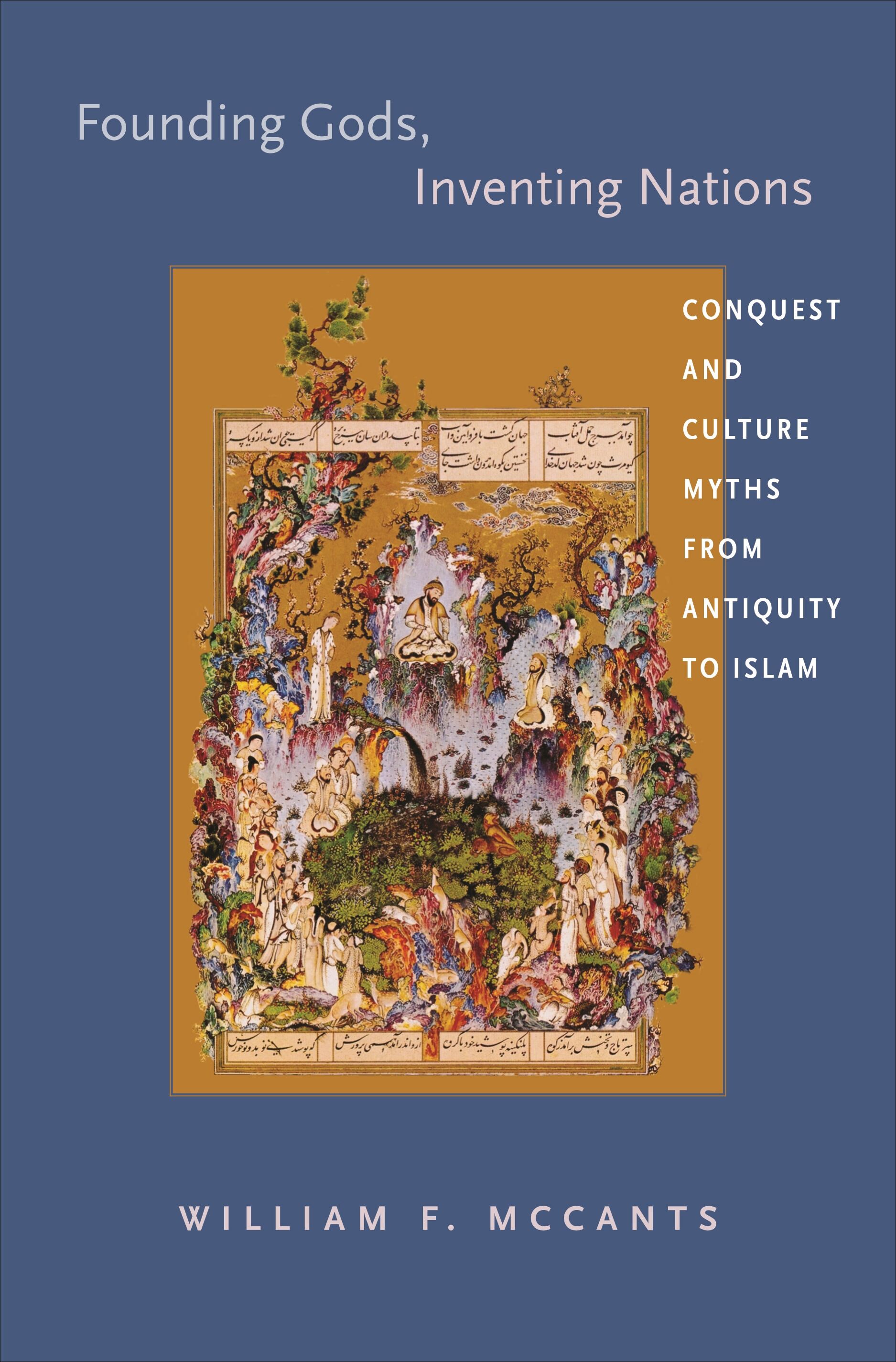
Founding gods, inventing nations
From the dawn of writing in Sumer to the sunset of the Islamic empire, Founding Gods, Inventing Nations traces four thousand years of speculation on the origins of civilization. Investigating a vast range of primary sources, some of which are translated here for the first time, and focusing on the dynamic influence of the Greek, Roman, and Arab conquests of the Near East, William McCants looks at the ways the conquerors and those they conquered reshaped their myths of civilization's origins in response to the social and political consequences of empire.
eBook

Who Was First?
The arab conquest of the Near East in the seventh century spurred intensive writing about cultural milestones, formalized in lists of “firsts” (Ar.awā’il) in the ninth century, establishing an Arabic genre of the same name. Although the Muslims may have been indebted to the Greeks and Romans for the form of these lists, they did not preserve any Greco-Roman lore in them, drawing instead from Judeo-Christian, Arab, and Iranian legends. Nevertheless, the social dynamics that led to the rise of the genre in Greece and its maintenance in Rome—intense cultural innovation, borrowing, and competition—were also found in
Book Chapter
The Sciences of the Ancients
In addition to encouraging Iranians to record the history of their ancient kings, the move of the capital of the Islamic empire to Baghdad in the mid-eighth century AD had a second major consequence for the Muslim debate about the origins of culture: the translation of Greek scientific texts into Arabic. The new dynasty, the ʽAbbāsids, styled themselves as model Iranian kings, and since being a good Iranian king meant supporting the translation of scientific texts, they patronized the translation of Greek scientific texts into Arabic.¹ The choice of texts was guided by the practical considerations of the ruling elite—
Book Chapter
The Beneficent Sky God
When the arabs conquered the Near East, they shared with their subjects (mainly Jews and Christians) the notion that civilization had arisen as a consequence of Adam’s fall. But in contrast to the Hebrew Bible, the Qur’an portrays the rise of civilization positively and makes God its prime mover, much like the gods of ancient Near Eastern myths. There are at least two reasons for this difference. First, Muhammad draws on noncanonical biblical scripture and storytelling that link God, angels, and chosen human interlocutors to the development of beneficial arts and sciences.¹ These scriptures and stories were written after Alexander’s
Book Chapter