
Catalogue Search | MBRL


Are you sure you want to remove the book from the shelf?

{{itemTitle}}
1,791
result(s) for
"Wilson, Kenneth"
Sort by:
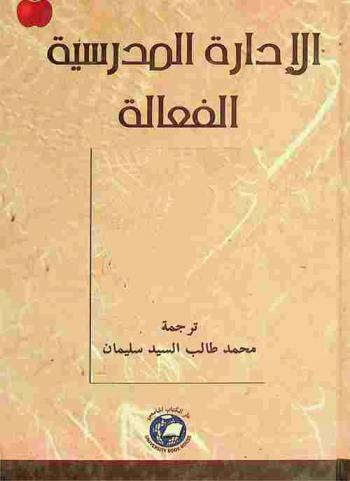
الإدارة المدرسية الفعالة
يتناول كتاب (الإدارة المدرسية الفعالة) والذي قام بتأليفه (K. B. Everard, Geoffrey Morris, Ian Wilson) في حوالي (454) صفحة من القطع المتوسط موضوع (إدارة وتنظيم المدارس) مستعرضا عدة موضوعات أهمها تحت العناوين التالية : المدير والمؤسسة، المدير قائدا، المهارات الاجتماعية، نماذج الأساليب الإدارية، الإعداد والسلوك، إدارة التحول، بنية إدارة التحول، تطبيق شخصي، مهام لإدارة التحول، إعداد خطة، تطبيق شخصي.
Book

Genetic and metabolomic architecture of variation in diet restriction-mediated lifespan extension in Drosophila
In most organisms, dietary restriction (DR) increases lifespan. However, several studies have found that genotypes within the same species vary widely in how they respond to DR. To explore the mechanisms underlying this variation, we exposed 178 inbred Drosophila melanogaster lines to a DR or ad libitum (AL) diet, and measured a panel of 105 metabolites under both diets. Twenty four out of 105 metabolites were associated with the magnitude of the lifespan response. These included proteinogenic amino acids and metabolites involved in α-ketoglutarate (α-KG)/glutamine metabolism. We confirm the role of α-KG/glutamine synthesis pathways in the DR response through genetic manipulations. We used covariance network analysis to investigate diet-dependent interactions between metabolites, identifying the essential amino acids threonine and arginine as \"hub\" metabolites in the DR response. Finally, we employ a novel metabolic and genetic bipartite network analysis to reveal multiple genes that influence DR lifespan response, some of which have not previously been implicated in DR regulation. One of these is CCHa2R, a gene that encodes a neuropeptide receptor that influences satiety response and insulin signaling. Across the lines, variation in an intronic single nucleotide variant of CCHa2R correlated with variation in levels of five metabolites, all of which in turn were correlated with DR lifespan response. Inhibition of adult CCHa2R expression extended DR lifespan of flies, confirming the role of CCHa2R in lifespan response. These results provide support for the power of combined genomic and metabolomic analysis to identify key pathways underlying variation in this complex quantitative trait.
Journal Article

Stochasticity in Natural Forage Production Affects Use of Urban Areas by Black Bears: Implications to Management of Human-Bear Conflicts
The rapid expansion of global urban development is increasing opportunities for wildlife to forage and become dependent on anthropogenic resources. Wildlife using urban areas are often perceived dichotomously as urban or not, with some individuals removed in the belief that dependency on anthropogenic resources is irreversible and can lead to increased human-wildlife conflict. For American black bears (Ursus americanus), little is known about the degree of bear urbanization and its ecological mechanisms to guide the management of human-bear conflicts. Using 6 years of GPS location and activity data from bears in Aspen, Colorado, USA, we evaluated the degree of bear urbanization and the factors that best explained its variations. We estimated space use, activity patterns, survival, and reproduction and modeled their relationship with ecological covariates related to bear characteristics and natural food availability. Space use and activity patterns were dependent on natural food availability (good or poor food years), where bears used higher human density areas and became more nocturnal in poor food years. Patterns were reversible, i.e., individuals using urban areas in poor food years used wildland areas in subsequent good food years. While reproductive output was similar across years, survival was lower in poor food years when bears used urban areas to a greater extent. Our findings suggest that bear use of urban areas is reversible and fluctuates with the availability of natural food resources, and that removal of urban individuals in times of food failures has the potential to negatively affect bear populations. Given that under current predictions urbanization is expected to increase by 11% across American black bear range, and that natural food failure years are expected to increase in frequency with global climate change, alternative methods of reducing urban human-bear conflict are required if the goal is to prevent urban areas from becoming population sinks.
Journal Article
Dietary restriction improves intestinal cellular fitness to enhance gut barrier function and lifespan in D. melanogaster
Loss of gut integrity is linked to various human diseases including inflammatory bowel disease. However, the mechanisms that lead to loss of barrier function remain poorly understood. Using D. melanogaster, we demonstrate that dietary restriction (DR) slows the age-related decline in intestinal integrity by enhancing enterocyte cellular fitness through up-regulation of dMyc in the intestinal epithelium. Reduction of dMyc in enterocytes induced cell death, which leads to increased gut permeability and reduced lifespan upon DR. Genetic mosaic and epistasis analyses suggest that cell competition, whereby neighboring cells eliminate unfit cells by apoptosis, mediates cell death in enterocytes with reduced levels of dMyc. We observed that enterocyte apoptosis was necessary for the increased gut permeability and shortened lifespan upon loss of dMyc. Furthermore, moderate activation of dMyc in the post-mitotic enteroblasts and enterocytes was sufficient to extend health-span on rich nutrient diets. We propose that dMyc acts as a barometer of enterocyte cell fitness impacting intestinal barrier function in response to changes in diet and age.
Journal Article
A conserved role of the insulin-like signaling pathway in diet-dependent uric acid pathologies in Drosophila melanogaster
Elevated uric acid (UA) is a key risk factor for many disorders, including metabolic syndrome, gout and kidney stones. Despite frequent occurrence of these disorders, the genetic pathways influencing UA metabolism and the association with disease remain poorly understood. In humans, elevated UA levels resulted from the loss of the of the urate oxidase (Uro) gene around 15 million years ago. Therefore, we established a Drosophila melanogaster model with reduced expression of the orthologous Uro gene to study the pathogenesis arising from elevated UA. Reduced Uro expression in Drosophila resulted in elevated UA levels, accumulation of concretions in the excretory system, and shortening of lifespan when reared on diets containing high levels of yeast extract. Furthermore, high levels of dietary purines, but not protein or sugar, were sufficient to produce the same effects of shortened lifespan and concretion formation in the Drosophila model. The insulin-like signaling (ILS) pathway has been shown to respond to changes in nutrient status in several species. We observed that genetic suppression of ILS genes reduced both UA levels and concretion load in flies fed high levels of yeast extract. Further support for the role of the ILS pathway in modulating UA metabolism stems from a human candidate gene study identifying SNPs in the ILS genes AKT2 and FOXO3 being associated with serum UA levels or gout. Additionally, inhibition of the NADPH oxidase (NOX) gene rescued the reduced lifespan and concretion phenotypes in Uro knockdown flies. Thus, components of the ILS pathway and the downstream protein NOX represent potential therapeutic targets for treating UA associated pathologies, including gout and kidney stones, as well as extending human healthspan.
Journal Article
Carrot or the Stick? Evaluation of Education and Enforcement as Management Tools for Human-Wildlife Conflicts
Evidence-based decision-making is critical for implementing conservation actions, especially for human-wildlife conflicts, which have been increasing worldwide. Conservation practitioners recognize that long-term solutions should include altering human behaviors, and public education and enforcement of wildlife-related laws are two management actions frequently implemented, but with little empirical evidence evaluating their success. We used a system where human-black bear conflicts were common, to experimentally test the efficacy of education and enforcement in altering human behavior to better secure attractants (garbage) from bears. We conducted 3 experiments in Aspen CO, USA to evaluate: 1) on-site education in communal dwellings and construction sites, 2) Bear Aware educational campaign in residential neighborhoods, and 3) elevated law enforcement at two levels in the core business area of Aspen. We measured human behaviors as the response including: violation of local wildlife ordinances, garbage availability to bears, and change in use of bear-resistance refuse containers. As implemented, we found little support for education, or enforcement in the form of daily patrolling in changing human behavior, but found more support for proactive enforcement, i.e., dispensing warning notices. More broadly we demonstrated the value of gathering evidence before and after implementing conservation actions, and the dangers of measuring responses in the absence of ecological knowledge. We recommend development of more effective educational methods, application of proactive enforcement, and continued evaluation of tools by directly measuring change in human behavior. We provide empirical evidence adding to the conservation managers' toolbox, informing policy makers, and promoting solutions to human-wildlife conflicts.
Journal Article

Longitudinal fundus imaging and its genome-wide association analysis provide evidence for a human retinal aging clock
Biological age, distinct from an individual’s chronological age, has been studied extensively through predictive aging clocks. However, these clocks have limited accuracy in short time-scales. Here we trained deep learning models on fundus images from the EyePACS dataset to predict individuals’ chronological age. Our retinal aging clocking, ‘eyeAge’, predicted chronological age more accurately than other aging clocks (mean absolute error of 2.86 and 3.30 years on quality-filtered data from EyePACS and UK Biobank, respectively). Additionally, eyeAge was independent of blood marker-based measures of biological age, maintaining an all-cause mortality hazard ratio of 1.026 even when adjusted for phenotypic age. The individual-specific nature of eyeAge was reinforced via multiple GWAS hits in the UK Biobank cohort. The top GWAS locus was further validated via knockdown of the fly homolog, Alk , which slowed age-related decline in vision in flies. This study demonstrates the potential utility of a retinal aging clock for studying aging and age-related diseases and quantitatively measuring aging on very short time-scales, opening avenues for quick and actionable evaluation of gero-protective therapeutics.
Journal Article

Novel partiti-like viruses are conditional mutualistic symbionts in their normal lepidopteran host, African armyworm, but parasitic in a novel host, Fall armyworm
Recent advances in next generation sequencing (NGS) (e.g. metagenomic and transcriptomic sequencing) have facilitated the discovery of a large number of new insect viruses, but the characterization of these viruses is still in its infancy. Here, we report the discovery, using RNA-seq, of three new partiti-like viruses from African armyworm, Spodoptera exempta (Lepidoptera: Noctuidae), which are all vertically-transmitted transovarially from mother to offspring with high efficiency. Experimental studies show that the viruses reduce their host's growth rate and reproduction, but enhance their resistance to a nucleopolyhedrovirus (NPV). Via microinjection, these partiti-like viruses were transinfected into a novel host, a newly-invasive crop pest in sub-Saharan Africa (SSA), the Fall armyworm, S. frugiperda. This revealed that in this new host, these viruses appear to be deleterious without any detectable benefit; reducing their new host's reproductive rate and increasing their susceptibility to NPV. Thus, the partiti-like viruses appear to be conditional mutualistic symbionts in their normal host, S. exempta, but parasitic in the novel host, S. frugiperda. Transcriptome analysis of S. exempta and S. frugiperda infected, or not, with the partiti-like viruses indicates that the viruses may regulate pathways related to immunity and reproduction. These findings suggest a possible pest management strategy via the artificial host-shift of novel viruses discovered by NGS.
Journal Article

Consumer-brand identity and online advertising message elaboration
PurposeThe purpose of this paper is to use social identity theory and the elaboration likelihood model to explore differences in consumer response to positive and negative online brand advertising based on the degree to which the consumer identifies with the brand featured in the ad. Dependent variables include attitude toward the ad, attitude toward the brand, willingness to share the ad and purchase intention.Design/methodology/approachThis study uses a posttest-only, 2 (low consumer–brand identification v. high consumer–brand identification) × 2 (negative advertisement v. positive advertisement) between-subjects factorial design for two separate brands based on the pretest results.FindingsResults show, in support of extant research, that consumer–brand identification enhances consumer perceptions of positive brand advertising. In addition, this research shows that consumer–brand identification also minimizes the potentially detrimental effects of negative advertisements on the dependent variables. Further, results suggest that those with a low consumer–brand identification are more likely to share negative online brand advertising.Practical implicationsBuilding consumer–brand identification among target consumers results in positive brand attitudes and behaviors while at the same time shielding brands from negative online attack advertising. However, consumers with weak consumer–brand identification can be influenced through peripheral cues in online ads. This research indicates that managers need to focus on strengthening consumer–brand identity with target audiences and closely monitor negative online sentiment.Originality/valueThis exploratory research extends current consumer–brand relationship scholarship and adds support for application of the elaboration likelihood model in an online environment. To the best of the authors’ knowledge, this study is the first to examine the role of consumer–brand identity and its role in explaining consumer responses to online display advertising.
Journal Article

Systems biology approaches identify metabolic signatures of dietary lifespan and healthspan across species
Dietary restriction (DR) is a potent method to enhance lifespan and healthspan, but individual responses are influenced by genetic variations. Understanding how metabolism-related genetic differences impact longevity and healthspan are unclear. To investigate this, we used metabolites as markers to reveal how different genotypes respond to diet to influence longevity and healthspan traits. We analyzed data from
Drosophila
Genetic Reference Panel (DGRP) strains raised under AL and DR conditions, combining metabolomic, phenotypic, and genome-wide information. We employed two computational and complementary methods across species—random forest modeling within the DGRP as our primary analysis and Mendelian randomization in human cohorts as a secondary analysis. We pinpointed key traits with cross-species relevance as well as underlying heterogeneity and pleiotropy that influence lifespan and healthspan. Notably, orotate was linked to parental age at death in humans and blocked the DR lifespan extension in flies, while threonine supplementation extended lifespan, in a strain- and sex-specific manner. Thus, utilizing natural genetic variation data from flies and humans, we employed a systems biology approach to elucidate potential therapeutic pathways and metabolomic targets for diet-dependent changes in lifespan and healthspan.
Here, the authors use multi-organism machine learning to identify conserved metabolites modulating aging and healthspan in flies and humans. Threonine showed protective effects across species, while orotate levels were detrimental to lifespan.
Journal Article