
Catalogue Search | MBRL


Are you sure you want to remove the book from the shelf?

{{itemTitle}}
307
result(s) for
"Withers, N"
Sort by:


P188 Impact of ward based chest ultrasound on the radiology department
IntroductionThe ability for chest physicians to perform chest ultrasound is on the increase since the NPSA report concerning chest drain insertion and the BTS Pleural guidelines 2010. Our respiratory department received a portable ultrasound device (Sonosite 180 Plus) in April 2010 and by August 2010 we had 3 physicians who have achieved level 1 thoracic ultrasound skill (1 Chest Consultant, 2 Specialist Registrars—1 Respiratory, 1 Acute Medicine). We were keen to see what kind impact this has made on the chest ultrasound requests on the radiology department.MethodsData collected comparing 2 periods. Dataset 1: Nov 2009–Jan 2010 and Dataset 2: Nov 2010–Jan 2011. Information was gathered via the Webpacs system (GE Medical System: Centricity® Enterprise Web) and the CRIS—Clinical Radiology Information System (Healthcare software system). Only adult (=16 years) inpatient request were included.ResultsDataset 1: Nov 2009–Jan 2010Dataset 2: Nov 2010–Jan 2011n=81n=4555 (68%) scan done on same day of receiving request32 (71%) scan done on same day of receiving requestsAll scans done within 6 daysAll scans done within 3 daysImaged saved 62 (77%)Images saved 35 (78%)SummaryHaving physicians with skills to perform chest ultrasound by the bedside has reduced the burden on the radiology department and the response times to the scan all the patients has halved from 6 to 3 days. We hope this service can be further improved with more physicians attaining this skill.
Journal Article
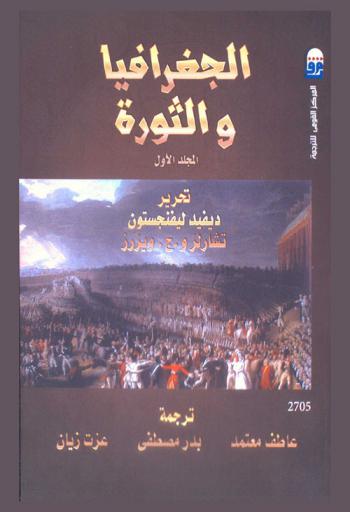
الجغرافيا والثورة
يتناول هذا الكتاب العلاقة بين الجغرافيا والثورة فى سياق التطور التاريخى للشعوب ، مع غطاء امثلة أوربية وأمريكية وأفريقية. الثورة التى يقصدها الكتاب متباينة المفهوم بعضها يعتنى بثورة المعرفة وانتشار المعلومات عبر الأصقاع الجغرافية المختلفة ، وبعضها الآخر يهتم بموقف التباين الجغرافى من الثورة والحراك الشعبى من اجل التغيير وهناك مناطق جغرافية تبدو قابلة للالتحام فى الثورة والتغيير فتصنع جغرافيا \"ثائرة\" ومناطق أخرى تبدو ملكية محافظة على النظم القديمة وتخشى التغيير وتبدو \"مستعصية على الثورة\" وبما أن الجغرافيا وسيط حتمى فى انتقال التقنيات المعرفية ، والأسلحة والأمراض والأفكار والتقاليد الثورية ، فإن فهم التباين والتميز الجغرافى مهمة لاغنى عنها للتنبؤ بما سيحدث فى مستقبل الشعوب والبلدان أخذا فى الاعتباردور الأيدويولوجيات والمذاهب الفلسفية فى تشحيم حركة السير وعجلة الدوران.
BOOK

Microwave frequency beating between monolithically integrated quantum-dot ring lasers
The fabrication of quantum-dot-based optoelectronic integrated circuits incorporating twin ring diode lasers, waveguides, directional couplers, a Y-junction mixer, and photodetectors, is reported. Microwave frequency beating between longitudinal modes from individual ring diode lasers as well as beat notes between integrated twin ring diode lasers are demonstrated.
Journal Article
P105 Outpatient survey of patient experience of hypertonic saline use in non-cystic fibrosis bronchiectasis
Introduction and Objectives Hypertonic Saline (HTS) is known to accelerate tracheobronchial clearance and is felt to provide a useful adjunct to physiotherapy for airway clearance in bronchiectasis1. Previous studies have demonstrated improvement in lung function, quality of life and healthcare utilisation with the use of HTS in non-CF bronchiectasis2. We have surveyed use and patient experience of HTS in our non-CF bronchiectasis clinic. Method All patients seen in our non-CF Bronchiectasis clinic over a four month period were invited to answer a questionnaire. Questionnaires were filled in anonymously and either returned to a box in clinic or by post. Results A total of 96 patients returned a questionnaire. Overall 114 patients were invited to respond, resulting in a response rate was 84%. 55 respondents (57%) were current or past users of HTS, with 36 (65%) of these still using HTS. 49 (89%) of those who had used HTS had done so for at least a month. The percentage of patients using HTS who indicated an improvement in Airway Clearance, Breathlessness and Quality of Life, were 80%, 60% and 67% respectively. Of the 19 patients who had stopped treatment, only 6 (32%) did so due to side effects. The total number of patients who had experienced side effects was 10 (18%). Conclusion Our survey demonstrates that a significant proportion of attendees to our non-CF Bronchiectasis clinic are taking, or have taken HTS treatment. Continued treatment is supported by positive feedback by patients on impact on symptoms and quality of life, as well as reasonable tolerability and side effect profile. References Kellett F, Redfern J, Niven RM. Evaluation of nebulised hypertonic saline (7%) as an adjunct to physiotherapy in patients with stable bronchiectasis. Respir Med 2005;99:27e31. Kellett F, Robert NM. Nebulised 7% hypertonic saline improves lung function and quality of life in bronchiectasis. Respir Med. 2011 Dec;105(12):1831–5
Journal Article
S113 An Epidemiological Review of Strains of Pseudomonas aeruginosa in a Non-Cystic Fibrosis Bronchiectasis Cohort
Introduction and objectivesPseudomonas aeruginosa (Pa) is a significant respiratory pathogen. Research in Cystic Fibrosis cohorts has revealed transmissible strains, leading to heightened infection control protocols due to concerns of cross-infection. In patients with Non-Cystic Fibrosis Bronchiectasis (NCFB), the research is more limited. Our objectives were to investigate the strains found in our local NCFB population, and assess the occurrence of shared strains.MethodsPatients with NCFB and previous Pa in sputum culture consented to providing sputum for the study and review of their medical notes. Sputum samples from patients were processed in the usual manner and if Pa was isolated, 10 representative colonies per patient were stored for strain typing. Isolates were subjected to Random Amplification of Polymorphic DNA (RAPD). Distinct RAPD types were verified by electrophoresis on an Agilent Bioanalyzer and subsequent cluster analysis using GelCompar II software, and further investigated by Multi-Locus Sequence Typing (MLST).ResultsPa was obtained from 46 patients over 12 months providing 459 isolates. Co-existence of multiple strains was observed in two patients. Twenty patients (43%) had unique strains by RAPD and the remaining patients were clustered into 7 subgroups, defined as ≥90% homology by RAPD, using Pearson’s correlation analysis. The largest cluster showed a predominance of one MLST strain type identified as ST-17 (also known as “Clone C”) on the MLST database. In our cohort, 8 patients (17%) harboured Clone C, which is a higher prevalence than observed in previous UK studies of various patient cohorts (typically 2–6% prevalence). MLST analysis of smaller RAPD clusters identified other MLST strain types shared by 2 or 3 patients. As with Clone C, all the observed shared MLST strain types are globally distributed. MLST did not reveal any novel shared strains.ConclusionsOur cohort of patients with NCFB shows evidence of shared strains of Pa including a high prevalence of Clone C compared to previous national reports. Whilst the occurrence of shared strains may reflect their global distribution, we cannot rule out cross-infection between patients.
Journal Article
P115 Epidemiology, Characteristics and Management of Non Tuberculous Mycobacteria in a Devon Population
Introduction and Objectives Non-Tuberculous Mycobacteria (NTM) are ubiquitous species typically residing in soil and water. Their presentation as pathogens in disease is believed to be rising with the most common site of isolation being pulmonary. We have examined the epidemiology and characteristics of NTM presenting to our clinic over the period 2005–2012. Method Our database, including all patients with at least one identification of an NTM during the period of 2005–2012, was reviewed. Data presented includes all incidences documented from 2009 onwards, with additional data from before 2009 used to gain further demographic information about the population. Those who were non-resident in the area were excluded. The data was collected from Clinical Letters, Radiology and Pathology records, with data being reviewed by the lead investigator and one other in cases where information was uncertain. Results Data was obtained from 74 new isolations, with a total of 11 different species of NTM identified. Patients presenting had a median age of 68 and a range of 8–88 years. 39(53%) were female and 46 (62%) were “one-off” isolates. M. Avium-intracellulare (MAI) was the most frequently reported isolate (42 cases, 57%) followed by M. Chelonae (8, 11%) and M. Xenopi (6, 8%). The majority (68, 92%) of isolates were pulmonary with 45(66%) of these found in standard sputum culture. Most frequently recorded co-morbidities were bronchiectasis (35 cases, 47%) and COPD (20, 27%). Of the total of 74 cases only 24 (32%) had received treatment by the time of our survey. The overall rates for eradication and subsequent relapse in those treated patients were 50% and 25% respectively for the total population and 57% and 38% for those with MAI. At completion of the study the mortality rate within 2 years of the first positive sample was 18%. Conclusion In keeping with previous UK surveys, the majority of isolates in our population were pulmonary with MAI being the most frequently seen species of NTM. In those in whom treatment was indicated low eradication rates and significant relapse rates confirm complexity of managing this population of patients. Abstract P115 Figure 1
Journal Article
P115Epidemiology, Characteristics and Management of Non Tuberculous Mycobacteria in a Devon Population
Introduction and ObjectivesNon-Tuberculous Mycobacteria (NTM) are ubiquitous species typically residing in soil and water. Their presentation as pathogens in disease is believed to be rising with the most common site of isolation being pulmonary. We have examined the epidemiology and characteristics of NTM presenting to our clinic over the period 2005-2012.MethodOur database, including all patients with at least one identification of an NTM during the period of 2005-2012, was reviewed. Data presented includes all incidences documented from 2009 onwards, with additional data from before 2009 used to gain further demographic information about the population. Those who were non-resident in the area were excluded.The data was collected from Clinical Letters, Radiology and Pathology records, with data being reviewed by the lead investigator and one other in cases where information was uncertain.ResultsData was obtained from 74 new isolations, with a total of 11 different species of NTM identified. Patients presenting had a median age of 68 and a range of 8-88 years. 39(53%) were female and 46 (62%) were \"one-off\" isolates. M. Avium-intracellulare (MAI) was the most frequently reported isolate (42 cases, 57%) followed by M. Chelonae (8, 11%) and M. Xenopi (6, 8%). The majority (68, 92%) of isolates were pulmonary with 45(66%) of these found in standard sputum culture. Most frequently recorded co-morbidities were bronchiectasis (35 cases, 47%) and COPD (20, 27%). Of the total of 74 cases only 24 (32%) had received treatment by the time of our survey. The overall rates for eradication and subsequent relapse in those treated patients were 50% and 25% respectively for the total population and 57% and 38% for those with MAI. At completion of the study the mortality rate within 2 years of the first positive sample was 18%.ConclusionIn keeping with previous UK surveys, the majority of isolates in our population were pulmonary with MAI being the most frequently seen species of NTM. In those in whom treatment was indicated low eradication rates and significant relapse rates confirm complexity of managing this population of patients.[Figure]
Journal Article

Application of a fractionation technique for better understanding of the removal of natural organic matter by alum coagulation
To gain an improved understanding of the types of organic compounds that are recalcitrant to water treatment, natural organic matter (NOM) isolates from two drinking water sources (Mt. Zero and Moorabool reservoirs, Victoria, Australia) were separated into fractions of distinct chemical behaviour using resins. Four fractions were obtained from each water source and were organics absorbed to: (1) XAD-8 (very hydrophobic acids, VHA); (2) DAX-4 (slightly hydrophobic acids, SHA); (3) bound to an anion exchange resin (charged organics, CHAR); and (4) not absorbed or bound to resins (neutrals, NEUT). These fractions were then tested to determine the capacity of alum to remove them from water and to correlate this with the character of each isolate. The fractions were characterised by the application of high performance size exclusion chromatography (HPSEC), bacterial regrowth potential (BRP), trihalomethane formation potential (THMFP), pyrolysis gas-chromatography mass spectrometry (Py-GC-MS) and thermochemolysis. The highest removals of dissolved organic carbon (DOC) by alum treatment were in waters spiked with the CHAR fractions while the NEUT fractions were the most recalcitrant. The number average molecular weights (Mn) of DOC of the CHAR fractions before treatment were the highest, whilst those of the NEUT fractions were the lowest. After alum treatment, the Mn of the NEUT fractions were only slightly reduced. Results from Py-GC-MS and thermochemolysis indicate that the NEUT fractions had the highest relative proportion of saccharide derived organic material. Nonetheless, the BRP of waters spiked with the NEUT fractions differed markedly, indicating that organics recalcitrant to alum treatment can vary substantially in their chemical composition and capacity to support microbial growth.
Journal Article

Reliability and validity of a new scale to measure prejudice: The GRISMS
The goal of the present research was to assess the reliability and validity of the fiftyitem Modified Godfrey-Richman ISM Scale (M-GRISMS). The sample consisted of seventy-one female and sixty male introductory psychology students. Test items included various ethnic groups (Racism subscale), religious groups (Religion subscale), and the Heterosexist and Sexist subscales. Each of these was parsed into various subcategories, e.g., the Racism subscale assessed attitudes toward African-Americans, Asian-Americans, European-Americans, Hispanics, and Native Americans. The final version of the M-GRISMS (the M-GRISMS-M) was found to be highly reliable and valid. Eight independent factors traversed two or more \"isms.\"[PUBLICATION ABSTRACT]
Journal Article