
Catalogue Search | MBRL


Are you sure you want to remove the book from the shelf?

{{itemTitle}}
456
result(s) for
"Wong, Ming H"
Sort by:

Environmental contamination : health risks and ecological restoration
\"Drawn from presentations made during the Croucher Advanced Study Institute workshop held in 2010, this volume covers all the fundamentals necessary for contaminated site assessment and remediation. It discusses historical and emerging contaminants, human health, risk assessment and bioremediation. It contains numerous case studies, many of them from the Asia-Pacific region, that look at the effects of rapid industrialization. It also examines both historical and emerging contaminants such as persistent organic pollutants and electronic waste\"-- Provided by publisher.
Book

Exploring sustainable management by using green nano-silver to combat three post-harvest pathogenic fungi in crops
Global crop protection and food security have become critical issues to achieve the ‘Zero Hunger’ goal in recent years, as significant crop damage is primarily caused by biotic factors. Applying nanoparticles in agriculture could enhance crop yield. Nano-silver, or AgNPs, have colossal importance in many fields like biomedical, agriculture, and the environment due to their antimicrobial potential. In this context, nano-silver was fabricated by Citrus medica L. (Cm) fruit juice, detected visually and by UV–Vis spectrophotometric analysis. Further, AgNPs were characterized by advanced techniques. UV–Vis spectroscopic analysis revealed absorbance spectra at around 487 nm. The zeta potential measurement value was noted as -23.7 mV. Spectral analysis by FT-IR proved the capping of the acidic groups. In contrast, the XRD analysis showed the Miller indices like the face-centered cubic (fcc) crystalline structure. NTA revealed a mean size of 35 nm for nano-silver with a 2.4 × 10⁸ particles mL−1 concentration. TEM analysis demonstrated spherical Cm-AgNPs with 20–30 nm sizes. The focus of this research was to evaluate the antifungal activity of biogenic AgNPs against post-harvest pathogenic fungi, including Aspergillus niger, A. flavus, and Alternaria alternata. The Cm-AgNPs showed significant antifungal activity in the order of A. niger > A. flavus > A. alternata. The biogenic Cm-AgNPs can be used for the inhibition of toxigenic fungi.
Journal Article

Bioavailability assessment of phosphorus and metals in soils and sediments: a review of diffusive gradients in thin films (DGT)
This paper provides an overview of the principle and latest development of the diffusive gradients in thin films (DGT) technology and its applications in environmental studies with a focus on bioavailability assessment of phosphorus and metals in sediments and soils. Compared with conventional methods, DGT, as a passive sampling method, has significant advantages: in situ measurement, time averaged concentrations and high spatial resolution. The in situ measurement avoids artificial influences including contamination of samples and sample treatment which may change the forms of chemicals. The time averaged concentration reflects representative measurement over a period of time. The high-resolution information captures the biogeochemical heterogeneity of elements of interest distributed in microenvironments, such as in the rhizosphere and the vicinity of the sediment-water interface. Moreover, DGT is a dynamic technique which simultaneously considers the diffusion of solutes and their kinetic resupply from the solid phases. All the advantages of DGT significantly promote the collection of “true” information of the bioavailable or labile forms of chemicals in the environment. DGT provides potential for applications in agriculture, environmental monitoring and the mining industry. However, the applications are still at the early testing stage. Further studies are needed to properly interpret the DGT-measured results under complex environmental conditions, and standard procedures and guideline values based on DGT are required to pave the way for its routine applications in environmental monitoring.
Journal Article

Body burdens of polybrominated diphenyl ethers in childbearing-aged women at an intensive electronic-waste recycling site in China
Background, aim and scope This study is the first to investigate PBDE body burden with regard to the concurrent analyses of multiple human matrices, namely milk, placenta, and hair, collected from a group of childbearing-aged women at an electronic waste (e-waste) recycling site to determine the partitioning of PBDEs in these different human matrices and the possible health risks imposed to infants at the e-waste recycling site. Methods and methods Five sets of milk, placenta, and hair samples were collected from an e-waste site (Taizhou, Zhejiang Province) and a reference site (Lin'an city, Zhejiang Province; 245 km away from Taizhou) in China. The concentrations of total PBDEs in different human tissues were analyzed according to US EPA standard methods. Results PBDE body burdens of women from the e-waste site (milk 117 ± 191, 8.89-457 ng/g fat, placenta 19.5 ± 29.9, 1.28-72.1 ng/g fat, hair 110 ± 210, 8.47-486 ng/g dry wt.) showed significantly higher levels than those from the reference site (milk 2.06 ± 0.94, 1.0-3.56 ng/g fat, placenta 1.02 ± 0.36, 0.59-1.42 ng/g fat, hair 3.57 ± 2.03, 1.56-5.61 ng/g dry wt.) and were higher than those reported in other studies, due to e-waste recycling operations, especially open burning. On a dry-weight basis, the following trend was found for PBDE among the samples from Taizhou: hair≫milk>placenta. Among the donors, the body burden of an e-waste worker ranked second. Higher brominated BDEs (hepta-BDEs) contributed a significantly greater proportion to total PBDEs in hair of the Taizhou women (20%) than that in milk (2.9%) and in placenta (2.6%). The estimated intake of PBDEs of 6-month-old breastfed infants living at the e-waste site was 572 ± 839 ng/kg body wt/day, which was 57 times higher than that of infants from the reference site (10.1 ± 4.60 ng/kg body wt/day). Moreover, the maximum calculated value (2,240 ng/kg body wt/day) exceeded the chronic oral reference dose for penta-BDE (2,000 ng/kg/day) of US EPA. Discussion BDE-47 was the dominant congener accounting for 20-30% in all the individual samples, while higher-brominated congeners, for example, BDE-183 and BDE-190, contributed between 2% and 20%. The presence of hepta-BDE congeners (BDE-181, BDE-190) in hair of the women in Taizhou suggest that thermal degradation of Deca-BDE from the open burning of e-waste may have been their source because these congeners are not found in either Penta-BDE or Octa-BDE technical products. Of the three types of samples analyzed, it was also suspected that hair may be more favorable to higher-brominated compounds which might explain why the hair samples contained the highest total PBDE concentrations and the highest proportion of higher-brominated BDEs (hepta-BDEs). Conclusion This study provides evidence that primitive e-waste recycling in China leads to high PBDE body burdens in local residents and can potentially threaten the health of infants. Recommendations and perspectives Control measures should be imposed to minimize the level of pollutants resulting from e-waste processing operations to the environment and to humans. In-depth investigations on epidemiological studies of health impacts caused by e-waste recycling operations should be conducted. It is recommended that further measurements of PBDE levels in local food (e.g., fish, shellfish, dairy products, meat, fruits, and vegetables), dust, air, water, and human specimens be collected from a larger sample size at the e-waste processing site for the determination of human exposure pathways to PBDEs.
Journal Article

Current status and research on E-waste issues in Asia
Rapid economic growth in Asia and the increasing transboundary movement of secondary resources will increasingly require both 3R endeavors (reduce, reuse, recycle) in each country and appropriate control of international material cycles. Recently, managing electrical and electronic waste (E-waste) has become an important target for domestic and international material cycles from the viewpoints of environmental preservation and resource utilization efficiency. To understand the current status of E-waste issues in the context of international material cycles and to discuss the future tasks related to achieving 3R in the region, we organized the National Institute for Environmental Studies (NIES) E-waste Workshop in December 2004. This article reviews past studies on E-waste and briefly describes the topics presented and discussions held at the workshop. The topics at the workshop included E-waste generation, recycling systems, international trade, and environmental impacts. In addition, we discussed various issues such as terminology, current environmental concerns, and possible solutions. Transboundary shipments of E-waste should be conducted taking into consideration the concept of sustainable development. The direction of future research and possible collaborations are also discussed.[PUBLICATION ABSTRACT]
Journal Article

Biogeochemical and microscopic studies of soil and Phragmites australis (Cav.) Trin. ex Steud. plants affected by coal mine dumps
Developed areas of the coal industry are subjected to long-term anthropogenic impacts from the input and accumulation of overburdened coal material, containing potentially toxic heavy metals and metalloids (HMM). For the first time, comprehensive studies of soils and plants in the territory of the Donetsk coal basin were carried out using X-ray fluorescence, atomic absorption analysis, and electron microscopy. The observed changes in the soil redox conditions were characterized by a high sulfur content, and formations of new microphases of S-containing compounds: FeS
2
, PbFe
6
(SO
4
)
4
(OH)
12
, ZnSO
4
·
n
H
2
O, revealed the presence of technogenic salinization, increased С
org
content, and low pH contents. Exceedances of soil maximum permissible concentrations of Pb, Zn, Cu, and As in areas affected by coal dumps were apparent. As a consequence of long-term transformation of the environment with changes in properties and chemical pollution, a phytotoxic effect was revealed in
Phragmites australis
(Cav.) Trin. ex Steud, accompanied by changes in ultrastructural and organization features of roots and leaves such as increases in root diameters and thickness of leaf blades. The changes in the ultrastructure of cell organelles: a violation of the grana formation process, an increase in the number of plastoglobules, a decrease in the number of mitochondrial cristae, and a reduction in the electron density of the matrix in peroxisomes were also observed. The accumulation of large electron-dense inclusions and membrane fragments in cell vacuoles was observed. Such ultrastructural changes may indicate the existence of a
P. australis
ecotype due to its long-term adaptation to the disturbed environment.
Graphical abstract
Journal Article
Use of food waste as fish feeds: effects of prebiotic fibers (inulin and mannanoligosaccharide) on growth and non-specific immunity of grass carp (Ctenopharyngodon idella)
The effects of inulin and mannanoligosaccharide (MOS) on the growth performance and non-specific immunity of grass carp were studied. Two doses of prebiotic fiber with 0.2 or 2 % of the fibers are being mixed into fish feed pellets. Fish growth as well as selected non-specific immune parameters of grass carp were tested in a feeding trial, which lasted for 8 weeks. Fish was fed at 2.5 % body mass per day. INU02, INU2, and MOS2 significantly improved relative weight gain, specific growth rate, protein efficiency ratio, and food conversion ratio of grass carp fed with food waste-based diet. In terms of non-specific immune response, grass carp showed significant improvement in all three tested parameters (total serum immunoglobin, bactericidal activity, and anti-protease activity). Adding 2 % of inulin (INU2) into food waste diets seemed to be more preferable than other supplemented experimental diets (INU02, MOS02, MOS2), as it could promote growth of grass carp as well as improving the non-specific immune systems of grass carp.
Journal Article

Effect of nitrogen form and phosphorus source on the growth, nutrient uptake and rhizosphere soil property of Camellia sinensis L
The effects of nitrogen form and phosphorus source on the growth, nutrient uptake and rhizosphere soil property of tea (Camellia sinensis L.) were investigated in a pot experiment. The experiment was performed with a compartmental cropping device, which enables the collection of rhizosphere soil at defined distances from the root of tea plant. Nitrogen was supplied as nitrate or ammonium in combination with soluble phosphorus as Ca(H^sub 2^PO^sub 4^)^sub 2^ or insoluble P as rock phosphate. The leaf dry matter production of tea was significantly greater in the treatments with NH^sub 4^ ^sup +^ than NO^sub 3^ ^sup -^, whereas dry matter production of root and stem was not significantly affected. Addition of phosphorus as either source did not influence the dry matter production. The concentrations of K in root, Mg and Ca in both the shoot and root supplied with NO^sub 3^ ^sup -^ were significantly higher than in NH^sub 4^ ^sup +^ and influence of P sources was minor. On the contrary, Al and Mn concentrations were significantly larger in NH^sub 4^ ^sup -^-fed plants which could be attributed to remarkably increased availability of Al and Mn caused by acidification of the rhizosphere soil (the first 1-mm soil section from the root surface) with NH^sub 4^-N nutrition. The concentration of N in shoot was also significantly higher in NH^sub 4^- than in NO^sub 3^-fed plants, indicating higher use efficiency of NH^sub 4^-N. Whatever the phosphate source, rhizosphere pH declined in ammonium compared to in nitrate treatment. The pH decrease was much larger when no P or soluble P were applied and reached 0.85-1.30 units which extended to 3-5 mm away from the root surface. Exchangeable acidity, content of exchangeable Al and Mn were also considerably higher in the rhizosphere soils of NH^sub 4^ ^sup +^ fed tea plants. Significant amounts of P dissolved from rock phosphate accumulated in rhizosphere of NH^sub 4^ ^sup +^, not NO^sub 3^ ^sup -^, suggesting that the dissolution of rock phosphate was induced by the proton excreted by tea root fed with ammonium. With soluble P addition, shoot and root P concentrations were greater in NH^sub 4^ ^sup +^ than in NO^sub 3^ ^sup -^ treatment and it appeared that this difference could not be sufficiently explained by the available P content in soil which was only slightly higher in NH^sub 4^ ^sup +^ treatment. With rock phosphate addition, the shoot and root P concentrations were hardly affected by nitrogen form, although the available P content was much higher and accumulated in the rhizosphere soil supplied with ammonium. The reason for this was discussed with regard to the inter-relationship of Al with P uptake.[PUBLICATION ABSTRACT]
Journal Article
Variation of arsenic concentration on surfaces of in-service CCA-treated wood planks in a park and its influencing field factors
Wood preservatives can protect wood from dry rot, fungi, mould and insect damage, and chromated copper arsenate (CCA) has been used as an inorganic preservative for many years. However, wood treated with CCA has been restricted from residential uses in the EU from June 30, 2004, due to its potential toxicity. Such a regulation is not in place in China yet, and CCA-treated wood is widely used in public parks. A portable XRF analyser was used to investigate arsenic (As) concentration on surfaces of in-service CCA-treated wood planks in a popular park as well as the influencing field factors of age in-service, immersion and human footfall. With a total of 1207 readings, the observed As concentrations varied from below the detection limit (<10 mg/kg) to 15,746 mg/kg with a median of 1160 mg/kg. Strong variation of As concentrations were observed in different wood planks of the same age, on the surface of the same piece of wood, inside the same piece of wood, and different surfaces of walkway planks, hand rails and poles in the field. The oldest planks exhibited high As concentrations, which was related to its original treatment with high retention of CCA preservative. The effect of immersion in the field for about 4 months was insignificant for As concentration on the surfaces. However, a significant reduction of As was observed for immersion combined with human footfall (wiping by shoes). Human traffic in general caused slightly reduced and more evenly distributed As concentrations on the wood surfaces. The strong variation, slow aging and relatively weak immersion effects found in this study demonstrate that the in-service CCA-treated wood poses potential health risks to the park users, due to easy dermal contact especially when the wood is wet after rainfall. It is suggested that further comprehensive investigations and risk assessments of CCA-treated wood in residential areas in China are needed, and precautionary measures should be considered to reduce the potential risks to residents and visitors, especially children.
Journal Article
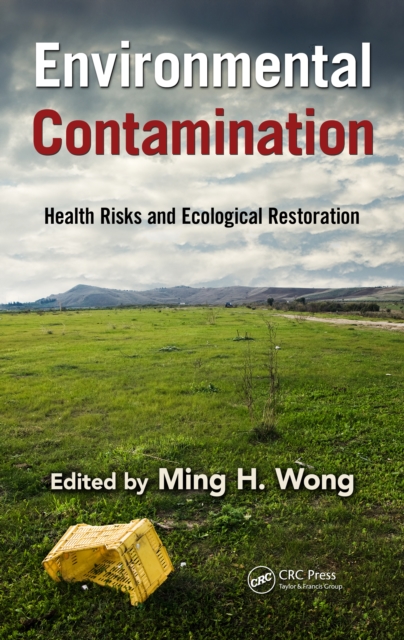
Environmental Contamination
Bringing together the work of 62 distinguished scientists, this timely book offers a comprehensive view of the remediation of contaminated land. A one-stop resource, it covers historical and emerging contaminants, the issues of bioavailability of chemicals and associated human health risks, and the latest bio- and phytoremediation technologies. The book also contains numerous case studies-many of them drawn from the Asia-Pacific region-that look at the effects of rapid industrialization. It provides readers with a highly focused reference on important topics, including e-waste recycling, flame retardants, and arsenic and heavy metal contamination.
eBook