
Catalogue Search | MBRL


Are you sure you want to remove the book from the shelf?

{{itemTitle}}
20,042
result(s) for
"Wu, Bo"
Sort by:

Cold and hot tumors: from molecular mechanisms to targeted therapy
Immunotherapy has made significant strides in cancer treatment, particularly through immune checkpoint blockade (ICB), which has shown notable clinical benefits across various tumor types. Despite the transformative impact of ICB treatment in cancer therapy, only a minority of patients exhibit a positive response to it. In patients with solid tumors, those who respond well to ICB treatment typically demonstrate an active immune profile referred to as the “hot” (immune-inflamed) phenotype. On the other hand, non-responsive patients may exhibit a distinct “cold” (immune-desert) phenotype, differing from the features of “hot” tumors. Additionally, there is a more nuanced “excluded” immune phenotype, positioned between the “cold” and “hot” categories, known as the immune “excluded” type. Effective differentiation between “cold” and “hot” tumors, and understanding tumor intrinsic factors, immune characteristics, TME, and external factors are critical for predicting tumor response and treatment results. It is widely accepted that ICB therapy exerts a more profound effect on “hot” tumors, with limited efficacy against “cold” or “altered” tumors, necessitating combinations with other therapeutic modalities to enhance immune cell infiltration into tumor tissue and convert “cold” or “altered” tumors into “hot” ones. Therefore, aligning with the traits of “cold” and “hot” tumors, this review systematically delineates the respective immune characteristics, influencing factors, and extensively discusses varied treatment approaches and drug targets based on “cold” and “hot” tumors to assess clinical efficacy.
Journal Article


Cross-talk between cancer stem cells and immune cells: potential therapeutic targets in the tumor immune microenvironment
Ongoing research has revealed that the existence of cancer stem cells (CSCs) is one of the biggest obstacles in the current cancer therapy. CSCs make an influential function in tumor progression, recurrence and chemoresistance due to their typical stemness characteristics. CSCs are preferentially distributed in niches, and those niche sites exhibit characteristics typical of the tumor microenvironment (TME). The complex interactions between CSCs and TME illustrate these synergistic effects. The phenotypic heterogeneity within CSCs and the spatial interactions with the surrounding tumor microenvironment led to increased therapeutic challenges. CSCs interact with immune cells to protect themselves against immune clearance by exploiting the immunosuppressive function of multiple immune checkpoint molecules. CSCs also can protect themselves against immune surveillance by excreting extracellular vesicles (EVs), growth factors, metabolites and cytokines into the TME, thereby modulating the composition of the TME. Therefore, these interactions are also being considered for the therapeutic development of anti-tumor agents. We discuss here the immune molecular mechanisms of CSCs and comprehensively review the interplay between CSCs and the immune system. Thus, studies on this topic seem to provide novel ideas for reinvigorating therapeutic approaches to cancer.
Journal Article


A Review of Strawberry Photobiology and Fruit Flavonoids in Controlled Environments
Rapid technology development in controlled environment (CE) plant production has been applied to a large variety of plants. In recent years, strawberries have become a popular fruit for CE production because of their high economic and nutritional values. With the widespread use of light-emitting diode (LED) technology in the produce industry, growers can manipulate strawberry growth and development by providing specific light spectra. Manipulating light intensity and spectral composition can modify strawberry secondary metabolism and highly impact fruit quality and antioxidant properties. While the impact of visible light on secondary metabolite profiles for other greenhouse crops is well documented, more insight into the impact of different light spectra, from UV radiation to the visible light spectrum, on strawberry plants is required. This will allow growers to maximize yield and rapidly adapt to consumer preferences. In this review, a compilation of studies investigating the effect of light properties on strawberry fruit flavonoids is provided, and a comparative analysis of how light spectra influences strawberry’s photobiology and secondary metabolism is presented. The effects of pre-harvest and post-harvest light treatments with UV radiation and visible light are considered. Future studies and implications for LED lighting configurations in strawberry fruit production for researchers and growers are discussed.
Journal Article
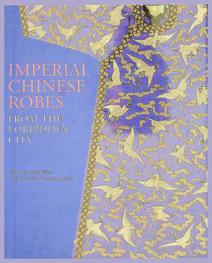
Imperial Chinese robes : from the forbidden city
Focusing on the dress and accessories of the Qing dynasty (1644-1911), this exquisite book captures the grandeur of the garments worn by emperors and empresses for defined formal engagements. In Qing dynasty China, there were clear rules on what to wear on different occasions. Official dress was worn when the emperor performed sacrifices at the 'Temple of Heaven' and at other important rituals. Auspicious dress was for New Year, birthdays and weddings. Military dress for troop inspection; travelling dress for hunting and royal visits to provinces, and ordinary dress for events of a non-celebrative nature, such as mourning. When not performing public duties, however, the imperial family could freely choose which garments to wear - and this book also illustrates these more casual clothes with colourful and stunning fashion dresses made for the court ladies.
Book

The effect of light quality on plant physiology, photosynthetic, and stress response in Arabidopsis thaliana leaves
The impacts of wavelengths in 500–600 nm on plant response and their underlying mechanisms remain elusive and required further investigation. Here, we investigated the effect of light quality on leaf area growth, biomass, pigments content, and net photosynthetic rate (Pn) across three Arabidopsis thaliana accessions, along with changes in transcription, photosynthates content, and antioxidative enzyme activity. Eleven-leaves plants were treated with BL; 450 nm, AL; 595 nm, RL; 650 nm, and FL; 400–700 nm as control. RL significantly increased leaf area growth, biomass, and promoted Pn. BL increased leaf area growth, carotenoid and anthocyanin content. AL significantly reduced leaf area growth and biomass, while Pn remained unaffected. Petiole elongation was further observed across accessions under AL. To explore the underlying mechanisms under AL, expression of key marker genes involved in light-responsive photosynthetic reaction, enzymatic activity of antioxidants, and content of photosynthates were monitored in Col-0 under AL, RL (as contrast), and FL (as control). AL induced transcription of GSH2 and PSBA , while downregulated NPQ1 and FNR2 . Photosynthates, including proteins and starches, showed lower content under AL. SOD and APX showed enhanced enzymatic activity under AL. These results provide insight into physiological and photosynthetic responses to light quality, in addition to identifying putative protective-mechanisms that may be induced to cope with lighting-stress in order to enhance plant stress tolerance.
Journal Article

Chirality invertible superstructure mediated active planar optics
Active planar optical devices that can dynamically manipulate light are highly sought after in modern optics and nanophotonics. The geometric phase derived from the photonic spin-orbit interaction provides an integrated strategy. Corresponding elements usually suffer from static functions. Here, we introduce an inhomogeneously self-organized anisotropic medium featured by photo-invertible chiral superstructure to realize geometric phase elements with continuously tunable working spectrum and light-flipped phase profile. Via preprograming the alignment of a cholesteric liquid crystal mixed with a photo-responsive chiral dopant, we demonstrate light-activated deflector, lens, Airy beam and optical vortex generators. Their polychromatic working bands are reversibly tuned in an ultra-broadband over 1000 nm covering green to telecomm region. The chirality inversion triggers facile switching of functionalities, such as beam steering, focusing/defocusing and spin-to-orbital angular momentum conversion. This work offers a platform for advanced adaptive and multifunctional flat optics with merits of high compactness, low loss and broad bandwidth.
Optically reconfigurable elements are in demand for future applications. The authors report on the use of chirality-invertible cholesteric liquid crystals to actively manipulate geometric phase and create switchable planar optics elements that perform a variety of functions.
Journal Article