
Catalogue Search | MBRL


Are you sure you want to remove the book from the shelf?

{{itemTitle}}
36,167
result(s) for
"Wu, Xiao"
Sort by:


A Novel Heat Pulse Method in Determining “Effective” Thermal Properties in Frozen Soil
Accurate and fast measurements of thermal properties are frequently required for characterizing the heat‐water dynamics in frozen soil. Measuring the thermal properties of frozen soil without inducing ice thaw has proven challenging with conventional heat pulse (HP) methods. In this study, based on an Infinite Line Source (ILS) semi‐analytical model that applies a constant temperature lower than the freezing point at the heat source to prevent the initiation of ice thaw in the frozen soil, we propose a novel HP‐based approach to measure thermal properties, applicable at temperatures below or above 0°C. Laboratory experiments and numerical modeling were utilized to validate the applicability of the approach and optimization strategies of the measurement. We found that the proposed HP‐based approach effectively maintained the maximum spatial temperature below the freezing point and therefore estimated the bulk thermal properties of quartz sand and ice contents. An optimized measurement strategy was proposed to monitor the temperature variations 2–4 cm away from the center of the heat probe after 60 s. This progress can largely facilitate the determination of the thermal properties of multi‐phase and ‐component frozen soil such as thermal conductivity, heat flux, and ice content in cold areas across soil science, hydrology, engineering, and climate science. Plain Language Summary Frozen soil thermal properties are essential for understanding the potential impacts of varying temperatures on water and heat exchange within the surface soil and the subsurface environment. The conventional method, using the single pulse heating strategy to measure the thermal properties of frozen soil, has difficulty avoiding the ice‐melt process. Ice melt may lead to biased outputs due to the ice melting around the heating probe. In this study, we proposed a novel method to maintain a constant temperature on the heat source surface to avoid the overheating challenge within the measurement. The mathematical model and the proposed workflow can successfully estimate the bulk soil thermal conductivity, heat flux, and soil ice content in cold regions. Key Points A novel approach has been developed using an Infinite Line Source model to predict frozen soil thermal properties and water/ice contents The proposed method offers distinct advantages for measurements, especially in frozen soil with temperatures near the freezing point Further application is valuable regarding its potential merits in minimizing ice melting in the measurement
Journal Article


Exosome-derived noncoding RNAs in gastric cancer: functions and clinical applications
Exosomes are a subpopulation of the tumour microenvironment (TME) that transmit various biological molecules to promote intercellular communication. Exosomes are derived from nearly all types of cells and exist in all body fluids. Noncoding RNAs (ncRNAs) are among the most abundant contents in exosomes, and some ncRNAs with biological functions are specifically packaged into exosomes. Recent studies have revealed that exosome-derived ncRNAs play crucial roles in the tumorigenesis, progression and drug resistance of gastric cancer (GC). In addition, regulating the expression levels of exosomal ncRNAs can promote or suppress GC progression. Moreover, the membrane structures of exosomes protect ncRNAs from degradation by enzymes and other chemical substances, significantly increasing the stability of exosomal ncRNAs. Specific hallmarks within exosomes that can be used for exosome identification, and specific contents can be used to determine their origin. Therefore, exosomal ncRNAs are suitable for use as diagnostic and prognostic biomarkers or therapeutic targets. Regulating the biogenesis of exosomes and the expression levels of exosomal ncRNAs may represent a new way to block or eradicate GC. In this review, we summarized the origins and characteristics of exosomes and analysed the association between exosomal ncRNAs and GC development.
Journal Article
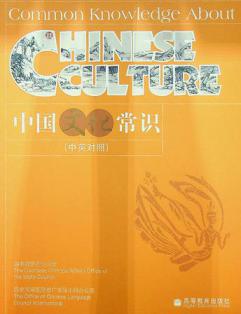
Common knowledge about Chinese culture
Traditional Chinese ideology - Traditional virtues of China - Ancient Chinese literature - Science and technology of ancient China - Traditional Chinese art - Chinese cultural relics - Ancient Chinese architecture - Chinese arts and crafts - Chinese folk customs - Life of the Chinese people.
Book

A review of UAV monitoring in mining areas: current status and future perspectives
With the emergence and development of unmanned aerial vehicles (UAVs), different sensors have become more miniaturized and intelligent. UAVs equipped with various sensors are now an important approach for acquiring spatial data. Many advantages, such as low cost, short revisiting cycle, flexibility and high precision, have made UAVs powerful tools in geological, agricultural, ecological and forestry growth monitoring, as well as evaluation. Now, UAVs are a hotspot in scientific research. Their application in mining areas (MA), although still in its infancy, is developing rapidly in terms of speed, scale and service scope. This research examines aspects such as UAV platforms, different sensors and their application fields, as well as reviewing the advances of scientific research in MA at the present time. By combining current research and the functions of multiple sensors, an application framework for UAV monitoring in MA is constructed. Finally, the challenge and prospects for the development of UAVs and sensors are also considered. This research hopes to provide a technical reference, expanding the knowledge and recognition of UAV monitoring in MA, as well as an assessment of applications in mining, reclamation and environment.
Journal Article


Sulfur stabilizing metal nanoclusters on carbon at high temperatures
Supported metal nanoclusters consisting of several dozen atoms are highly attractive for heterogeneous catalysis with unique catalytic properties. However, the metal nanocluster catalysts face the challenges of thermal sintering and consequent deactivation owing to the loss of metal surface areas particularly in the applications of high-temperature reactions. Here, we report that sulfur—a documented poison reagent for metal catalysts—when doped in a carbon matrix can stabilize ~1 nanometer metal nanoclusters (Pt, Ru, Rh, Os, and Ir) at high temperatures up to 700 °C. We find that the enhanced adhesion strength between metal nanoclusters and the sulfur-doped carbon support, which arises from the interfacial metal-sulfur bonding, greatly retards both metal atom diffusion and nanocluster migration. In catalyzing propane dehydrogenation at 550 °C, the sulfur-doped carbon supported Pt nanocluster catalyst with interfacial electronic effects exhibits higher selectivity to propene as well as more stable durability than sulfur-free carbon supported catalysts.
The sulfur is a documented poison reagent for metal catalysts. Here the authors show when doped in a carbon matrix, sulfur can enhance the adhesion strength and eventually suppress the metal sintering, which improve the performance of propane dehydrogenation by strong chemical/electronic interactions.
Journal Article


Soybean Bioactive Peptides and Their Functional Properties
Soy consumption has been associated with many potential health benefits in reducing chronic diseases such as obesity, cardiovascular disease, insulin-resistance/type II diabetes, certain type of cancers, and immune disorders. These physiological functions have been attributed to soy proteins either as intact soy protein or more commonly as functional or bioactive peptides derived from soybean processing. These findings have led to the approval of a health claim in the USA regarding the ability of soy proteins in reducing the risk for coronary heart disease and the acceptance of a health claim in Canada that soy protein can help lower cholesterol levels. Using different approaches, many soy bioactive peptides that have a variety of physiological functions such as hypolipidemic, anti-hypertensive, and anti-cancer properties, and anti-inflammatory, antioxidant, and immunomodulatory effects have been identified. Some soy peptides like lunasin and soymorphins possess more than one of these properties and play a role in the prevention of multiple chronic diseases. Overall, progress has been made in understanding the functional and bioactive components of soy. However, more studies are required to further identify their target organs, and elucidate their biological mechanisms of action in order to be potentially used as functional foods or even therapeutics for the prevention or treatment of chronic diseases.
Journal Article