
Catalogue Search | MBRL


Are you sure you want to remove the book from the shelf?

{{itemTitle}}
73,023
result(s) for
"Wu, Yu"
Sort by:


What Users Do Besides Problem-Focused Coping When Facing IT Security Threats
This paper investigates how individuals cope with IT security threats by taking into account both problem-focused and emotion-focused coping. While problem-focused coping (PFC) has been extensively studied in the IT security literature, little is known about emotion-focused coping (EFC). We propose that individuals employ both PFC and EFC to volitionally cope with IT security threats, and conceptually classify EFC into two categories: inward and outward. Our research model is tested by two studies: an experiment with 140 individuals and a survey of 934 respondents. Our results indicate that both inward EFC and outward EFC are stimulated by perceived threat, but that only inward EFC is reduced by perceived avoidability. Interestingly, inward EFC and outward EFC are found to have opposite effects on PFC. While inward EFC impedes PFC, outward EFC facilitates PFC. By integrating both EFC and PFC in a single model, we provide a more complete understanding of individual behavior under IT security threats. Moreover, by theorizing two categories of EFC and showing their opposing effects on users’ security behaviors, we further examine the paradoxical relationship between EFC and PFC, thus making an important contribution to IT security research and practice.
Journal Article
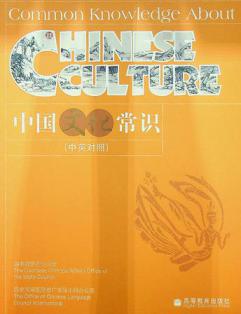
Common knowledge about Chinese culture
Traditional Chinese ideology - Traditional virtues of China - Ancient Chinese literature - Science and technology of ancient China - Traditional Chinese art - Chinese cultural relics - Ancient Chinese architecture - Chinese arts and crafts - Chinese folk customs - Life of the Chinese people.
Book

Danshen Improves Survival of Patients With Breast Cancer and Dihydroisotanshinone I Induces Ferroptosis and Apoptosis of Breast Cancer Cells
Danshen (salvia miltiorrhiza Bunge) is widely used in traditional Chinese medicine. However, it is definite clinical effort and mechanism on breast cancer is unclear. In our study, we used the real-world database to investigate in vivo protective effort of danshen in the breast cancer patients through using population-based data from the Taiwan National Health Insurance Research Database (NHIRD). In vitro , human breast cancer cells (MCF-7 cells and MDA-MB-231 cells) were used to investigate the effect and the underlying mechanism through XTT assay, flow cytometry, glutathione peroxidase (GPX) activity assay, GSH (reduced glutathione)/GSSG (oxidized glutathione), malondialdehyde (MDA), and western blot analysis. The in vivo effect was investigated through a xenograft nude mouse model. We found that dihydroisotanshinone I (DT), a pure compound present in danshen, can inhibit the growth of breast carcinoma cells, including MCF-7 cells and MDA-MB-231 cells. Moreover, DT induced apoptosis and ferroptosis in these breast cancer cells. DT also repressed the protein expression of GPX4 (Glutathione peroxidase 4). For in vivo study, DT treatment also significantly inhibited the final tumor volume without adverse effects in a xenograft nude mouse model. In conclusion, danshen has protective efforts in breast cancer patients, which could be attributed to DT through inducing apoptosis and ferroptosis of breast cancer cells.
Journal Article

الصين في السنوات الثلاثين المقبلة
يتحدث هذا الكتاب عن الصين في السنوات الثلاثين المقبلة حيث أن نهوض الأمة الصينية حلم يراود الشعب الصيني منذ مائتي السنة ومحاولات تحقيقه تكررت خلال تلك الفترة مرات عدة وكانت تمنى مرة بالفشل وأخرى بنصف الفشل نصف النجاح لكن هذا الشعب كان يفيد في كل مرة من تجاربه إلى أن أفضت تجربته الأخيرة التي بدأت منذ ما يقرب من ثلاثين سنة إلى نجاح تام جعل الصين وهذه الدولة الأمة في طليعة دول العالم فما هي هذه التجربة؟ وماذا ستكون عليه الصين بعد ثلاثين عاما أخرى.
BOOK

Molecular mechanisms of tumor resistance to radiotherapy
Background
Cancer is the most prevalent cause of death globally, and radiotherapy is considered the standard of care for most solid tumors, including lung, breast, esophageal, and colorectal cancers and glioblastoma. Resistance to radiation can lead to local treatment failure and even cancer recurrence.
Main body
In this review, we have extensively discussed several crucial aspects that cause resistance of cancer to radiation therapy, including radiation-induced DNA damage repair, cell cycle arrest, apoptosis escape, abundance of cancer stem cells, modification of cancer cells and their microenvironment, presence of exosomal and non-coding RNA, metabolic reprogramming, and ferroptosis. We aim to focus on the molecular mechanisms of cancer radiotherapy resistance in relation to these aspects and to discuss possible targets to improve treatment outcomes.
Conclusions
Studying the molecular mechanisms responsible for radiotherapy resistance and its interactions with the tumor environment will help improve cancer responses to radiotherapy. Our review provides a foundation to identify and overcome the obstacles to effective radiotherapy.
Journal Article

Bionic gliding underwater robots : design, control, and implementation
\"Underwater robots play a significant role in ocean exploration. This book provides full coverage of the theoretical and practical aspects of bionic gliding underwater robots, including system design, modeling control and motion planning. To overcome the inherent shortcomings of traditional underwater robots that can simultaneously lack maneuverability and endurance, a new type of robot, the bionic gliding underwater robot, has attracted much attention from scientists and engineers. On the one hand, by imitating the appearance and swimming mechanisms of natural creatures, bionic gliding underwater robots achieve high maneuverability, swimming efficiency, and strong concealment. On the other hand, borrowing from the buoyancy adjustment systems of underwater gliders, bionic gliding underwater robots can obtain strong endurance, which is significant in practical applications. Taking gliding robotic dolphin and fish as examples, the designed prototypes and proposed methods are discussed, offering valuable insights into the development of next-generation underwater robots that are well-suited for various oceanic applications. This book will be of great interest to students and professionals alike in the field of robotics or intelligent control. It will also be a great reference for engineers or technicians who deal with the development of underwater robots\"-- Provided by publisher.
BOOK

Effects of Lactobacillus plantarum PS128 on Children with Autism Spectrum Disorder in Taiwan: A Randomized, Double-Blind, Placebo-Controlled Trial
This four-week, randomized, double-blind, placebo-controlled study investigated the effects of Lactobacillus plantarum PS128 (PS128) on boys with autism spectrum disorder (ASD) aged 7–15 in Taiwan. All subjects fulfilled the criteria for ASD diagnosis of DSM-V and the Autism Diagnostic Interview-Revised (ADI-R). Questionnaires used for the primary outcome measure include the Autism Behavior Checklist-Taiwan version (ABC-T), the Social Responsiveness Scale (SRS) and the Child Behavior Checklist (CBCL). The Swanson, Nolan, and Pelham-IV-Taiwan version (SNAP-IV) and the Clinical Global Impression-improvement (CGI-I) were used for the secondary outcome measure. The results showed that PS128 ameliorated opposition/defiance behaviors, and that the total score of SNAP-IV for younger children (aged 7−12) improved significantly compared with the placebo group. Additionally, several elements were also notably improved in the PS128 group after 28-day consumption of PS128. Further studies are needed to better clarify the effects of PS128 for younger children with ASD on broader symptoms.
Journal Article


Mouse models of sarcopenia: classification and evaluation
Sarcopenia is a progressive and widespread skeletal muscle disease that is related to an increased possibility of adverse consequences such as falls, fractures, physical disabilities and death, and its risk increases with age. With the deepening of the understanding of sarcopenia, the disease has become a major clinical disease of the elderly and a key challenge of healthy ageing. However, the exact molecular mechanism of this disease is still unclear, and the selection of treatment strategies and the evaluation of its effect are not the same. Most importantly, the early symptoms of this disease are not obvious and are easy to ignore. In addition, the clinical manifestations of each patient are not exactly the same, which makes it difficult to effectively study the progression of sarcopenia. Therefore, it is necessary to develop and use animal models to understand the pathophysiology of sarcopenia and develop therapeutic strategies. This paper reviews the mouse models that can be used in the study of sarcopenia, including ageing models, genetically engineered models, hindlimb suspension models, chemical induction models, denervation models, and immobilization models; analyses their advantages and disadvantages and application scope; and finally summarizes the evaluation of sarcopenia in mouse models.
Journal Article