
Catalogue Search | MBRL


Are you sure you want to remove the book from the shelf?

{{itemTitle}}
15,268
result(s) for
"Xiao, Xiang"
Sort by:
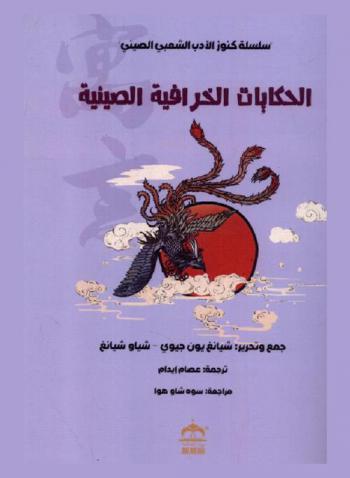
الحكايات الخرافية الصينية
يضم الكتاب 85 حكاية خرافية مشهورة في ثقافة الصين وتبعث حكاياته على الحس والتأمل في العلاقة بين الحيوانات والجماد، بل بين الإنسان والحيوان، حيث تقوم حكاياته على حوار الحيوانات في إطار أدبي أشبه بقصص \"كليلة ودمنة\" الشهيرة والكتب الأربعة تعكس بشكل كبير تشابه المفاهيم الكلاسيكية للقيم الأخلاقية لكل الشعوب وتعبر بشكل واضح عن جوهرها وتعد نقطة التقاء تتجمع فيها الشعوب في إطار أدبي شيق.
BOOK

Single-dispersed polyoxometalate clusters embedded on multilayer graphene as a bifunctional electrocatalyst for efficient Li-S batteries
The redox reactions occurring in the Li-S battery positive electrode conceal various and critical electrocatalytic processes, which strongly influence the performances of this electrochemical energy storage system. Here, we report the development of a single-dispersed molecular cluster catalyst composite comprising of a polyoxometalate framework ([Co
4
(PW
9
O
34
)
2
]
10−
) and multilayer reduced graphene oxide. Due to the interfacial charge transfer and exposure of unsaturated cobalt sites, the composite demonstrates efficient polysulfides adsorption and reduced activation energy for polysulfides conversion, thus serving as a bifunctional electrocatalyst. When tested in full Li-S coin cell configuration, the composite allows for a long-term Li-S battery cycling with a capacity fading of 0.015% per cycle after 1000 cycles at 2 C (i.e., 3.36 A g
−1
). An areal capacity of 4.55 mAh cm
−2
is also achieved with a sulfur loading of 5.6 mg cm
−
2
and E/S ratio of 4.5 μL mg
−1
. Moreover, Li-S single-electrode pouch cells tested with the bifunctional electrocatalyst demonstrate a specific capacity of about 800 mAh g
−1
at a sulfur loading of 3.6 mg cm
−2
for 100 cycles at 0.2 C (i.e., 336 mA g
−1
) with E/S ratio of 5 μL mg
−1
.
Efficient electrochemical energy storage in Li-S batteries is hindered by sluggish sulfur redox reactions. Here, the authors propose a polyoxometalate/multilayer graphene composite as a bifunctional electrocatalyst for battery performance improvement.
Journal Article
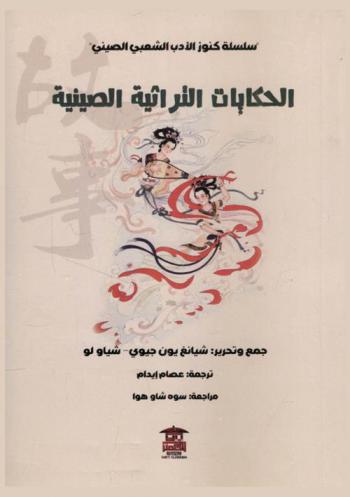
الحكايات الثراثية الصينية /
دخل الحراس الأربعون الغابة والأمير الصغير بصحبتهم، الغابة موحشة، وأشجارها كثيفة وطويلة تبلغ عنان السماء، وتعج بالحيوانات البرية، صعد الأمير بعدها إلى الجبل تحت حراسة مشددة من قبل الحراس، لم يستل سكينا، ولم يطلق سهما، وما هي إلا لحظات حتى اصطاد الكثير من الحيوانات النادرة بمساعدة الحراس، فسر كثيرا، وفجأة ظهرت أمام أعينهم نمر متوحش ذو عينين مقلوبتين وعلى جبينه خطوط بيضاء، وقبل أن يستوضح الأمير الأمر وسط الحراس، وضع السهم في القوس وأطلقه بكل قوته صوب النمر، إلا أن السهم لم يصب الهدف، فانطلق النمر نحوه قاصدا مهاجمته، إلا أنه استدار بجسمه وفر هاربا حينما شاهد المظهر المهيب لأولئك الحراس الأربعين، ولم يتوقف الأمر عند هذا الحد، بل حدث أمر عجيب آخر!.
Book
Hypoxia-inducible factor-1α is a critical transcription factor for IL-10-producing B cells in autoimmune disease
Hypoxia-inducible factors (HIFs) are key elements for controlling immune cell metabolism and functions. While HIFs are known to be involved in T cells and macrophages activation, their functions in B lymphocytes are poorly defined. Here, we show that hypoxia-inducible factor-1α (HIF-1α) contributes to IL-10 production by B cells. HIF-1α regulates IL-10 expression, and HIF-1α-dependent glycolysis facilitates CD1d
hi
CD5
+
B cells expansion. Mice with B cell-specific deletion of
Hif1a
have reduced number of IL-10-producing B cells, which result in exacerbated collagen-induced arthritis and experimental autoimmune encephalomyelitis. Wild-type CD1d
hi
CD5
+
B cells, but not
Hif1a
-deficient CD1d
hi
CD5
+
B cells, protect recipient mice from autoimmune disease, while the protective function of
Hif1a
-deficient CD1d
hi
CD5
+
B cells is restored when their defective IL-10 expression is genetically corrected. Taken together, this study demonstrates the key function of the hypoxia-associated transcription factor HIF-1α in driving IL-10 expression in CD1d
hi
CD5
+
B cells, and in controlling their protective activity in autoimmune disease.
B cells are important for antigen presentation and antibody production in humoral immunity, but are also increasingly recognized for their immune regulatory functions. Here the authors show that HIF-1α, a hypoxia-induced transcription factor, is important for controlling IL-10 induction in and immune-suppressive activity of B cells.
Journal Article

c-MYC mediates the crosstalk between breast cancer cells and tumor microenvironment
The MYC oncogenic family is dysregulated in diverse tumors which is generally linked to the poor prognosis of tumors. The members in MYC family are transcription factors which are responsible for the regulation of various genes expression. Among them, c-MYC is closely related to the progression of tumors. Furthermore, c-MYC aberrations is tightly associated with the prevalence of breast cancer. Tumor microenvironment (TME) is composed of many different types of cellular and non-cellular factors, mainly including cancer-associated fibroblasts, tumor-associated macrophages, vascular endothelial cells, myeloid-derived suppressor cells and immune cells, all of which can affect the diagnosis, prognosis, and therapeutic efficacy of breast cancer. Importantly, the biological processes occurred in TME, such as angiogenesis, immune evasion, invasion, migration, and the recruition of stromal and tumor-infiltrating cells are under the modulation of c-MYC. These findings indicated that c-MYC serves as a critical regulator of TME. Here, we aimed to summarize and review the relevant research, thus to clarify c-MYC is a key mediator between breast cancer cells and TME.
DVLPdmoXAPbqrJeJ-uvGmg
Video Abstract
Journal Article

Research Progress on the Role of Inflammatory Mechanisms in the Development of Postoperative Cognitive Dysfunction
Postoperative cognitive dysfunction (POCD), as one of the common postoperative complications, mainly occurs after surgery and anesthesia, especially in the elderly. It refers to cognitive function changes such as decreased learning and memory ability and inability to concentrate. In severe cases, there could be personality changes and a decline in social behavior. At present, a great deal of research had been carried out on POCD, but its specific mechanism remains unclear. The release of peripheral inflammation-related factors, the degradation and destruction of the blood-brain barrier, the occurrence of central inflammation, and the neuronal apoptosis and synaptic loss could be promoted by neuroinflammation indicating that inflammatory mechanisms may play key roles in the occurrence of POCD.
Journal Article

Cytoplasmic Escape of Mitochondrial DNA Mediated by Mfn2 Downregulation Promotes Microglial Activation via cGas‐Sting Axis in Spinal Cord Injury
Neuroinflammation is associated with poor outcomes in patients with spinal cord injury (SCI). Recent studies have demonstrated that stimulator of interferon genes (Sting) plays a key role in inflammatory diseases. However, the role of Sting in SCI remains unclear. In the present study, it is found that increased Sting expression is mainly derived from activated microglia after SCI. Interestingly, knockout of Sting in microglia can improve the recovery of neurological function after SCI. Microglial Sting knockout restrains the polarization of microglia toward the M1 phenotype and alleviates neuronal death. Furthermore, it is found that the downregulation of mitofusin 2 (Mfn2) expression in microglial cells leads to an imbalance in mitochondrial fusion and division, inducing the release of mitochondrial DNA (mtDNA), which mediates the activation of the cGas‐Sting signaling pathway and aggravates inflammatory response damage after SCI. A biomimetic microglial nanoparticle strategy to deliver MASM7 (named MSNs‐MASM7@MI) is established. In vitro, MSNs‐MASM7@MI showed no biological toxicity and effectively delivered MASM7. In vivo, MSNs‐MASM7@MI improves nerve function after SCI. The study provides evidence that cGas‐Sting signaling senses Mfn2‐dependent mtDNA release and that its activation may play a key role in SCI. These findings provide new perspectives and potential therapeutic targets for SCI treatment. Downregulation of mitofusin (Mfn2) expression in microglial cells induces the release of mtDNA, which in turn mediates the activation of stimulator of interferon genes (Sting) and aggravates the inflammatory response damage after spinal cord injury (SCI). A biomimetic nano‐delivery platform alleviates activation of the cGas‐Sting pathway by delivering Mfn2 agonists to mitochondria, thereby rescuing neuroinflammation and SCI outcomes.
Journal Article

Deep learning for the earth sciences : a comprehensive approach to remote sensing, climate science and geosciences
DEEP LEARNING FOR THE EARTH SCIENCES Explore this insightful treatment of deep learning in the field of earth sciences, from four leading voices Deep learning is a fundamental technique in modern Artificial Intelligence and is being applied to disciplines across the scientific spectrum; earth science is no exception.
eBook

Mesenchymal stromal cell-based therapy for cartilage regeneration in knee osteoarthritis
Osteoarthritis, as a degenerative disease, is a common problem and results in high socioeconomic costs and rates of disability. The most commonly affected joint is the knee and characterized by progressive destruction of articular cartilage, loss of extracellular matrix, and progressive inflammation. Mesenchymal stromal cell (MSC)-based therapy has been explored as a new regenerative treatment for knee osteoarthritis in recent years. However, the detailed functions of MSC-based therapy and related mechanism, especially of cartilage regeneration, have not been explained. Hence, this review summarized how to choose, authenticate, and culture different origins of MSCs and derived exosomes. Moreover, clinical application and the latest mechanistical findings of MSC-based therapy in cartilage regeneration were also demonstrated.
Journal Article

The AP2 transcription factor NtERF172 confers drought resistance by modifying NtCAT
Summary Drought stress often limits plant growth and global crop yields. Catalase (CAT)‐mediated hydrogen peroxide (H2O2) scavenging plays an important role in the adaptation of plant stress responses, but the transcriptional regulation of the CAT gene in response to drought stress is not well understood. Here, we isolated an APETALA2/ETHYLENE‐RESPONSIVE FACTOR (AP2/ERF) domain‐containing transcription factor (TF), NtERF172, which was strongly induced by drought, abscisic acid (ABA) and H2O2, from tobacco (Nicotiana tabacum) by yeast one‐hybrid screening. NtERF172 localized to the nucleus and acted as a transcriptional activator. Chromatin immunoprecipitation, yeast one‐hybrid assays, electrophoretic mobility shift assays and transient expression analysis assays showed that NtERF172 directly bound to the promoter region of the NtCAT gene and positively regulated its expression. Transgenic plants overexpressing NtERF172 displayed enhanced tolerance to drought stress, whereas suppression of NtERF172 decreased drought tolerance. Under drought stress conditions, the NtERF172‐overexpressed lines showed higher catalase activity and lower accumulation of H2O2 compared with wild‐type (WT) plants, while the NtERF172‐silenced plants showed the inverse correlation. Exogenous application of amino‐1,2,4‐triazole (3‐AT), an irreversible CAT inhibitor, to the NtERF172‐overexpression lines showed decreased catalase activity and drought tolerance, and increased levels of cellular H2O2. Knockdown of NtCAT in the NtERF172‐overexpression lines displayed a more drought stress‐sensitive phenotype than NtERF172‐overexpression lines. We propose that NtERF172 acts as a positive factor in drought stress tolerance, at least in part through the regulation of CAT‐mediated H2O2 homeostasis.
Journal Article