
Catalogue Search | MBRL


Are you sure you want to remove the book from the shelf?

{{itemTitle}}
812
result(s) for
"Yang, Andre"
Sort by:

The Hedgehog signalling pathway in bone formation
The Hedgehog(Hh) signalling pathway plays many important roles in development,homeostasis and tumorigenesis.The critical function of Hh signalling in bone formation has been identified in the past two decades.Here,we review the evolutionariiy conserved Hh signalling mechanisms with an emphasis on the functions of the Hh signalling pathway in bone development,homeostasis and diseases.In the early stages of embryonic limb development,Sonic Hedgehog(Shh) acts as a major morphogen in patterning the limb buds.Indian Hedgehog(Ihh) has an essential function in endochondral ossification and induces osteoblast differentiation in the perichondrium.Hh signalling is also involved intramembrane ossification.Interactions between Hh and Wnt signalling regulate cartilage development,endochondral bone formation and synovial joint formation.Hh also plays an important role in bone homeostasis,and reducing Hh signalling protects against age-related bone loss.Disruption of Hh signalling regulation leads to multiple bone diseases,such as progressive osseous heteroplasia.Therefore,understanding the signalling mechanisms and functions of Hh signalling in bone development,homeostasis and diseases will provide important insights into bone disease prevention,diagnoses and therapeutics.
Journal Article
The Indus Basin of Pakistan
This study, Indus basin of Pakistan: the impacts of climate risks on water and agriculture was undertaken at a pivotal time in the region. The weak summer monsoon in 2009 created drought conditions throughout the country. This followed an already tenuous situation for many rural households faced with high fuel and fertilizer costs and the impacts of rising global food prices. Then catastrophic monsoon flooding in 2010 affected over 20 million people, devastating their housing, infrastructure, and crops. Damages from this single flood event were estimated at US dollar 10 billion, half of which were losses in the agriculture sector. Notwithstanding the debate as to whether these observed extremes are evidence of climate change, an investigation is needed regarding the extent to which the country is resilient to these shocks. It is thus timely, if not critical, to focus on climate risks for water, agriculture, and food security in the Indus basin of Pakistan.
eBook
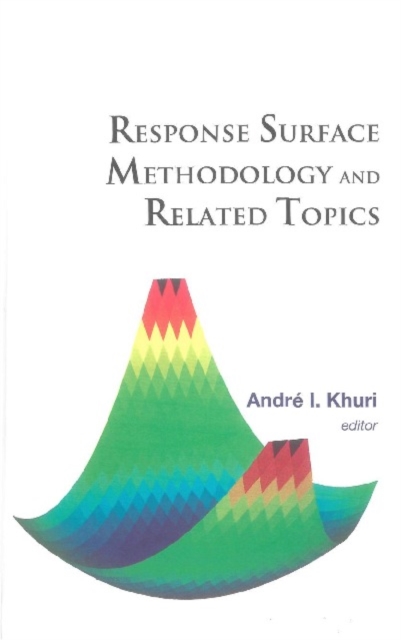
Response surface methodology and related topics
This is the first edited volume on response surface methodology (RSM). It contains 17 chapters written by leading experts in the field and covers a wide variety of topics ranging from areas in classical RSM to more recent modeling approaches within the framework of RSM, including the use of generalized linear models. Topics covering particular aspects of robust parameter design, response surface optimization, mixture experiments, and a variety of new graphical approaches in RSM are also included.
eBook

Molecular engineering of piezoelectricity in collagen-mimicking peptide assemblies
Realization of a self-assembled, nontoxic and eco-friendly piezoelectric device with high-performance, sensitivity and reliability is highly desirable to complement conventional inorganic and polymer based materials. Hierarchically organized natural materials such as collagen have long been posited to exhibit electromechanical properties that could potentially be amplified via molecular engineering to produce technologically relevant piezoelectricity. Here, by using a simple, minimalistic, building block of collagen, we fabricate a peptide-based piezoelectric generator utilising a radically different helical arrangement of Phe-Phe-derived peptide, Pro-Phe-Phe and Hyp-Phe-Phe, based only on proteinogenic amino acids. The simple addition of a hydroxyl group increases the expected piezoelectric response by an order of magnitude (
d
35
= 27 pm V
−1
). The value is highest predicted to date in short natural peptides. We demonstrate tripeptide-based power generator that produces stable max current >50 nA and potential >1.2 V. Our results provide a promising device demonstration of computationally-guided molecular engineering of piezoelectricity in peptide nanotechnology.
Piezoelectric materials which are non-toxic and eco-friendly are of interest. Here, the authors report on the creation of collagen-mimetic peptides which can be self-assembled into piezoelectric materials and study the design characteristics required for optimized power generation.
Journal Article

Cognitive effects and acceptability of non-invasive brain stimulation on Alzheimer’s disease and mild cognitive impairment: a component network meta-analysis
ObjectivesTo compare cognitive effects and acceptability of repetitive transcranial magnetic stimulation (rTMS) and transcranial direct current stimulation (tDCS) in patients with Alzheimer’s disease (AD) or mild cognitive impairment (MCI), and to determine whether cognitive training (CT) during rTMS or tDCS provides additional benefits.MethodsElectronic search of PubMed, Medline, Embase, the Cochrane Library and PsycINFO up to 5 March 2020. We enrolled double-blind, randomised controlled trials (RCTs). The primary outcomes were acceptability and pre–post treatment changes in general cognition measured by Mini-Mental State Examination, and the secondary outcomes were memory function, verbal fluency, working memory and executive function. Durability of cognitive benefits (1, 2 and ≥3 months) after brain stimulation was examined.ResultsWe included 27 RCTs (n=1070), and the treatment components included high-frequency rTMS (HFrTMS) and low-frequency rTMS, anodal tDCS (atDCS) and cathodal tDCS (ctDCS), CT, sham CT and sham brain stimulation. Risk of bias of evidence in each domain was low (range: 0%–11.1%). HFrTMS (1.08, 9, 0.35–1.80) and atDCS (0.56, 0.03–1.09) had short-term positive effects on general cognition. CT might be associated with negative effects on general cognition (−0.79, –2.06 to 0.48) during rTMS or tDCS. At 1-month follow-up, HFrTMS (1.65, 0.77–2.54) and ctDCS (2.57, 0.20–4.95) exhibited larger therapeutic responses. Separate analysis of populations with pure AD and MCI revealed positive effects only in individuals with AD. rTMS and tDCS were well tolerated.ConclusionsHFrTMS is more effective than atDCS for improving global cognition, and patients with AD may have better responses to rTMS and tDCS than MCI.
Journal Article

CD47 cross-dressing by extracellular vesicles expressing CD47 inhibits phagocytosis without transmitting cell death signals
Transgenic CD47 overexpression is an encouraging approach to ameliorating xenograft rejection and alloresponses to pluripotent stem cells, and the efficacy correlates with the level of CD47 expression. However, CD47, upon ligation, also transmits signals leading to cell dysfunction or death, raising a concern that overexpressing CD47 could be harmful. Here, we unveiled an alternative source of cell surface CD47. We showed that extracellular vesicles, including exosomes, released from normal or tumor cells overexpressing CD47 (transgenic or native) can induce efficient CD47 cross-dressing on pig or human cells. Like the autogenous CD47, CD47 cross-dressed on cell surfaces is capable of interacting with SIRPα to inhibit phagocytosis. However, ligation of the autogenous, but not cross-dressed, CD47 induced cell death. Thus, CD47 cross-dressing provides an alternative source of cell surface CD47 that may elicit its anti-phagocytic function without transmitting harmful signals to the cells. CD47 cross-dressing also suggests a previously unidentified mechanism for tumor-induced immunosuppression. Our findings should help to further optimize the CD47 transgenic approach that may improve outcomes by minimizing the harmful effects of CD47 overexpression.
Journal Article

Integrated transcriptomic and proteomic analysis of the molecular cargo of extracellular vesicles derived from porcine adipose tissue-derived mesenchymal stem cells
Mesenchymal stromal/stem cell (MSC) transplantation is a promising therapy for tissue regeneration. Extracellular vesicles (EVs) released by MSCs act as their paracrine effectors by delivering proteins and genetic material to recipient cells. To assess how their cargo mediates biological processes that drive their therapeutic effects, we integrated miRNA, mRNA, and protein expression data of EVs from porcine adipose tissue-derived MSCs.
Simultaneous expression profiles of miRNAs, mRNAs, and proteins were obtained by high-throughput sequencing and LC-MS/MS proteomic analysis in porcine MSCs and their daughter EVs (n = 3 each). TargetScan and ComiR were used to predict miRNA target genes. Functional annotation analysis was performed using DAVID 6.7 database to rank primary gene ontology categories for the enriched mRNAs, miRNA target genes, and proteins. STRING was used to predict associations between mRNA and miRNA target genes.
Differential expression analysis revealed 4 miRNAs, 255 mRNAs, and 277 proteins enriched in EVs versus MSCs (fold change >2, p<0.05). EV-enriched miRNAs target transcription factors (TFs) and EV-enriched mRNAs encode TFs, but TF proteins are not enriched in EVs. Rather, EVs are enriched for proteins that support extracellular matrix remodeling, blood coagulation, inflammation, and angiogenesis.
Porcine MSC-derived EVs contain a genetic cargo of miRNAs and mRNAs that collectively control TF activity in EVs and recipient cells, as well as proteins capable of modulating cellular pathways linked to tissue repair. These properties provide the fundamental basis for considering therapeutic use of EVs in tissue regeneration.
Journal Article

Van der Waals contacts between three-dimensional metals and two-dimensional semiconductors
As the dimensions of the semiconducting channels in field-effect transistors decrease, the contact resistance of the metal–semiconductor interface at the source and drain electrodes increases, dominating the performance of devices
1
–
3
. Two-dimensional (2D) transition-metal dichalcogenides such as molybdenum disulfide (MoS
2
) have been demonstrated to be excellent semiconductors for ultrathin field-effect transistors
4
,
5
. However, unusually high contact resistance has been observed across the interface between the metal and the 2D transition-metal dichalcogenide
3
,
5
–
9
. Recent studies have shown that van der Waals contacts formed by transferred graphene
10
,
11
and metals
12
on few-layered transition-metal dichalcogenides produce good contact properties. However, van der Waals contacts between a three-dimensional metal and a monolayer 2D transition-metal dichalcogenide have yet to be demonstrated. Here we report the realization of ultraclean van der Waals contacts between 10-nanometre-thick indium metal capped with 100-nanometre-thick gold electrodes and monolayer MoS
2
. Using scanning transmission electron microscopy imaging, we show that the indium and gold layers form a solid solution after annealing at 200 degrees Celsius and that the interface between the gold-capped indium and the MoS
2
is atomically sharp with no detectable chemical interaction between the metal and the 2D transition-metal dichalcogenide, suggesting van-der-Waals-type bonding between the gold-capped indium and monolayer MoS
2
. The contact resistance of the indium/gold electrodes is 3,000 ± 300 ohm micrometres for monolayer MoS
2
and 800 ± 200 ohm micrometres for few-layered MoS
2
. These values are among the lowest observed for three-dimensional metal electrodes evaporated onto MoS
2
, enabling high-performance field-effect transistors with a mobility of 167 ± 20 square centimetres per volt per second. We also demonstrate a low contact resistance of 220 ± 50 ohm micrometres on ultrathin niobium disulfide (NbS
2
) and near-ideal band offsets, indicative of defect-free interfaces, in tungsten disulfide (WS
2
) and tungsten diselenide (WSe
2
) contacted with indium alloy. Our work provides a simple method of making ultraclean van der Waals contacts using standard laboratory technology on monolayer 2D semiconductors.
Ultraclean van der Waals bonds between gold-capped indium and a monolayer of the two-dimensional transition-metal dichalcogenide molybdenum disulfide show desirably low contact resistance at the interface, enabling high-performance field-effect transistors.
Journal Article

Burden of bacterial antimicrobial resistance in low-income and middle-income countries avertible by existing interventions: an evidence review and modelling analysis
National action plans enumerate many interventions as potential strategies to reduce the burden of bacterial antimicrobial resistance (AMR). However, knowledge of the benefits achievable by specific approaches is needed to inform policy making, especially in low-income and middle-income countries (LMICs) with substantial AMR burden and low health-care system capacity. In a modelling analysis, we estimated that improving infection prevention and control programmes in LMIC health-care settings could prevent at least 337 000 (95% CI 250 200–465 200) AMR-associated deaths annually. Ensuring universal access to high-quality water, sanitation, and hygiene services would prevent 247 800 (160 000–337 800) AMR-associated deaths and paediatric vaccines 181 500 (153 400–206 800) AMR-associated deaths, from both direct prevention of resistant infections and reductions in antibiotic consumption. These estimates translate to prevention of 7·8% (5·6–11·0) of all AMR-associated mortality in LMICs by infection prevention and control, 5·7% (3·7–8·0) by water, sanitation, and hygiene, and 4·2% (3·4–5·1) by vaccination interventions. Despite the continuing need for research and innovation to overcome limitations of existing approaches, our findings indicate that reducing global AMR burden by 10% by the year 2030 is achievable with existing interventions. Our results should guide investments in public health interventions with the greatest potential to reduce AMR burden.
Journal Article