
Catalogue Search | MBRL


Are you sure you want to remove the book from the shelf?

{{itemTitle}}
202
result(s) for
"Young-Wook Park"
Sort by:
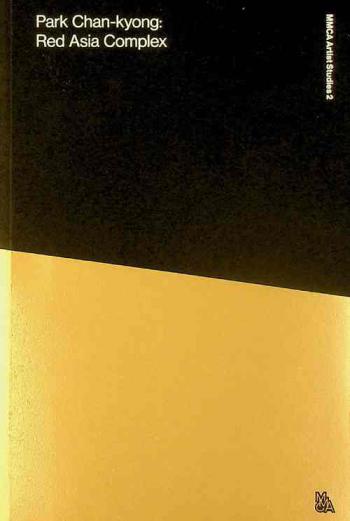
Park Chan-kyong : Red Asia Complex
Park Chan-kyong is the second artist selected for the \"MMCA Artist Studies\" series. Since the late 1980s, Park has been a member of a community of critics writing art and organizing exhibitions through forums such as the Research Society for Art Criticism (misul bipyeong yeonguhoe), Forum A, BOL. Park took his first steps as an artist with the solo exhibition Black Box: The Memory of Cold War Images, held at the Kumho Museum in 1997, and has since continued to produce film and video works critically examining the Cold War, Korean modernity, and colonialism. Under the title Red Asia Complex, this book examines, from various perspectives, the nearly thirty-years trajectory of Park Chan-kyong's art and writing.--Gallery Website.

Optical characteristics of refractive-index-matching diffusion layer in organic light-emitting diodes
We developed a diffusion layer with a refractive index-matching layer added to a transparent nanoscale polymer-based structure to obtain its effective scattering effects. The diffusion layer had higher haze when the refractive index-matching layer to a higher refractive index was used. This diffusion layer was applied to conventional organic light-emitting diodes (OLEDs) and micro-cavity OLEDs (MC-OLEDs) to evaluate the characteristics. When a diffusion layer was applied to conventional OLEDs, the external quantum efficiency (EQE) was 31.1% higher than that of the device without a diffusion layer due to the reduction of the substrate mode, and the viewing angle characteristic was also improved. Then, when the diffusion layer was applied to the MC-OLEDs, all devices showed similar EQE values regardless of the presence or absence of the diffusion layer, and the viewing-angle-dependent characteristics were greatly improved by the diffusion layer. Furthermore, when the diffusion layer was used with polarizer film, the black color implementation was not affected by the polarizer film, proving that it is applicable to actual OLED display products.
Journal Article
Enhanced light extraction efficiency and viewing angle characteristics of microcavity OLEDs by using a diffusion layer
The viewing angle characteristics and light extraction efficiency of organic light-emitting diodes (OLEDs) with a micro-cavity structure were enhanced. This was accomplished by inserting a diffusion layer composed of nano-sized structures of a transparent polymer poly(methyl methacrylate) (PMMA) combined with a zinc oxide (ZnO) semi-planarization layer with a high refractive index (n = 2.1) into the devices. The PMMA nanostructures were fabricated by employing a reactive ion etching (RIE) process. The height and density of the PMMA nanostructures were controlled by varying the speed at which the PMMA was spin-coated onto the substrate. The insertion of the diffusion layer into the micro-cavity OLEDs (MC-OLEDs) improved the external quantum efficiency (EQE) by as much as 17% when compared to that of a MC-OLED without a diffusion layer. Furthermore, adjustment of the viewing angle from 0° to 60° halved the peak shift distance of the electroluminescence (EL) spectra from 42 to 20 nm. Additionally, changing the viewing angle from 0° to 60° changed the color coordinate movement distance of the MC-OLED with the diffusion layer to 0.078, less than half of the distance of the MC-OLED without the diffusion layer (0.165).
Journal Article
Green phosphorescent organic light-emitting diode exhibiting highest external quantum efficiency with ultra-thin undoped emission layer
In this study, we report highly efficient green phosphorescent organic light-emitting diodes (OLEDs) with ultra-thin emission layers (EMLs). We use tris[2-phenylpyridinato-C2,N]iridium(III) (Ir(ppy)
3
), a green phosphorescent dopant, for creating the OLEDs. Under systematic analysis, the peak external quantum efficiency (EQE) of an optimized device based on the ultra-thin EML structure is found to be approximately 24%. This result is highest EQE among ultra-thin EML OLEDs and comparable to the highest efficiency achieved by OLEDs using Ir(ppy)
3
that are fabricated via conventional doping methods. Moreover, this result shows that OLEDs with ultra-thin EML structures can achieve ultra-high efficiency.
Journal Article
Light sintering of ultra-smooth and robust silver nanowire networks embedded in poly(vinyl-butyral) for flexible OLED
A conductive, uniform, and ultra-smooth flexible transparent composite film is produced by embedding silver nanowires (AgNWs) into poly(vinyl-butyral) (PVB) without pressure or high-temperature annealing. The adhesion of AgNWs was greatly improved by embedding them in PVB, and surface roughness and sheet resistance (R
s
) improvements were achieved through the use of the intense pulsed light (IPL) method, which welds the interconnections among AgNWs in a short time without heat or pressure treatment. The sheet resistance of PVB/AgNWs with the IPL(PAI) composite film reaches 12.6 ohm/sq with a transmittance of 85.7% (at 550 nm); no clear changes in the sheet resistance are observed after a substrate bending and tape test, suggesting excellent flexibility. In the case of PAI, the change in sheet resistance was only 2.6% after a 2,000-bend test, and the resulting bending radius was less than 1 mm. When IPL was exposed to PVB/AgNWs, the figure of merit was 2.36 times higher than that without exposure. Finally, flexible OLEDs using PAI exhibited comparable or higher electroluminescent characteristics than other devices with well-known flexible electrodes—including indium-zinc-oxide on polymer plastic—which is a promising discovery for flexible optoelectronic applications.
Journal Article

4-Hexylresorcinol and Its Effects on Circumvallate Papillae Taste Buds in Diabetic and Healthy Rats: An Initial Investigation
Taste perception plays a crucial role in health and well-being but can be compromised by conditions such as diabetes mellitus (DM). This study delved into the efficacy of 4-hexylresorcinol (4-HR) in mitigating taste bud apoptosis, particularly in relation to DM-induced taste issues. Two primary rat groups were investigated: healthy rats and streptozotocin (STZ)-induced diabetic rats. Each group was further divided into control and experimental subsets, with the experimental group receiving 4-HR injections. A histological analysis of the circumvallate papillae (CVP) highlighted significant taste bud deterioration in the STZ subgroup, including loss of cellular content and a deviation from their typical morphology. Quantitatively, the control group had a mean of 39.6 ± 14.3 taste bud pores/mm2, contrasting with the 4HR, STZ, and STZ/4HR groups, which had means of 33.7 ± 14.2, 20.3 ± 6.1, and 28.0 ± 8.3, respectively. Additionally, a TUNEL assay and IHC staining for c-caspase-3 both identified increased apoptotic cells in the STZ subgroup, with the mean number of apoptotic cells per taste bud profile being notably higher in the STZ group at 3.2 ± 1.6. This study underscores the profound impact of diabetes on taste bud physiology and the potential therapeutic benefits of 4-HR. Further research is essential to delve deeper into its mechanisms and to ascertain optimal dosages, with the aim of enhancing the quality of life of diabetic patients.
Journal Article
Simple method for fabricating scattering layer using random nanoscale rods for improving optical properties of organic light-emitting diodes
We investigated a low-temperature mask-free process for preparing random nanoscale rods (RNRs) as a scattering layer. The process involves spin coating and dry etching, which are already widely applied in industry. Our film exhibited 17–33% optical haze at 520 nm wavelength and 95% total transmittance in the visible range. Therefore, this film can be used as a scattering layer for improving viewing angle characteristics and decreasing substrate mode loss in organic light-emitting diodes (OLEDs). Specifically, we focussed on varying the height and density of the RNRs to control the optical characteristics. As a result, the OLEDs with RNRs revealed a variation in colour coordinates of Δ(x, y) = (0.007, 0.014) for a change in the viewing angle, which was superior to those without the RNRs that displayed a variation of Δ(x, y) = (0.020, 0.034) in CIE 1931. Moreover, the OLEDs with RNRs exhibited 31% enhanced external quantum efficiency compared to those of the OLEDs with the bare substrate. The flexibility of the polymer used for the RNRs and the plasma treatment suggests that the RNRs can be applied to flexible OLED displays and lighting systems.
Journal Article
Enhanced optical efficiency and color purity for organic light-emitting diodes by finely optimizing parameters of nanoscale low-refractive index grid
To extract the confined waveguided light in organic light-emitting diodes (OLEDs), inserting a low refractive index (RI) periodic structure between the anode and organic layer has been widely investigated as a promising technology. However, the periodic-structure-based light extraction applied inside devices has been shown to severely distort spectrum and affect EL characteristics. In this study, a simple light extraction technology using periodic low-RI nanodot array (NDA) as internal light extraction layer has been demonstrated. The NDA was fabricated simply via laser interference lithography (LIL). The structural parameters of periodic pattern, distance, and height were easily controlled by the LIL process. From computational analysis using finite-difference time-domain (FDTD) method, the NDA with 300 nm pitch and 0.3 coverage ratio per unit cell with 60 nm height showed the highest enhancement with spectral-distortion-minimized characteristics. Through both computational and experimental systematic analysis on the structural parameters of low-RI NDA-embedded OLEDs, highly efficient OLEDs have been fabricated. Finally, as representative indicators, hexagonal and rectangular positioned NDA-embedded OLEDs showed highly improved external quantum efficiencies of 2.44 (+29.55%) and 2.77 (+57.38%), respectively. Furthermore, the disadvantage originating from the nanoscale surface roughness on the transparent conductive oxide was minimized.
Journal Article

Enhanced Light Extraction from Organic Light-Emitting Diodes with Micro-Nano Hybrid Structure
In this study, an external light extraction layer with a micro-nano hybrid structure was applied to improve the external light extraction efficiency of organic light-emitting diodes (OLEDs). A reactive ion-etching (RIE) process, using O2 and CHF3 plasma, was performed on the surface of the micro-scale pattern to form micro-nano hybrid structures. According to the results of this study, the nanostructures formed by the treatment of O2 and CHF3 were different, and the efficiency according to the structures was analyzed experimentally and theoretically. As a result, the OLED, to which the micro-nano hybrid structure, manufactured through a simple process, is applied, improved the external light extraction efficiency by up to 38%, and an extended viewing angle profile was obtained. Additionally, an effective method for enhancing the out-coupling efficiency of OLEDs was presented by optimizing the micro-nano hybrid structure according to process conditions.
Journal Article
Condylar Changes Following Mandibular Setback Using Manual Guidance
The purpose of this retrospective study was to analyze changes in the position of the condyles following mandibular setback surgery with manual guidance. The study included 28 patients with mandibular prognathism who underwent mandibular setback surgery using manual guidance with a bioabsorbable mesh for mandibular fixation, and changes in the position of the center of the condylar head were compared at three time points: before surgery (T0), within 1 week after surgery (T1), and 6 months after surgery (T2). The results showed significant lateral, anterior, and inferior movements of the condyle at T1 compared to T0, with an average movement of 0.66 ± 0.84 mm along the x-axis, −1.27 ± 0.82 mm along the y-axis, and −0.20 ± 0.69 mm along the z-axis, with a 1.77 ± 0.87 mm linear distance (p < 0.05). At T2, the condylar position had mainly changed inferiorly along the y-axis (−0.17 ± 0.48 mm) (p < 0.05) compared to that at T0. The change in the position along the x-axis (−0.14 ± 0.57 mm), z-axis (−0.05 ± 0.68 mm), and linear distance (0.85 ± 0.57 mm) at T2 was not significantly different from that in the condylar position at T0 (p > 0.05). The study suggests that significant anterior–lateral–inferior condylar movement occurs within 1 week after mandibular setback surgery using manual guidance, but the condyle returns to its original position over time, which is clinically acceptable.
Journal Article