
Catalogue Search | MBRL


Are you sure you want to remove the book from the shelf?

{{itemTitle}}
321
result(s) for
"Yu, Hsi-Yu"
Sort by:
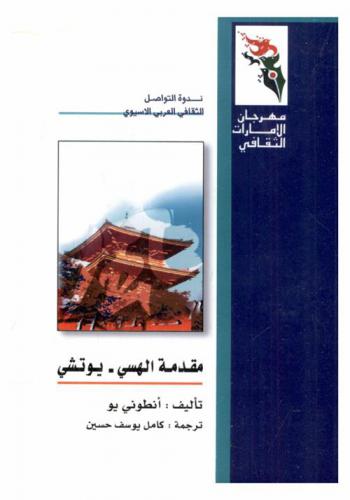
مقدمة الهسي-يوتشي
يتناول الكتاب تعريف دقيق بعالم الرائعة الصينية الخالدة الهسي يو-تشي أو (الرحلة إلى الغرب) ومع محاولة جادة ورصينة للكشف عن مغاليقها وأسرارها واكتناه غموضها وسبر أغوارها، يتكامل هذا كله بتحليل شائق لأبطال الرحلة إلى الغرب والعالم الخلفي الذي نبعوا منه والأهداف التي سعوا إلى تحقيقها من وراء رحلتهم العجيبة وما انتهى إليه مصير كل منهم في ختمها، باستثناء كتاب واحد يحمل عنوان جبل اللهب صادر في بكين، فإن هذا الكتاب الماثل بين يدي القارئ يعد المحاولة الأخيرة لتقديم الهسي يوسوليو تشي للقارئ العربي بلغة الضاد.
BOOK

Cosmic structure as the quantum interference of a coherent dark wave
A cosmological model treating dark matter as a coherent quantum wave agrees well with conventional dark-matter theory on an astronomical scale. But on smaller scales, the quantum nature of wave-like dark matter can explain dark-matter cores that are observed in dwarf galaxies, which standard theory cannot.
The conventional cold-particle interpretation of dark matter (known as ‘cold dark matter’, or CDM) still lacks laboratory support and struggles with the basic properties of common dwarf galaxies, which have surprisingly uniform central masses and shallow density profiles
1
,
2
,
3
,
4
,
5
. In contrast, galaxies predicted by CDM extend to much lower masses, with steeper, singular profiles
6
,
7
,
8
,
9
. This tension motivates cold, wavelike dark matter (ψDM) composed of a non-relativistic Bose–Einstein condensate, so the uncertainty principle counters gravity below a Jeans scale
10
,
11
,
12
. Here we achieve cosmological simulations of this quantum state at unprecedentedly high resolution capable of resolving dwarf galaxies, with only one free parameter,
m
B
, the boson mass. We demonstrate the large-scale structure is indistinguishable from CDM, as desired, but differs radically inside galaxies where quantum interference forms solitonic cores surrounded by extended haloes of fluctuating density granules. These results allow us to determine
eV using stellar phase-space distributions in dwarf spheroidal galaxies. Denser, more massive solitons are predicted for Milky Way sized galaxies, providing a substantial seed to help explain early spheroid formation. The onset of galaxy formation is substantially delayed relative to CDM, appearing at redshift
z
≲ 13 in our simulations.
Journal Article

Effect of interplay between age and low-flow duration on neurologic outcomes of extracorporeal cardiopulmonary resuscitation
Purpose
Caseloads of extracorporeal cardiopulmonary resuscitation (ECPR) have increased considerably, and hospital mortality rates remain high and unpredictable. The present study evaluated the effects of the interplay between age and prolonged low-flow duration (LFD) on hospital survival rates in elderly patients to identify subgroups that can benefit from ECPR.
Methods
Adult patients who received ECPR in our institution (2006–2016) were classified into groups 1, 2, and 3 (18–65, 65–75, and > 75 years, respectively). Data regarding ECPR and adverse events during hospitalization were collected prospectively. The primary end point was favorable neurologic outcome (cerebral performance category 1 or 2) at hospital discharge.
Results
In total, 482 patients were divided into groups 1, 2, and 3 (70.5%, 19.3%, and 10.2%, respectively). LFDs were comparable among the groups (40.3, 41.0, and 44.3 min in groups 1, 2, and 3,
P
= 0.781, 0.231, and 0.382, respectively). Favorable neurologic outcome rates were nonsignificantly lower in group 3 than in the other groups (27.6%, 24.7%, and 18.4% for group 1, 2, and 3, respectively). Subgroup analysis revealed that the favorable neurologic outcome rates in group 1 were 36.7%, 25.4%, and 13.0% for LFDs of < 30, 30–60, and > 60 min, respectively (
P
= 0.005); in group 2, they were 32.1%, 21.2%, and 23.1%, respectively (
P
= 0.548); in group 3 they were 25.0%, 20.8%, and 0.0%, respectively (
P
= 0.274).
Conclusion
On emergency consultation for ECPR, age and low-flow duration should be considered together to predict neurologic outcome.
Journal Article

Cardiopulmonary resuscitation with assisted extracorporeal life-support versus conventional cardiopulmonary resuscitation in adults with in-hospital cardiac arrest: an observational study and propensity analysis
Extracorporeal life-support as an adjunct to cardiac resuscitation has shown encouraging outcomes in patients with cardiac arrest. However, there is little evidence about the benefit of the procedure compared with conventional cardiopulmonary resuscitation (CPR), especially when continued for more than 10 min. We aimed to assess whether extracorporeal CPR was better than conventional CPR for patients with in-hospital cardiac arrest of cardiac origin.
We did a 3-year prospective observational study on the use of extracorporeal life-support for patients aged 18–75 years with witnessed in-hospital cardiac arrest of cardiac origin undergoing CPR of more than 10 min compared with patients receiving conventional CPR. A matching process based on propensity-score was done to equalise potential prognostic factors in both groups, and to formulate a balanced 1:1 matched cohort study. The primary endpoint was survival to hospital discharge, and analysis was by intention to treat. This study is registered with
ClinicalTrials.gov, number
NCT00173615.
Of the 975 patients with in-hospital cardiac arrest events who underwent CPR for longer than 10 min, 113 were enrolled in the conventional CPR group and 59 were enrolled in the extracorporeal CPR group. Unmatched patients who underwent extracorporeal CPR had a higher survival rate to discharge (log-rank p<0·0001) and a better 1-year survival than those who received conventional CPR (log rank p=0·007). Between the propensity-score matched groups, there was still a significant difference in survival to discharge (hazard ratio [HR] 0·51, 95% CI 0·35–0·74, p<0·0001), 30-day survival (HR 0·47, 95% CI 0·28–0·77, p=0·003), and 1-year survival (HR 0·53, 95% CI 0·33–0·83, p=0·006) favouring extracorporeal CPR over conventional CPR.
Extracorporeal CPR had a short-term and long-term survival benefit over conventional CPR in patients with in-hospital cardiac arrest of cardiac origin.
National Science Council, Taiwan.
Journal Article

Is a timely assessment of the hematocrit necessary for cardiovascular magnetic resonance–derived extracellular volume measurements?
Background
Cardiovascular magnetic resonance (CMR)–derived extracellular volume (ECV) requires a hematocrit (Hct) to correct contrast volume distributions in blood. However, the timely assessment of Hct can be challenging and has limited the routine clinical application of ECV. The goal of the present study was to evaluate whether ECV measurements lead to significant error if a venous Hct was unavailable on the day of CMR.
Methods
109 patients with CMR T1 mapping and two venous Hcts (Hct
0
: a Hct from the day of CMR, and Hct
1
: a Hct from a different day) were retrospectively identified. A synthetic Hct (Hct
syn
) derived from native blood T1 was also assessed. The study used two different ECV methods, (1) a conventional method in which ECV was estimated from native and postcontrast T1 maps using a region-based method, and (2) an inline method in which ECV was directly measured from inline ECV mapping. ECVs measured with Hct
0
, Hct
1
, and Hct
syn
were compared for each method, and the reference ECV (ECV
0
) was defined using the Hct
0
. The error between synthetic (ECV
syn
) and ECV
0
was analyzed for the two ECV methods.
Results
ECV measured using Hct
1
and Hct
syn
were significantly correlated with ECV
0
for each method. No significant differences were observed between ECV
0
and ECV measured with Hct
1
(ECV
1
; 28.4 ± 6.6% vs. 28.3 ± 6.1%, p = 0.789) and between ECV
0
and ECV calculated with Hct
syn
(ECV
syn
; 28.4 ± 6.6% vs. 28.2 ± 6.2%, p = 0.45) using the conventional method. Similarly, ECV
0
was not significantly different from ECV
1
(28.5 ± 6.7% vs. 28.5 ± 6.2, p = 0.801) and ECV
syn
(28.5 ± 6.7% vs. 28.4 ± 6.0, p = 0.974) using inline method. ECV
syn
values revealed relatively large discrepancies in patients with lower Hcts compared with those with higher Hcts.
Conclusions
Venous Hcts measured on a different day from that of the CMR examination can still be used to measure ECV. ECV
syn
can provide an alternative method to quantify ECV without needing a blood sample, but significant ECV errors occur in patients with severe anemia.
Journal Article

An inhibitor of oxidative phosphorylation exploits cancer vulnerability
Metabolic reprograming is an emerging hallmark of tumor biology and an actively pursued opportunity in discovery of oncology drugs. Extensive efforts have focused on therapeutic targeting of glycolysis, whereas drugging mitochondrial oxidative phosphorylation (OXPHOS) has remained largely unexplored, partly owing to an incomplete understanding of tumor contexts in which OXPHOS is essential. Here, we report the discovery of IACS-010759, a clinical-grade small-molecule inhibitor of complex I of the mitochondrial electron transport chain. Treatment with IACS-010759 robustly inhibited proliferation and induced apoptosis in models of brain cancer and acute myeloid leukemia (AML) reliant on OXPHOS, likely owing to a combination of energy depletion and reduced aspartate production that leads to impaired nucleotide biosynthesis. In models of brain cancer and AML, tumor growth was potently inhibited in vivo following IACS-010759 treatment at well-tolerated doses. IACS-010759 is currently being evaluated in phase 1 clinical trials in relapsed/refractory AML and solid tumors.
A new inhibitor targeting the mitochondrial complex I shows antitumor activity in preclinical models of acute myeloid leukemia and glioblastoma relying on oxidative phosphorylation.
Journal Article

Prognostic factors for heart recovery in adult patients with acute fulminant myocarditis and cardiogenic shock supported with extracorporeal membrane oxygenation
Extracorporeal membrane oxygenation (ECMO) is an effective support method for acute fulminant myocarditis (AFM) with cardiogenic shock. However, deciding whether to bridge to a left ventricular assist device (LVAD) or to maintain ECMO support until heart recovery is still controversial.
This was a retrospective observational study from a single center. Eighty-eight adults with AFM and ECMO support between 2006 and 2018 were included. The primary endpoint was heart recovery without heart transplantation or long-term LVAD support.
The heart recovery group contained 43 patients, of whom 41 were discharged after being weaned off ECMO and the other two after LVAD. Five patients with heart transplants and one with long-term LVAD support were discharged, accounting for an overall survival of 55.7%. Multivariate logistic regression revealed that peak CK-MB level, severe intraventricular conduction disturbance (asystole) and malignant arrhythmia (VT or VF) were prognostic factors for nonrecovery (P = .027 and 0.017, respectively), while early intravenous immunoglobulin (IVIG) use before ECMO was highly likely to have a protective effect with a trend toward statistical significance (P = .079). A risk score was developed: 4 points for VT/VF/asystole, 1 point for every 100 μg/L increase in the peak CK-MB level, up to a maximum of 5 points, and −3 points for early IVIG use. The area under the receiver operating characteristic (ROC) curve (AUC) was 0.818.
High CK-MB levels and VT/VF/asystole in patients with AFM are associated with poor heart recovery. Early IVIG use shows a potentially protective effect.
•ECMO treatment for acute fulminant myocarditis (AFM) can achieve acceptable hospital outcomes in adult patients.•Whether to bridge to LVAD or to maintain ECMO support until heart recovery is still controversial in AMF with ECMO support.•High CK-MB levels and severe malignant arrhythmia (VT/VF/asystole) are associated with poor heart recovery.
Journal Article

A machine learning algorithm predicts molecular subtypes in pancreatic ductal adenocarcinoma with differential response to gemcitabine-based versus FOLFIRINOX chemotherapy
Development of a supervised machine-learning model capable of predicting clinically relevant molecular subtypes of pancreatic ductal adenocarcinoma (PDAC) from diffusion-weighted-imaging-derived radiomic features.
The retrospective observational study assessed 55 surgical PDAC patients. Molecular subtypes were defined by immunohistochemical staining of KRT81. Tumors were manually segmented and 1606 radiomic features were extracted with PyRadiomics. A gradient-boosted-tree algorithm was trained on 70% of the patients (N = 28) and tested on 30% (N = 17) to predict KRT81+ vs. KRT81- tumor subtypes. A gradient-boosted survival regression model was fit to the disease-free and overall survival data. Chemotherapy response and survival were assessed stratified by subtype and radiomic signature. Radiomic feature importance was ranked.
The mean±STDEV sensitivity, specificity and ROC-AUC were 0.90±0.07, 0.92±0.11, and 0.93±0.07, respectively. The mean±STDEV concordance indices between the disease-free and overall survival predicted by the model based on the radiomic parameters and actual patient survival were 0.76±0.05 and 0.71±0.06, respectively. Patients with a KRT81+ subtype experienced significantly diminished median overall survival compared to KRT81- patients (7.0 vs. 22.6 months, HR 4.03, log-rank-test P = <0.001) and a significantly improved response to gemcitabine-based chemotherapy over FOLFIRINOX (10.14 vs. 3.8 months median overall survival, HR 2.33, P = 0.037) compared to KRT81- patients, who responded significantly better to FOLFIRINOX over gemcitabine-based treatment (30.8 vs. 13.4 months median overall survival, HR 2.41, P = 0.027). Entropy was ranked as the most important radiomic feature.
The machine-learning based analysis of radiomic features enables the prediction of subtypes of PDAC, which are highly relevant for disease-free and overall patient survival and response to chemotherapy.
Journal Article

Effects of Additional Intra-aortic Balloon Counter-Pulsation Therapy to Cardiogenic Shock Patients Supported by Extra-corporeal Membranous Oxygenation
Extra-corporeal membranous oxygenation (ECMO) has been applied in patients with cardiopulmonary failure. One critical drawback of peripheral ECMO is an increase in left ventricular (LV) afterload which could be counterbalanced by the combination of intra-aortic balloon counter-pulsation (IABP) therapy. We hypothesized that an add-on therapy with IABP could improve outcomes in patients receiving ECMO support. We included patients (>18 years old) from 2002 to 2013 requiring ECMO support due to cardiogenic shock in a medical center. A total of 529 patients (227 ECMO alone and 302 combined IABP plus ECMO) were included. The mortality rates at 2 weeks (48.5 vs. 47.7%) after ECMO implantation were not different between the two groups (ECMO vs. combined group). After adjustment for propensity score and potential confounders, the odds ratios of outcomes within 14 days (combined group vs. ECMO) for poor LV systolic function, high preload, multi-organ failure and mortality were not different. The results remained similar for subgroup analysis. Compared with ECMO alone, combined IABP and ECMO treatment did not improve outcomes in patients with circulatory failure.
Journal Article

The burden of frailty in heart failure: Prevalence, impacts on clinical outcomes and the role of heart failure medications
Background Frailty often coexists with heart failure (HF), which significantly aggravates the clinical outcomes of older adults. However, studies investigating the interplay between frailty and HF in older adults are scarce. We aimed to assess the prevalence of frailty using the cumulative deficit approach and evaluate the impacts of frailty on health utilization, use of HF‐related medications and adverse clinical outcomes (all‐cause mortality, all‐cause readmissions and HF readmissions) among older HF patients. Methods A total of 38 843 newly admitted HF patients were identified from Taiwan's National Health Insurance Research Database and categorized into three frailty subgroups (fit, mild frailty and severe frailty) based on the multimorbidity frailty index. Cox regression models and Fine and Gray subdistribution hazard models were used to estimate the impacts of frailty on clinical outcomes at 1 and 2 years of follow‐up. Generalized estimating equation models were further conducted to evaluate the associations between longitudinal and time‐varying use of HF‐related medications and clinical outcomes among distinct frailty subgroups. Results Of 38 843 older HF patients (mean age 80.4 ± 8.5 years, 52.3% females) identified, 68.3% were categorized as frail (47.5% of mild frailty and 20.8% of severe frailty). The median number of readmissions (fit: 1 [inter‐quartile range—IQR 2], mild frailty: 1 [IQR 2] and severe frailty: 2 [IQR 3]) increased with the severity of frailty. Only 27.3% of HF patients died of cardiovascular diseases regardless of their frailty status. Compared with the fit group, the severe frailty group was associated with increased risk of all‐cause mortality (adjusted hazard ratio 1.16, 95% confidence interval [CI] 1.11–1.21), all‐cause readmissions (subdistributional hazard ratio (sHR) 1.21, 95% CI 1.16–1.25) and HF‐related readmissions (sHR 1.14, 95% CI 1.09–1.20) at 2 years of follow‐up. Those who used triple or more HF‐related medications were at lower risk for all‐cause readmissions (adjusted odds ratio [aOR] 0.49, 95% CI 0.44–0.54) and HF‐related readmissions (aOR 0.42, 95% CI 0.37–0.47) at 2 years of follow‐up even in the severe frailty group. Conclusions Frailty is highly prevalent and associated with increased risk of all‐cause mortality, all‐cause readmissions and HF readmissions among older HF patients. Those who were using triple or more HF‐related medications were at lower risk of adverse clinical outcomes across distinct frailty subgroups. Further studies are needed to optimize the treatment strategies for older HF patients with distinct frailty status.
Journal Article