
Catalogue Search | MBRL


Are you sure you want to remove the book from the shelf?

{{itemTitle}}
588
result(s) for
"Yu, Zhi-Guo"
Sort by:

Evaluation of Bubbling Vacuum Cooling for the Small-Size Cooked Pork
Vacuum cooling has notable advantages including fast cooling rate, cleanness, and high energy efficiency. However, the weight loss of food after being vacuum cooled was unsatisfactory, especially for meat products. Immersion vacuum cooling can significantly reduce the weight loss of food compared with traditional vacuum cooling procedures, but the cooling rate is unacceptable. To overcome this problem, here, a novel vacuum cooler, bubbling vacuum cooler, was designed and evaluated for the small-size cubic cooked pork with a side length of 1.5 cm from about 60 to 4 °C. Experimental results indicated that bubbling vacuum cooling can reduce the weight loss (about − 2.3%) of food compared to both vacuum cooling (about 12.4%) and immersion vacuum cooling (about 0.5%) (
P
< 0.05). Further, bubbling vacuum cooling can cool the sample with a slightly more rapid cooling rate (0.10 °C/s) contrasted with immersion vacuum cooling (0.07 °C/s) (
P
> 0.05). For the chromatism value of sample, no significant difference was found between immersion vacuum cooling and bubbling vacuum cooling (
P
> 0.05). The textural property of sample cooled by bubbling vacuum cooling was close to (for hardness, elasticity, chewiness, and shear force,
P
> 0.05) and better (for cohesiveness,
P
< 0.05) than that of immersion vacuum cooling. Thus, our experiment demonstrated that cooked pork cooled by bubbling vacuum cooling has a lower weight loss rate and a more rapid cooling rate than that of immersion cooling.
Journal Article


Design and Switching Characteristics of Flip-Chip GaN Half-Bridge Modules Integrated with Drivers
Half-bridge modules with integrated GaN high electron mobility transistors (HEMTs) and driver dies were designed and fabricated in this research. Our design uses flip-chip technology for fabrication, instead of more generally applied wire bonding, to reduce parasitic inductance in both the driver-gate and drain-source loops. Modules were prepared using both methods and the double-pulse test was applied to evaluate and compare their switching characteristics. The gate voltage (Vgs) waveform of the flip-chip module showed no overshoot during the turn-on period, and a small oscillation during the turn-off period. The probabilities of gate damage and false turn-on were greatly reduced. The inductance in the drain-source loop of the module was measured to be 3.4 nH. The rise and fall times of the drain voltage (Vds) were 12.9 and 5.8 ns, respectively, with an overshoot of only 4.8 V during the turn-off period under Vdc = 100 V. These results indicate that the use of flip-chip technology along with the integration of GaN HEMTs with driver dies can effectively reduce the parasitic inductance and improve the switching performance of GaN half-bridge modules compared to wire bonding.
Journal Article

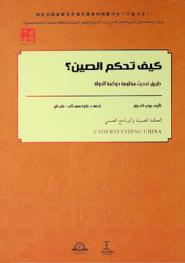
تحديث الاقتصاد الصيني
في كتابه \"تحديث الاقتصاد الصيني\" يتناول تشياو جنغ عملية الإصلاح الاقتصادي في الصين خلال ثلاثة عقود تم فيها وصف التطور السريع لاقتصاد الصين ب\"المعجزة الاقتصادية\"، ولكنه وصف غير دقيق -بتعبير المؤلف- وبمعنى أكثر دقة، يعتبر التطور السريع لاقتصاد الصين مجرد عملية انتعاش اقتصادي. إنها عملية مواكبة لاقتصادات الأسواق في المناطق المتقدمة.
Book

Effect of vacuum cooling on stability of macro‐porous sausage during refrigerated storage—Vacuum‐cooled sausage has a longer shelf life
In this study, two types of cooling methods (vacuum cooling and air cooling) were used to cool cooked macro‐porous sausage. Alterations in the microbiological conditions, pH, instrumental color (L*, a*, and b*), total volatile nitrogenous bases (TVB‐N), lipid oxidation (TBARS), water activity (aW), moisture content, and texture indicators were evaluated to determine sausages' quality changes during storage under refrigeration for up to 10 days. In general, the shelf life of sausages chilled by vacuum cooling (8 days) was similar to that of sausages cooled by air cooling (9 days). For pH, no significant difference (p > .05) was obtained between two cooling methods. However, vacuum‐cooled sausages have lower L* value (p < .05), lower moisture content, and water activity compared with the air‐cooled sausages. However, sausages cooled by vacuum cooling showed a sharp increase in TBARS and TVB‐N values but maintained texture characteristics for a longer time compared with air‐cooled sausages. Although the results indicated that the quality of sausages treated by those two methods remarkably decreased after 7 days, characteristics of sausages cooled by vacuum cooling are better within accepted standards compared with air‐cooled sausages. In conclusion, vacuum cooling can be a feasible cooling method with great potential to be used in cooked macro‐porous sausages to maintain the quality and may provide reference experiences for the food with similar structure. Two types of cooling methods (vacuum cooling and air cooling) were used to cool cooked macro‐porous sausages, which will store almost 10 days at 4°C. Storage stability is primarily assessed by physical, chemical, and microbial parameters.
Journal Article
Metabolomics-based comparative analysis of the effects of host and environment on Viscum coloratum metabolites and antioxidative activities
Viscum coloratum (Kom.) Nakai is a well-known medicinal hemiparasite widely distributed in Asia. The synthesis and accumulation of its metabolites are affected by both environmental factors and the host plants, while the latter of which is usually overlooked. The purpose of this study was to comprehensively evaluate the effects of host and habitat on the metabolites in V. coloratum through multiple chemical and biological approaches. The metabolite profile of V. coloratum harvested from three different host plants in two habitats were determined by multiple chemical methods including high-performance liquid chromatography-ultraviolet (HPLC-UV), gas chromatography-flame ionization detector (GC-FID) and ultra-performance liquid chromatography quadrupole time of flight mass spectrometry (UPLC-QTOF/MS). The differences in antioxidant efficacy of V. coloratum were determined based on multiple in vitro models. The multivariate statistical analysis and data fusion strategy were applied to analyze the differences in metabolite profile and antioxidant activity of V. coloratum. Results indicated that the metabolite profile obtained by various chemical approaches was simultaneously affected by host and environment factors, and the environment plays a key role. Meanwhile, three main differential metabolites between two environment groups were identified. The results of antioxidant assay indicated that the environment has greater effects on the biological activity of V. coloratum than the host. Therefore, we conclude that the integration of various chemical and biological approaches combined with multivariate statistical and data fusion analysis, which can determine the influences of host plant and habitat on the metabolites, is a powerful strategy to control the quality of semi-parasitic herbal medicine.
[Display omitted]
•The effects of environment and host on the metabolites and antioxidant activity of V. coloratum were investigated•Metabolite of V. coloratum were simultaneously affected by host and environment, and the environment plays a key role.•The identification of three differential metabolites between two origin groups was achieved.•The integration of chemical and biological approaches is a powerful strategy to control the quality of herbal medicine.
Journal Article

Synthesis, pharmacological evaluation and molecular docking of novel R-/S-2-(2-hydroxypropanamido)-5-trifluoromethyl benzoic acid as dual anti-inflammatory anti-platelet aggregation agents
R
-/
S
-2-(2-hydroxypropanamido) benzoic acid (
R
-/
S
-HPABA), marine-derived anti-inflammatory antiplatelet drugs, were initially synthesised in our group. However, preliminary research showed that
R
-/
S
-HPABA were eliminated rapidly because of extensive hydroxylation metabolism of phenyl ring in vivo. In order to reduce significant hydroxylation metabolism to improve pharmacological activity and bioavailability, trifluoromethyl group was incorporated into
R
-/
S
-HPABA to synthesise
R
-/
S
-2-(2-hydroxypropanamido)-5-trifluoromethyl benzoic acid (
R
-/
S
-HFBA), respectively. The purposes of this study were to report the synthesis of
R
-/
S
-HFBA and compare the anti-inflammatory antiplatelet effect and pharmacokinetic properties of
R
-/
S
-HFBA with those of
R
-/
S
-HPABA. Carrageenan-induced rat paw edema assay was used for the evaluation of the anti-inflammatory activity.
R
-/
S
-HFBA showed better results in inhibiting edema and were able to prolong the anti-inflammatory effect after carrageenan injection. The antiplatelet aggregation activity of
R
-/
S
-HFBA and
R
-/
S
-HPABA was studied on arachidonic acid-induced platelet aggregation of rabbit platelet-rich plasma. The aggregation inhibition rate of
R-
/
S
-HFBA was significantly (
p
< 0.05) higher than that of
R-
/
S
-HPABA, respectively. Molecular docking study revealed that
R
-/
S
-HFBA possess more potent binding affinity with COX-1/COX-2 than
R
-/
S
-HPABA, respectively, and that the presence of trifluoromethyl group leads to increase in activity of
R
-/
S
-HFBA.
R
-/
S
-HFBA also afford more favorable pharmacokinetic properties than
R-
/
S
-HPABA, respectively, such as higher
C
max
, larger
AUC
0-∞
, and longer
t
1/2
, which, as expected, are more metabolically stable.
Journal Article

Clonorchis sinensis infection induces hepatobiliary injury via disturbing sphingolipid metabolism and activating sphingosine 1-phosphate receptor 2
Clonorchis sinensis (C. sinensis) infection induces severe hepatobiliary injuries, which can cause inflammation, periductal fibrosis, and even cholangiocarcinoma. Sphingolipid metabolic pathways responsible for the generation of sphingosine-1-phosphate (S1P) and its receptor S1P receptors (S1PRs) have been implicated in many liver-related diseases. However, the role of S1PRs in C. sinensis -mediated biliary epithelial cells (BECs) proliferation and hepatobiliary injury has not been elucidated. In the present study, we found that C. sinensis infection resulted in alteration of bioactive lipids and sphingolipid metabolic pathways in mice liver. Furthermore, S1PR2 was predominantly activated among these S1PRs in BECs both in vivo and in vitro . Using JTE-013, a specific antagonist of S1PR2, we found that the hepatobiliary pathological injuries, inflammation, bile duct hyperplasia, and periductal fibrosis can be significantly inhibited in C. sinensis -infected mice. In addition, both C. sinensis excretory-secretory products (CsESPs)- and S1P-induced activation of AKT and ERK1/2 were inhibited by JTE-013 in BECs. Therefore, the sphingolipid metabolism pathway and S1PR2 play an important role, and may serve as potential therapeutic targets in hepatobiliary injury caused by C. sinensis -infection.
Journal Article

Impacts of surface water interchange between urban rivers and fish ponds in Chu river of Nanjing, China: A potential cause of greenhouse gas emissions
Surface water interchange between aquaculture ponds and urban rivers is commonly used for the abatement of water pollution and regulating ecological services. Although, underlying impact of surface water interchange for greenhouse gas (GHG) emissions is yet to be explored. In this study, sediment microcosm incubation and field observation has been employed to understand the impact of surface water interchange on GHG potential over aquaculture ponds and urban rivers, and further characterize their underlying mechanism. Results showed that Fish pond interchange (P int ) and Chu River riparian (CRR) exhibit a similar variation pattern of GHG emission rate. Consequently, annual accumulative emissions of methane, carbon dioxide, and nitrous oxide of CRR were 0.89, 2.1, and 20.83 folds than that of P int , respectively. For the incubation experiment, primarily it was assessed that fish-pond-overlying water treatments had larger accumulative GHG emissions than deionized water treatments, which is in agreement with the field observation. Secondly, the process of surface water interchange altered the concentrations of nutrients in benthic sediment from both sites of CRR and P int , thereby increased the GHG accumulative in the CRR and showing reciprocate results in case of P int . This study could be helpful to reduce the potential GHG emissions from urban freshwater bodies in the future by adopting strategic mitigation measures like catchment area treatment plans in the vicinity of urban river catchment.
Journal Article