
Catalogue Search | MBRL


Are you sure you want to remove the book from the shelf?

{{itemTitle}}
8,640
result(s) for
"Zhang, Li-Wei"
Sort by:
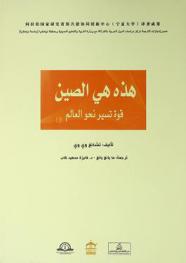
هذه هي الصين : قوة تسير نحو العالم
يركز كتاب \"هذه هي الصين\" على سرد قصص تنمية الصين في العصر الجديد. وقد غير الدكتور تشانغ وي وي طريقته المعروفة بالتوجيه والإرشاد في البرامج الأيديولوجية والنظرية في الماضي، وعبر عنها بلغة شعبية سائغة، وحجج منطقية صارمة، وبيانات حقيقية، وتصادمات صريحة للأفكار، وتقنيات عرض مبتكرة لمساعدة الجمهور على فهم النموذج الصيني والطريق الصيني، وتعزيز ثقتهم بمستقبل الصين.
Book

STEP to blood pressure management of elderly hypertension: evidence from Asia
With a rapidly aging population, adequate blood pressure (BP) control is critical for hypertension management and prevention of cardiovascular events. Impressive cardiovascular benefits have been observed with intensive BP control (SBP target, <120 mmHg) in the SPRINT (Systolic Blood Pressure Intervention Trial) study, even in patients 75 years of age or older. A most recent meta-analysis including 51 randomized trials with over 350,000 participants from the BPLTTC (The Blood Pressure Lowering Treatment Trialists’ Collaboration) showed that BP lowering is effective in older people for reducing major cardiovascular events. The STEP (Strategy of Blood Pressure Intervention in the Elderly Hypertensive Patients) study—a multicenter, randomized, controlled trial conducted in China, provided important evidence that intensive BP treatment (SBP target, 110 mmHg to <130 mmHg) benefits older hypertensive patients (aged 60–80 years) and reduced the incidence of cardiovascular events than standard treatment (target 130 mmHg to <150 mmHg). Because Asian people have a higher burden of hypertension and stroke than Caucasian people, intensive BP treatment has more advantages in reducing the risk of cardiovascular events including stroke in Asian hypertensive patients than in Caucasian people. Home BP monitoring is helpful to facilitate hypertension management for older patients. It should also be noted that clinical decision-making should be on a patient basis, such as fragility, diabetes, stroke, and other comorbidities, with tailored BP targets. Here we review the important clinical trials of BP control in elderly hypertension, interpretate the main findings of STEP, and also discuss the perspectives of managing hypertension in Asia.
Journal Article


Phillygenin Attenuated Colon Inflammation and Improved Intestinal Mucosal Barrier in DSS-induced Colitis Mice via TLR4/Src Mediated MAPK and NF-κB Signaling Pathways
Ulcerative colitis (UC) is a chronic, relapsing, and nonspecific inflammatory bowel disease (IBD). Phillygenin (PHI), a natural bioactive ingredient, isolated from Forsythiae Fructus, exhibits anti-inflammatory, anti-oxidative, and hepatoprotective activities. However, few reports provide direct evidence on the efficacy of PHI in improving colitis mice. The present study elucidated that the symptoms of DSS-induced colitis mice were alleviated after PHI administration, including body weight loss, the disease activity index, colon length shortening, colonic pathological damage, splenomegaly, and hepatomegaly. PHI treatment improved the intestinal mucosal barrier by protecting goblet cells, promoting gene expressions of Clca1, Slc26a3, and Aqp8, increasing tight junction proteins (TJs), and reducing epithelial cell apoptosis. In addition, the levels of oxidative stress (MPO, SOD, and MDA) and inflammatory cytokines (TNF-α, IL-1β, IL-6, and IL-10) were reversed by PHI in colitis mice. According to transcriptome and network pharmacology analysis, inflammatory pathway might be an important mechanism for PHI to improve colitis. Western blotting displayed that the PHI inhibited the activation of tyrosine kinase Src mediated by TLR4, and then reduced the phosphorylation of downstream proteins p38, JNK, and NF-κB in colitis mice. In summary, our results suggested that PHI might be an appropriate and effective drug candidate to protect colitis.
Journal Article

Is hydroxychloroquine effective in treating primary Sjogren’s syndrome: a systematic review and meta-analysis
Background
To systematically review and assess the efficacy and safety of hydroxychloroquine (HCQ) for treating primary Sjogren’s syndrome (pSS).
Methods
Five electronic databases (Pubmed, EMBASE, Web of science, Ovid, Cochrane Library) were searched for randomized controlled trials and retrospective or prospective studies published in English that reported the effect of HCQ on pSS. The subjective symptoms (sicca symptoms, fatigue and pain) and the objective indexes (erythrocyte sedimentation rate and Schirmer test) were assessed as main outcome measures. A meta-analysis and descriptive study on the efficacy and safety of HCQ were conducted. The estimate of the effect of HCQ treatment was expressed as a proportion together with 95% confidence interval, and plotted on a forest plot.
Results
Four trials with totals of 215 SS patients, including two randomized controlled trials, one double blind crossover trial and one retrospective open-label study, were analyzed in this review. For dry mouth and dry eyes, the effectiveness of HCQ treatment was essentially the same as placebo treatment. For fatigue, the effectiveness of HCQ was lower than placebo. The efficacy of HCQ in treating pain associated with pSS was superior to that of the placebo. There was no significant difference between HCQ-treated groups and controls in terms of Schirmer test results, but HCQ could reduce the erythrocyte sedimentation rate compare with placebo. A descriptive safety assessment showed that gastrointestinal adverse effects were the most common adverse effects associated with HCQ.
Conclusions
This systematic review showed that there is no significant difference between HCQ and placebo in the treatment of dry mouth and dry eye in pSS. Well-designed, randomized, controlled trials are needed to provide higher-quality evidence to confirm our findings, and future studies should focus on some other index or extraglandular measures, such as cutaneous manifestations, to further explore the therapeutic effect of HCQ in pSS.
Journal Article

Application of MALDI-TOF mass spectrometry for identification of Nocardia species
Background
Nocardiosis, despite its rarity and underreporting, is significant due to its severe impact, characterized by high morbidity and mortality rates. The development of a precise, reliable, rapid, and straightforward technique for identifying the pathogenic agent in clinical specimens is crucial to reduce fatality rates and facilitate timely antimicrobial treatment. In this study, we aimed to identify
Nocardia
spp. in clinical isolates, using MALDI-TOF MS as the primary method, with molecular methods as the gold standard. Clinical
Nocardia
isolates were identified using
16S rRNA/hsp65/gyrB/secA1/rpoB
gene sequencing. Identification performance of the Bruker MALDI Biotyper 3.1 (V09.0.0.0_8468) and MBT Compass 4.1 (V11.0.0.0_10833) for
Nocardia
identification was evaluated.
Results
Seventy-six Nocardia isolates were classified into 12 species through gene sequencing. The MALDI Biotyper 3.1 (V09.0.0.0_8468) achieved 100% genus-level accuracy and 84.2% species accuracy (64/76). The MBT Compass 4.1 with the BDAL Database (V11.0.0.0_10833) improved species identification to 98.7% (75/76). The updated database enhanced species level identification with scores > 1.7, increasing from 77.6% (59/76) to 94.7% (72/76), a significant improvement (
P
= 0.001). The new and simplified extraction increased the proportion of strains identified to the species level with scores > 1.7 from 62.0% (18/29) to 86.2% (25/29) (
P
= 0.016). An in-house library construction ensured accurate species identification for all isolates.
Conclusions
The Bruker mass spectrometer can accurately identify
Nocardia
species, albeit with some variations observed between different database versions. The MALDI Biotyper 3.1 (V09.0.0.0_8468) has limitations in identifying
Nocardia brasiliensis
, with some strains only identifiable to the genus level. MBT Compass 4.1 (V11.0.0.0_10833) effectively addresses this shortfall, improving species identification accuracy to 98.7%, and offering quick and reliable identification of
Nocardia
. Both database versions incorrectly identified the clinically less common
Nocardia sputorum
as
Nocardia araoensis
. For laboratories that have not upgraded their databases and are unable to achieve satisfactory identification results for Nocardia, employing the new and simplified extraction method can provide a degree of improvement in identification outcomes.
Journal Article

Blood compatibility evaluation of polydopamine nanoparticles
Polydopamine nanoparticles (PDA NPs) exhibit numerous outstanding characteristics, including simple preparation, broad light absorption, drug binding ability, excellent biocompatibility and adhesive properties, making them suitable for biomedical application. However, the limited information on their hemocompatibility may hinder their progression from laboratory research to clinical application.
In this study, we investigated comprehensively the hemocompatibility of PDA NPs, assessed the effects of PDA NPs on red blood cells (RBCs) morphology and lysis, fibrinogen structure and conformation, blood coagulation, platelet activation, complement system activation, and organ toxicity.
The results indicated that PDA NPs can induce morphological changes and hemolysis in RBCs in a concentration-dependent manner. Interactions with fibrinogen suggested a disturbance in the protein's microenvironment without significantly altering its secondary structure. This study also revealed that PDA NPs have a concentration-dependent effect on blood coagulation, platelet activation, and complement system activation. Additionally, PDA NPs showed no significant acute toxicity after intravenous injection.
The findings offer important insights into the hemocompatibility of PDA NPs, which is essential for their safe and effective clinical use. Understanding their interactions with blood components is key to ensuring their compatibility in biomedical applications. These results are vital for guiding the development of PDA NPs for medical use, particularly in blood-contacting applications.
Journal Article

Highly Efficient Enzymatic Preparation of Daidzein in Deep Eutectic Solvents
Daidzein, which is scarce in nature, has gained significant attention due to its superior biological activity and bioavailability compared with daidzin. So far, it has been widely used in the medicine and health care products industries. The enzymatic approach for the preparation of daidzein has prevailed, benefitted by its high efficiency and eco-friendly nature. Our present research aimed at providing a preparation method of daidzein by enzymatic hydrolysis of daidzin in a new “green” reaction medium-deep eutectic solvents (DESs). Herein, the DESs were screened via evaluating enzyme activity, enzyme stability and the substrate solubility, and the DES (ChCl/EG 2:1, 30 vol %) was believed to be the most appropriate co-solvent to improve the bioconversion efficiency. Based on the yield of daidzein, response surface methodology (RSM) was employed to model and optimize the reaction parameters. Under these optimum process conditions, the maximum yield of 97.53% was achieved and the purity of daidzein crude product reached more than 70%, which is more efficient than conversions in DESs-free buffer. Importantly, it has been shown that DESs medium could be reused for six batches of the process with a final conversion of above 50%. The results indicated that this procedure could be considered a mild, environmentally friendly, highly efficient approach to the economical production of daidzein, with a simple operation process and without any harmful reagents being involved.
Journal Article
In Vitro Anticoagulant Activity and Active Components of Safflower Injection
Safflower injection is well-known as a traditional Chinese medicine used to improve the blood circulation. In this study, seven safflower injection samples from different companies were evaluated for their in vitro anticoagulant activity by measuring their activated partial thromboplastin time (APTT) and prothrombin time (PT) against human plasma. The screening results suggested that the safflower injections exhibited a significant prolonging influence on APTT (p < 0.05 vs. the control group), but not on prolonging PT (p > 0.05 vs. the control group). The safflower injection was separated into four fractions, and among them, fraction four demonstrated the most anticoagulant activity, with an APTT of 95.4 ± 1.4 s at a concentration of 4.0 μg/μL (p < 0.01 vs. control group). In addition, three active components, p-hydroxybenzaldehyde, p-hydroxy-cinnamic acid, and (8Z)-decaene-4,6-diyne-1-O-β-d-glucopyranoside were isolated from fraction four with Sephadex LH-20 and C18 column chromatography. All three active components showed significant prolonging of APTT (p < 0.05 vs. control group). Among them, p-hydroxy-cinnamic acid exhibited the most activity (p < 0.01 vs. control group). The results indicated that safflower injection strongly affects the intrinsic coagulation system, and we suggest that this might be the mechanism by which the safflower injection activates and promotes blood circulation.
Journal Article

Lactate dehydrogenase‐to‐albumin ratio: A superior inflammatory marker for predicting contrast‐associated acute kidney injury after percutaneous coronary intervention
Purpose Inflammation is commonly considered a mechanism underlying contrast‐associated acute kidney injury (CA‐AKI). This study aimed to explore the predictive capability of the novel inflammatory marker lactate dehydrogenase‐to‐albumin ratio (LAR) for CA‐AKI following percutaneous coronary intervention (PCI), and further compare it with other common inflammatory biomarkers. Methods This study enrolled 5,435 patients undergoing elective PCI. The primary outcome was CA‐AKI, and the secondary outcome was all‐cause mortality. All patients were grouped into three groups based on the LAR tertiles. Results Three hundred fifteen patients (5.8%) experienced CA‐AKI during hospitalization. The fully adjusted logistic regression suggested a significant increase in the risk of CA‐AKI in LAR Tertile 3 (odds ratio [OR]: 2.51, 95% confidence interval [CI]: 1.68−3.83, p < .001) and Tertile 2 (OR: 2.11, 95% CI: 1.42−3.20, p < .001) compared to Tertile 1. Additionally, receiver operating characteristic (ROC) analysis demonstrated that LAR exhibited significantly superior predictive capability for CA‐AKI compared to other inflammatory biomarkers. Regarding the secondary outcome, multivariate COX regression analysis showed a positive correlation between elevated LAR levels and all‐cause mortality. Conclusion In patients undergoing elective PCI, LAR was significantly independently associated with CA‐AKI, and it stood out as the optimal inflammatory biomarker for predicting CA‐AKI. Inflammation plays a significant role in the pathophysiology of contrast‐associated acute kidney injury (CA‐AKI). We revealed that the novel inflammatory marker lactate dehydrogenase to albumin ratio (LAR) was a valuable predictor for CA‐AKI, surpassing other common inflammatory markers.
Journal Article