
Catalogue Search | MBRL


Are you sure you want to remove the book from the shelf?

{{itemTitle}}
65,682
result(s) for
"Zhang, Wen"
Sort by:


Value-added assessment of career planning for vocational competence based on deep learning
To address the static limitations of current career assessment methods and the lack of a long-term perspective in planning strategies, this study constructs an intelligent analysis framework named Deep learning-driven Value-added Career Analytics Model (DV-CAM). Integrating Deep Learning (DL) with value-added assessment, the framework aims to realize dynamic and accurate evaluation of individual professional competencies and generate personalized career planning paths that maximize the benefits of long-term development. Specifically, DV-CAM first leverages Bidirectional Encoder Representations from Transformers (BERT) and Long Short-Term Memory (LSTM) to extract and dynamically update individual competency profiles from multi-source time-series data. Second, it designs a value-added evaluation index system covering the absolute level of competency, growth slope, growth curvature and stability to quantitatively diagnose development potential. Finally, under the framework of Deep Reinforcement Learning (DRL), this study takes competency status, value-added potential and job requirements as joint state inputs, and solves for the optimal sequence of career development actions by optimizing long-term cumulative rewards. Experiments based on the public Occupational Information Network (O*NET) dataset show that DV-CAM achieves a mean squared error of 0.0312 and a mean absolute error of 0.1289 for competency assessment on the test set. In planning tasks, its long-term cumulative reward and target job matching degree improvement rate reach 185.3% and 42.7% respectively, both outperforming various benchmark models. The results demonstrate that DV-CAM can diagnose competency status more accurately, and effectively guide individuals to achieve long-term career development goals through its forward-looking planning strategies. By combining the concept of value-added assessment with advanced deep learning technologies, this study provides a data-driven, dynamically perceivable and long-term oriented new paradigm for the fields of career planning and competency assessment.
Journal Article
كتاب الثقافة الصينية
وضع المؤلف في هذا الكتاب أنامله على ما يتميز بالسمات الخاصة من موضوعات ونقاط نيرة في الثقافة الصينية ليقدم تعريفا بها بشكل محدد ومعمق عبر بعض النماذج من الأمثلة والمعلومات، سعيا وراء إبراز لباب الثقافة الصينية بما فيه : المغزى المحتوى عليه والقيمة الجوهرية، وفي سبيل إلقاء الضوء على العالم الروحاني والخلق الثقافي بين جوانح الصينيين، وموقفهم من الحياة ونزعتهم في تقدير الجمال، رغبة منه في عرض صورتهم الإنسانية التي تتجسد في تقدير الطبيعة وحب الحياة، والتطلع إلى الرخاء واليسر، واللياقة والسماحة، وتفتح الذهن وسعة الصدر، والدأب في العمل والإبداع، والميل إلى فعل الخير.

Electron delocalization triggers nonradical Fenton-like catalysis over spinel oxides
Nonradical Fenton-like catalysis offers opportunities to overcome the low efficiency and secondary pollution limitations of existing advanced oxidation decontamination technologies, but realizing this on transition metal spinel oxide catalysts remains challenging due to insufficient understanding of their catalytic mechanisms. Here, we explore the origins of catalytic selectivity of Fe–Mn spinel oxide and identify electron delocalization of the surface metal active site as the key driver of its nonradical catalysis. Through fine-tuning the crystal geometry to trigger Fe–Mn superexchange interaction at the spinel octahedra, ZnFeMnO₄ with high-degree electron delocalization of the Mn–O unit was created to enable near 100% nonradical activation of peroxymonosulfate (PMS) at unprecedented utilization efficiency. The resulting surface-bound PMS* complex can efficiently oxidize electron-rich pollutants with extraordinary degradation activity, selectivity, and good environmental robustness to favor water decontamination applications. Our work provides a molecule-level understanding of the catalytic selectivity and bimetallic interactions of Fe–Mn spinel oxides, which may guide the design of low-cost spinel oxides for more selective and efficient decontamination applications.
Journal Article
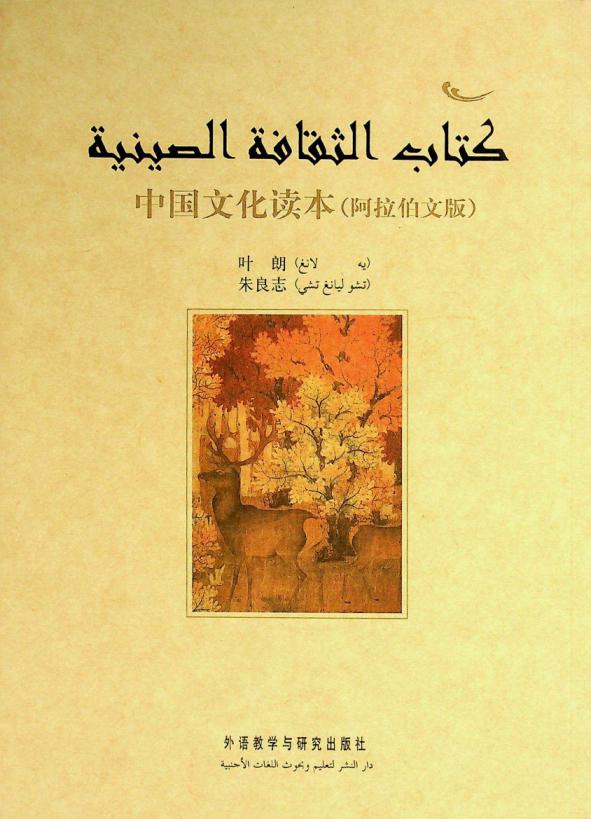
كتاب الثقافة الصينية
وضع المؤلف في هذا الكتاب أنامله على ما يتميز بالسمات الخاصة من موضوعات ونقاط نيرة في الثقافة الصينية ليقدم تعريفا بها بشكل محدد ومتعمق عبر بعض النماذج من الأمثلة والمعلومات، سعيا وراء إبراز لباب الثقافة الصينية بما فيه المغزى المحتوى عليه والقيمة الجوهرية، وفي سبيل إلقاء ضوء على العالم الروحاني والخلق الثقافي بين جوانح الصينيين، وموقفهم من الحياة ونزعتهم في تقدير الجمال رغبة منه في عرض صورتهم الإنسانية التي تتجسد في تقدير الطبيعة وحب الحياة، والتطلع إلى الرخاء واليسر، واللياقة والسماحة، وتفتح الذهن وسعة الصدر، والدؤوبة في العمل والإبداع والميل إلى عمل الخير.

PD-L1 is upregulated by EBV-driven LMP1 through NF-κB pathway and correlates with poor prognosis in natural killer/T-cell lymphoma
Background
Natural killer/T-cell lymphoma (NKTCL) is an Epstein–Barr virus (EBV)-associated, highly aggressive lymphoma. Treatment outcome remains sub-optimal, especially for advanced-stage or relapsed diseases. Programmed cell death receptor 1 (PD-1) and PD ligand 1 (PD-L1) have become promising therapeutic targets for various malignancies, but their role in the pathogenesis and their interactions with EBV in NKTCL remains to be investigated.
Methods
Expression of PD-L1 was measured in NK-92 (EBV-negative) and SNK-6 (EBV-positive) cells by western blot, quantitative real-time PCR and enzyme-linked immunosorbent assay, and flow cytometry, respectively. Latent membrane protein 1 (LMP1)-harboring lentiviral vectors were transfected into NK-92 cells to examine the correlation between LMP1 and PD-L1 expression. Proteins in the downstream pathways of LMP1 signaling were measured in NK-92 cells transfected with LMP1-harboring or negative control vectors as well as in SNK-6 cells. PD-L1 expression on tumor specimens and serum concentration of soluble PD-L1 were collected in a retrospective cohort of patients with Ann Arbor stage I~II NKTCL, and their prognostic significance were analyzed.
Results
Expression of PD-L1 was significantly higher in SNK-6 cells than in NK-92 cells, at both protein and mRNA levels. Expression of PD-L1 was remarkably upregulated in NK-92 cells transfected with LMP1-harboring lentiviral vectors compared with those transfected with negative control vectors. Proteins in the MAPK/NF-κB pathway were upregulated in LMP1-expressing NK-92 cells compared with the negative control. Selective inhibitors of those proteins induced significant downregulation of PD-L1 expression in LMP1-expressing NK-92 cells as well as in SNK-6 cells. Patients with a high concentration of serum soluble PD-L1 (≥3.4 ng/ml) or with a high percentage of PD-L1 expression in tumor specimens (≥38 %) exhibited significantly lower response rate to treatment and remarkably worse survival, compared with their counterparts. A high concentration of serum soluble PD-L1 and a high percentage of PD-L1 expression in tumor specimens were independent adverse prognostic factors among patients with stage I~II NKTCL.
Conclusions
PD-L1 expression positively correlated LMP1 expression in NKTCL, which was probably mediated by the MAPK/NF-κB pathway. PD-L1 expression in serum and tumor tissues has significant prognostic value for early-stage NKTCL.
Journal Article


Clinical application and evaluation of metagenomic next-generation sequencing in suspected adult central nervous system infection
Background
Accurate etiology diagnosis is crucial for central nervous system infections (CNS infections). The diagnostic value of metagenomic next-generation sequencing (mNGS), an emerging powerful platform, remains to be studied in CNS infections.
Methods
We conducted a single-center prospective cohort study to compare mNGS with conventional methods including culture, smear and etc. 248 suspected CNS infectious patients were enrolled and clinical data were recorded.
Results
mNGS reported a 90.00% (9/10) sensitivity in culture-positive patients without empirical treatment and 66.67% (6/9) in empirically-treated patients. Detected an extra of 48 bacteria and fungi in culture-negative patients, mNGS provided a higher detection rate compared to culture in patients with (34.45% vs. 7.56%, McNemar test, p < 0.0083) or without empirical therapy (50.00% vs. 25.00%, McNemar test, p > 0.0083). Compared to conventional methods, positive percent agreement and negative percent agreement was 75.00% and 69.11% separately. mNGS detection rate was significantly higher in patients with cerebrospinal fluid (CSF) WBC > 300 * 10
6
/L, CSF protein > 500 mg/L or glucose ratio ≤ 0.3. mNGS sequencing read is correlated with CSF WBC, glucose ratio levels and clinical disease progression.
Conclusion
mNGS showed a satisfying diagnostic performance in CNS infections and had an overall superior detection rate to culture. mNGS may held diagnostic advantages especially in empirically treated patients. CSF laboratory results were statistically relevant to mNGS detection rate, and mNGS could dynamically monitor disease progression.
Journal Article


Spatial and temporal distribution of arsenic concentration in rural drinking water and health risk assessment in Northern China from 2013 to 2022: a case study of Inner Mongolia Autonomous Region
Background
By monitoring arsenic levels in rural drinking water in Inner Mongolia Autonomous Region from 2013 to 2022 and evaluating their health risks, this study provides a basis for further developing strategies to promote public health.
Methods
One stable centralized water supply point was randomly selected in each township of Inner Mongolia Autonomous Region. One finished water sample and 1–3 tap water samples were collected at each supply point. Water samples were collected once during the dry season (May) and once during the rainy season (August-September). Mann-Whitney U test was used to compare arsenic concentrations in drinking water from different types of water sources, and Kruskal-Wallis test was used to compare arsenic concentrations in drinking water across different years. Environmental health risk assessment was conducted using the health risk assessment model recommended by the US Environmental Protection Agency (USEPA).
Results
Overall, arsenic concentrations in rural drinking water were higher in the central-western part of Inner Mongolia Autonomous Region compared to the eastern part. From 2013 to 2022, there was a notable decreasing trend in arsenic concentrations in rural drinking water, with over 98% of water samples meeting arsenic standards by 2022. During 2013–2019, arsenic concentrations in drinking water sourced from groundwater were consistently higher than those from surface water sources (
P
< 0.05). Hazard quotient (HQ) values for the entire population were below 1, and lifetime cancer risk (LCR) values exceeded 1 × 10
− 6
. Sensitivity analysis indicated that drinking water arsenic concentration contributed the most to health risks for the population.
Conclusion
During 2013–2022, through concerted efforts by the government and the people, excessive arsenic levels in rural drinking water have been significantly reduced, resulting in decreased health risks for the population. However, some carcinogenic risks still exist.Therefore, the next critical step in improving water quality in the region involves further optimizing methods such as coagulation, adsorption, or ion exchange to remove arsenic from drinking water.
Journal Article