
Catalogue Search | MBRL


Are you sure you want to remove the book from the shelf?

{{itemTitle}}
664
result(s) for
"Zhang, Yao‐Jun"
Sort by:
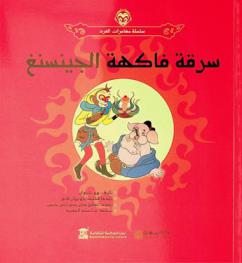
سرقة فاكهة الجينسنغ
في بداية العالم عم الظلام الكون في الفترة التي سميت بـ «الفوضى الأزلية». وبعد مرور 5400 عام، طارت المواد الخفيفة إلى السماء وتحولت إلى الشمس والقمر والنجوم والأجرام الفلكية، وبعد 5400 عام أخرى تجمدت المواد الثقيلة وكونت المياه والنار والجبال والصخور والتربة، وبمرور 5400 عام أخرى وجدت الحياة على الأرض وانقسم العالم إلى أربع قارات الشرقية والغربية والجنوبية والشمالية، وفي القارة الشرقية كان هناك جبل يسمى جبل الأزهار والثمار على قمته صخرة خالدة، تعرضت الصخرة لضوء الشمس والقمر فاكتسبت قدرات خارقة، إلى أن انفجرت وجلبت الفوضى للعالم. وبعد أكثر من 500 كلف راهب من القارة الجنوبية بإحضار الكتب المقدسة من القارة عام الغربية للقضاء على الكوارث والآلام في العالم، ولم تنجح رحلته إلا بعد أن مر بعقبات بلغ عددها 81 عقبة. وترتبط هذه الأسطورة ارتباطا وثيقا بشخصية «القرد» الذي تجرأ وأعلن تمرده على السماء والأرض.
Book

Combined lifestyle, mental health, and mortality in US cancer survivors: a national cohort study
Background
Adopting healthy lifestyles and staying mentally health are two cost-effective modifiable strategies that cancer survivors can implement in self-management. We aimed to evaluate the independent, mediation, interaction, and joint associations of combined lifestyle and mental health with mortality in cancer survivors.
Methods
We performed a cohort study including 3145 cancer survivors from National Health and Nutrition Examination Survey (2005–2018). A healthy lifestyle score was constructed based on post-diagnosis body mass index, physical activity, diet, smoking, and drinking. Post-diagnosis mental health was assessed by Patient Health Questionnaire (PHQ-9). Hazard ratios (HRs) and 95% confidence intervals (CIs) for all-cause, cancer, and non-cancer mortality were computed using Cox proportional hazards regression models.
Results
After 20,900 person-years of follow-up (median, 6.3 years), cancer survivors with higher lifestyle score had decreased mortality, independent of mental health. Compared to participants with lower lifestyle score (0–1), HRs (95% CIs) for all-cause and non-cancer mortality among those with higher lifestyle score (3–5) were 0.68 (0.52–0.89) and 0.69 (0.56–0.85), respectively. 6.2–10.3% of the associations were mediated by mental health. Similar trends were observed among participants categorized by mental health, those with better mental health had lower mortality, independent of lifestyle. Participants with better mental health benefited more from adopting healthy lifestyles, and vice versa. Combinations of higher healthy lifestyle score and better mental health were associated with significant decreased mortality, the lowest mortality was seen in participants with highest healthy lifestyle score and concurrently with best mental health.
Conclusions
For the first time, in this cohort study with a nationally representative sample of US cancer survivors, we comprehensively explored the complex associations of lifestyle, mental health, and mortality. Evidence derived from this study may give much confidence to cancer survivors and healthcare providers that, changing one’s lifestyle and/or staying mentally healthy after cancer diagnosis can improve survival.
Journal Article
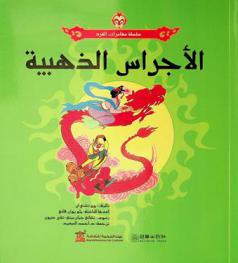
الأجراس الذهبية
في قرية فاولا وتشوانغ أراد السيد قاو العثور على زوج لابنته الصغرى ولكن الأمر انتهى به الشيطان الخنزير ودعا السيد قاو الكثيرين لإخضاع الشيطان لكنهم فشلوا. وعندما سمع سان تسائخ والقرد أثناء رحلتهما إلى الغرب أن هناك شيطانا في القرية، تطوع الفرد للمساعدة، والتقى بالشيطان الخنزير وحاربه ولحق به إلى كيفه. أدرك الشيطان الخنزير أن سان تسانغ والقرد في رحلة لإحضار الكتب المقدسة، فأخبر القرد أنه كان ينتظرهما بعدما تلقى تعليمات من قوان بن. لكن القرد لم يصدقه فطلب منه أن يحرق كهفه ثم سيأخذه لمقابلة سان تسانغ فك سان تسانغ وثاق الشيطان الخنزير واتخذه تلميذا ثانيا له. واتضح أن الشيطان الخنزير كان قائدا في السماء ولكنه نفي إلى العالم الأرضي لسوء سلوكه، ومنحته قوان بن اسم وو ننغ ثم منحه سان تسانغ اسم \"با جیه\".
Book

Lenvatinib, toripalimab, plus hepatic arterial infusion chemotherapy versus lenvatinib alone for advanced hepatocellular carcinoma
Background:
Lenvatinib is the first-line treatment for advanced hepatocellular carcinoma, but prognosis is still unsatisfactory. Recently, hepatic arterial infusion chemotherapy (HAIC), and immune checkpoint inhibitors showed promising results for advanced hepatocellular carcinoma. Considering different anti-malignancy mechanisms, combining these three treatments may improve outcomes. This study aimed to compare the efficacy and safety of lenvatinib, toripalimab, plus HAIC versus lenvatinib for advanced hepatocellular carcinoma.
Methods:
This was a retrospective study including patients treated with lenvatinib [8 mg (⩽60 kg) or 12 mg (>60 kg) once daily] or lenvatinib, toripalimab plus HAIC [LeToHAIC group, lenvatinib 0–1 week prior to initial HAIC, 240 mg toripalimab 0–1 day prior to every HAIC cycle, and HAIC with FOLFOX regimen (oxaliplatin 85 mg/m2, leucovorin 400 mg/m2, 5-fluorouracil bolus 400 mg/m2 on day 1, and 5-fluorouracil infusion 2400 mg/m2 for 46 h, every 3 weeks)]. Progression-free survival, overall survival, objective response rate, and treatment-related adverse events were compared.
Results:
From February 2019 to August 2019, 157 patients were included in this study: 71 in the LeToHAIC group and 86 in the lenvatinib group. The LeToHAIC group showed longer progression-free survival (11.1 versus 5.1 months, p < 0.001), longer overall survival (not reached versus 11 months, p < 0.001), and a higher objective response rate (RECIST: 59.2% versus 9.3%, p < 0.001; modified RECIST: 67.6% versus 16.3%, p < 0.001) than the lenvatinib group. In addition, 14.1% and 21.1% of patients in the LeToHAIC group achieved complete response of all lesions and complete response of the intrahepatic target lesions per modified RECIST criteria, respectively. Grade 3/4 treatment-related adverse events that were more frequent in the LeToHAIC group than in the lenvatinib group included neutropenia (8.5% versus 1.2%), thrombocytopenia (5.6% versus 0), and nausea (5.6% versus 0).
Conclusions:
Lenvatinib, toripalimab, plus HAIC had acceptable toxic effects and might improve survival compared with lenvatinib alone in advanced hepatocellular carcinoma.
Journal Article


Expression patterns of programmed death ligand 1 correlate with different microenvironments and patient prognosis in hepatocellular carcinoma
BackgroundRecent clinical studies have suggested that programmed death ligand 1 (PD-L1) expression in a tumour could be a potential biomarker for PD-L1/PD-1 blockade therapies.MethodsTo better characterise PD-L1 expression in hepatocellular carcinoma (HCC), we analysed its expression patterns in 453 HCC patients by double staining for CD68 and PD-L1 using the Tyramide Signal Amplification Systems combined with immunohistochemistry. We also investigated its correlation with clinical features, prognosis and immune status.ResultsThe results showed that PD-L1 expression on tumour cells (TCs) was negatively associated with patients’ overall survival (OS; P = 0.001) and relapse-free survival (RFS; P = 0.006); however, PD-L1 expression on macrophages (Mφs) was positively correlated with OS (P = 0.017). Multivariate analysis revealed that PD-L1 expression on TCs and Mφs were both independent prognostic factors for OS (hazard ratio (HR) = 1.168, P = 0.004 for TC-PD-L1; HR = 0.708, P = 0.003 for Mφ-PD-L1). Further studies showed that Mφ-PD-L1+ tumours exhibited an activated immune microenvironment, with high levels of CD8+ T-cell infiltration and immune-related gene expression.ConclusionOur study provided a novel methodology to evaluate PD-L1 expression in the tumour microenvironment, which might help to select patients who would benefit from anti-PD-1/PD-L1 immunotherapies.
Journal Article

EZH2 negatively regulates PD-L1 expression in hepatocellular carcinoma
BackgroundAccumulating studies suggest that targeting epigenetic modifications could improve the efficacy of tumor immunotherapy; however, the mechanisms underlying this phenomenon remain largely unknown. Here, we investigated the ability of the epigenetic modifier, enhancer of zeste 2 polycomb repressive complex 2 subunit (EZH2), to regulate the expression of immune checkpoint inhibitor, programmed death-1 ligand 1 (PD-L1) in hepatocellular carcinoma (HCC).MethodsImmunohistochemistry and multiplex immunofluorescence staining were performed to analyze the expression and correlation of EZH2 and PD-L1 in HCC tissues. Immunoblotting, quantitative real-time PCR, flow cytometry, chromatin immunoprecipitation, and dual-luciferase reporter gene assays were performed to evaluate the regulatory roles of EZH2 on PD-L1 expression.ResultsIn vitro cell experiments revealed that EZH2 negatively regulated the PD-L1 expression of hepatoma cell lines in IFNγ-dependent manner. Mechanistic studies demonstrated that EZH2 could suppress PD-L1 expression by upregulating the H3K27me3 levels on the promoters of CD274 (encoding PD-L1) and interferon regulatory factor 1 (IRF1), an essential transcription factor for PD-L1 expression, without affecting the activation of the IFNγ-signal transducer and activator of transcription 1 (STAT1) pathway. Clinical samples from HCC patients with immune-activated microenvironments showed negative correlations between EZH2 and PD-L1 expression in hepatoma cells. Multivariate Cox analysis demonstrated that the combination of EZH2 and PD-L1 was an independent prognostic factor for both OS and RFS for patients with HCC.ConclusionsThe epigenetic modificator EZH2 can suppress the expression of immune checkpoint inhibitor PD-L1 by directly upregulating the promoter H3K27me3 levels of CD274 and IRF1 in hepatoma cells, and might serve as a potential therapeutic target for combination of immunotherapy for immune-activated HCC.
Journal Article

Tenofovir vs. entecavir on prognosis of hepatitis B virus-related hepatocellular carcinoma after curative resection
BackgroundEntecavir (ETV) and tenofovir disoproxil fumarate (TDF) are recommended as first-line choices regarding the treatment of chronic hepatits B. The impact of the two antiviral agents on prognosis of hepatitis B virus (HBV)-related hepatocellular carcinoma (HCC) after curative liver resection remains to be explored. We aimed to assess the effect of antiviral therapy with ETV or TDF after curative resection on the prognosis of patients with HBV-related HCC.MethodsA total of 1173 consecutive patients who were treated with ETV or TDF after curative liver resection for HCC were enrolled in the study. HCC recurrence, overall survival, postoperative liver function reserve, and early virologic (VR) and biochemical responses (BR) of patients were compared between the ETV and TDF groups by propensity score matching (PSM) from the date of liver resection for HCC.ResultsNo difference was observed with recurrence-free survival between TDF and ETV in the PSM cohort (hazard ratio [HR], 0.91; 95% confidence interval [CI] 0.70–1.17; P = 0.45). No difference was observed with early VR and BR between TDF and ETV in the PSM cohort. Compared with ETV, TDF therapy was associated with significantly better protection of liver function and higher overall survival rates in the PSM cohort (HR, 0.37; 95% CI 0.20–0.71; P = 0.002). After PSM, 69 (40.8%) patients in the ETV group and 63 (57.3%) patients in the TDF group had single tumor recurrence, while the TDF group had significantly more patients with single tumor recurrence in the PSM cohort (P = 0.007).ConclusionsFor patients who underwent curative resection for HBV-related HCC, TDF treatment had a significantly better overall survival and better protection of liver function, but no difference in the incidences of HCC recurrence than ETV treatment.
Journal Article

A nomogram predicting the recurrence of hepatocellular carcinoma in patients after laparoscopic hepatectomy
Background
Patients with hepatocellular carcinoma (HCC) undergoing surgical resection still have a high 5-year recurrence rate (~ 60%). With the development of laparoscopic hepatectomy (LH), few studies have compared the efficacy between LH and traditional surgical approach on HCC. The objective of this study was to establish a nomogram to evaluate the risk of recurrence in HCC patients who underwent LH.
Methods
The clinical data of 432 patients, pathologically diagnosed with HCC, underwent LH as initial treatment and had surgical margin > 1 cm were collected. The significance of their clinicopathological features to recurrence-free survival (RFS) was assessed, based on which a nomogram was constructed using a training cohort (
n
= 324) and was internally validated using a temporal validation cohort (
n
= 108).
Results
Hepatitis B surface antigen (hazard ratio [HR], 1.838;
P
= 0.044), tumor number (HR, 1.774;
P
= 0.003), tumor thrombus (HR, 2.356;
P
= 0.003), cancer cell differentiation (HR, 0.745;
P
= 0.080), and microvascular tumor invasion (HR, 1.673;
P
=0.007) were found to be independent risk factors for RFS in the training cohort, and were used for constructing the nomogram. The C-index for RFS prediction in the training cohort using the nomogram was 0.786, which was higher than that of the 8th edition of the American Joint Committee on Cancer TNM classification (C-index, 0.698) and the Barcelona Clinic Liver Cancer staging system (C-index, 0.632). A high consistency between the nomogram prediction and actual observation was also demonstrated by a calibration curve. An improved predictive benefit in RFS and higher threshold probability of the nomogram were determined by receiver operating characteristic curve analysis, which was also confirmed in the validation cohort compared to other systems.
Conclusions
We constructed and validated a nomogram able to quantify the risk of recurrence after initial LH for HCC patients, which can be clinically implemented in assisting the planification of individual postoperative surveillance protocols.
Journal Article

EIF4EBP1 Overexpression Is Associated with Poor Survival and Disease Progression in Patients with Hepatocellular Carcinoma
EIF4EBP1 acts as a crucial effector in mTOR signaling pathway. Studies have suggested that EIF4EBP1 plays a critical role in carcinogenesis. However, the clinical significance and biological role of EIF4EBP1 in hepatocellular carcinoma (HCC) have not been elucidated. Therefore, we aimed to investigate the clinical significance of EIF4EBP1 in HCC.
Total 128 cases of HCCs were included in this study. EIF4EBP1 expression in HCC tissues was detected by qRT-PCR, Western blot and immunohistochemistry, respectively. Then the relationships between EIF4EBP1 expression and clinical features as well as survival were analyzed.
The expression level of EIF4EBP1 mRNA is significantly higher in 60% (24/40) of fresh HCC tissues than that in the matched adjacent nontumor liver (NCL) tissues (P = 0.044). Similarly, EIF4EBP1 protein is notably upregulated in 8 HCC tissues (randomly selected from the 40 HCCs) measured by Western blot and is significantly increased in another 88 paraffin-embedded HCCs (53%, 47/88) by immunohistochemistry compared with the matched NCLs (P < 0.001). EIF4EBP1 protein expression in HCC tissues is significantly correlated with serum AFP (P = 0.003) and marginally significantly associated with pathological grade (P = 0.085), tumor number (P = 0.084), tumor embolus (P = 0.084) and capsulation (P = 0.073). Patients with higher EIF4EBP1 protein expression have a much worse 5-year overall survival (40.3% vs 73.6%) and 5-year disease-free survival (33.0% vs 49.0%) than those with low expression. Furthermore, Cox regression analysis shows that EIF4EBP1 protein is an independent prognostic factor for overall survival (HR, 2.285; 95% CI, 1.154-4.527; P = 0.018) and disease-free survival (HR, 1.901; 95% CI, 1.067-3.386; P = 0.029) in HCC patients.
Our results demonstrate for the first time that EIF4EBP1 mRNA and protein are markedly up-regulated in HCC tissues, and the protein overexpression is significantly associated with poor survival and progression, which provide a potential new prognostic marker and therapeutic target for HCC patients.
Journal Article