
Catalogue Search | MBRL


Are you sure you want to remove the book from the shelf?

{{itemTitle}}
15,231
result(s) for
"Zheng, Hui"
Sort by:

إنقاذ العباقرة
تدور أحداث الرواية حول الطالب \"مايكل\" عبقري الفيزياء، الذي أسس جمعية للسفر عبر الزمن لإنقاذ عباقرة التاريخ من المصاعب والأزمات التي تعترض اكتشافاتهم العلمية ومسار حياتهم الطبيعية، وتساعده في ذلك صديقته الوحيدة الطالبة \"تشياو تشياو\" والإنسان الآلي \"ريكي\". والذين تتعدد مغامراتهم ما بين الصين القديمة واليونان القديمة وإنجلترا وسويسرا في العصور الوسطى، ويقابلون كلا من: عالم الرياضيات الإغريقي أرشميدس، والفيزيائي البريطاني إسحاق نيوتن، والبطل الشعبي السويسري ويليام تل.
Book

The role of 3D genome organization in development and cell differentiation
In eukaryotes, the genome does not exist as a linear molecule but instead is hierarchically packaged inside the nucleus. This complex genome organization includes multiscale structural units of chromosome territories, compartments, topologically associating domains, which are often demarcated by architectural proteins such as CTCF and cohesin, and chromatin loops. The 3D organization of chromatin modulates biological processes such as transcription, DNA replication, cell division and meiosis, which are crucial for cell differentiation and animal development. In this Review, we discuss recent progress in our understanding of the general principles of chromatin folding, its regulation and its functions in mammalian development. Specifically, we discuss the dynamics of 3D chromatin and genome organization during gametogenesis, embryonic development, lineage commitment and stem cell differentiation, and focus on the functions of chromatin architecture in transcription regulation. Finally, we discuss the role of 3D genome alterations in the aetiology of developmental disorders and human diseases.
Journal Article
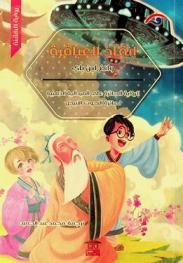
إنقاذ العباقرة /
تدور أحداث الرواية حول الطالب \"مايكل\" عبقري الفيزياء، الذي أسس جمعية للسفر عبر الزمن لإنقاذ عباقرة التاريخ من المصاعب والأزمات التي تعترض اكتشافاتهم العلمية ومسار حياتهم الطبيعية، وتساعده في ذلك صديقته الوحيدة الطالبة \"تشياو تشياو\" والإنسان الآلي \"ريكي\". والذين تتعدد مغامراتهم ما بين الصين القديمة واليونان القديمة وإنجلترا وسويسرا في العصور الوسطى، ويقابلون كلا من: عالم الرياضيات الإغريقي أرشميدس، والفيزيائي البريطاني إسحاق نيوتن، والبطل الشعبي السويسري ويليام تل.
Book

Regional variation limits applications of healthy gut microbiome reference ranges and disease models
Dysbiosis, departure of the gut microbiome from a healthy state, has been suggested to be a powerful biomarker of disease incidence and progression
1
–
3
. Diagnostic applications have been proposed for inflammatory bowel disease diagnosis and prognosis
4
, colorectal cancer prescreening
5
and therapeutic choices in melanoma
6
. Noninvasive sampling could facilitate large-scale public health applications, including early diagnosis and risk assessment in metabolic
7
and cardiovascular diseases
8
. To understand the generalizability of microbiota-based diagnostic models of metabolic disease, we characterized the gut microbiota of 7,009 individuals from 14 districts within 1 province in China. Among phenotypes, host location showed the strongest associations with microbiota variations. Microbiota-based metabolic disease models developed in one location failed when used elsewhere, suggesting that such models cannot be extrapolated. Interpolated models performed much better, especially in diseases with obvious microbiota-related characteristics. Interpolation efficiency decreased as geographic scale increased, indicating a need to build localized baseline and disease models to predict metabolic risks.
The definition of a 'healthy' microbiome is impacted by geographic regional variations.
Journal Article

تاريخ الأدب الصيني المعاصر
هذا أول كتاب عن تاريخ الأدب الصيني المعاصر ترجم إلى العربية من الصينية مباشرة، بعد أن لاقى اهتماما كبيرا من الأوساط الثقافية في الصين، نظرا لما يتمتع به من موسوعية. يقسم الكتاب، الأدب الصيني المعاصر إلى جزأين من ناحية النقد. حيث يصف الجزء الأول كيفية حصول قواعد أدبية محددة على الهيمنة المطلقة، بالإضافة إلى الخصائص الأساسية لهذا الشكل الأدبي، أما الجزء الثاني فيكشف الضعف التدريجي، وتفكك هذه القواعد وموقعها المسيطر، وعملية التمايز الأدبي، وإعادة تنظيم البنية الأدبية في السياق التاريخي المتغير.
Book

Author’s Reply to: Environmental Influence and Recruitment Bias in Studies on Internet Addiction. Comment on “Addiction Symptom Network of Young Internet Users: Network Analysis”
Related Articles Comment on: http://www.jmir.org/2023/1/e44438/Comment on: http://www.jmir.org/2022/11/e38984/
Journal Article


Peripheral immune system in aging and Alzheimer’s disease
Alzheimer’s disease (AD) represents an urgent public health mandate. AD is no longer considered a neural-centric disease; rather, a plethora of recent studies strongly implicate a critical role played by neuroinflammation in the pathogeneses of AD and other neurodegenerative conditions. A close functional connection between the immune system and central nervous system is increasingly recognized. In late-onset AD, aging represents the most significant risk factor. Here, from an immunological perspective, we summarize the prominent molecular and cellular changes in the periphery of aging individuals and AD patients. Moreover, we review the knowledge gained in the past several years that implicate specific arms of the peripheral immune system and other types of immune responses in modulating AD progression. Taken together, these findings collectively emphasize a dynamic role of a concert of brain-extrinsic, peripheral signals in the aging and degenerative processes in the CNS. We believe that a systematic view synthesizing the vast amounts of existing results will help guide the development of next-generation therapeutics and inform future directions of AD investigation.
Journal Article

Novel Tyrosinase and α-Glucosidase Inhibitors: 1,3-Bisbenzylphenylphenol and Congeners as Cosmetic Whitening Agents Based on Natural Products
New diarylheptene polyphenols with α-glucosidase inhibitory activity were previously isolated and reported from the aquatic plant Ottelia acuminata var. acuminata. It was used as the template in the present research, and a series of 1,3-bisbenzylphenylphenolic compounds were designed and synthesized. The tyrosinase, α-glucosidase inhibitory effects, antioxidant properties, and whitening effects of these compounds were investigated. Of them, the representative compounds 1 and 2 inhibited the two target enzymes (tyrosinase and α-glucosidase) engaged in skin whitening and aging with comparable IC50 values to the reference drugs as well as antioxidant activities. They showed potent whitening efficacy in zebrafish. In particular, compound 1 had whitening-effect rates of 31% at a concentration of 0.0001% (m/m), and 52% at a concentration of 0.0002% (m/m). Both compounds had more superior whitening efficacy than the commercially available whitening agent phenylethylresorcinol (377), which was used as a positive control. Compounds 1 and 2 did not show any genotoxicity and skin phototoxicity at the test concentrations, and they show promise as new skin-whitening agents.
Journal Article

TNF antagonist sensitizes synovial fibroblasts to ferroptotic cell death in collagen-induced arthritis mouse models
Ferroptosis is a nonapoptotic cell death process that requires cellular iron and the accumulation of lipid peroxides. In progressive rheumatoid arthritis (RA), synovial fibroblasts proliferate abnormally in the presence of reactive oxygen species (ROS) and elevated lipid oxidation. Here we show, using a collagen-induced arthritis (CIA) mouse model, that imidazole ketone erastin (IKE), a ferroptosis inducer, decreases fibroblast numbers in the synovium. Data from single-cell RNA sequencing further identify two groups of fibroblasts that have distinct susceptibility to IKE-induced ferroptosis, with the ferroptosis-resistant fibroblasts associated with an increased TNF-related transcriptome. Mechanistically, TNF signaling promotes cystine uptake and biosynthesis of glutathione (GSH) to protect fibroblasts from ferroptosis. Lastly, low dose IKE together with etanercept, a TNF antagonist, induce ferroptosis in fibroblasts and attenuate arthritis progression in the CIA model. Our results thus imply that the combination of TNF inhibitors and ferroptosis inducers may serve as a potential candidate for RA therapy.
Expansion of synovial fibroblast is associated with rheumatoid arthritis (RA) progression, but how this expansion is regulated is still not clear. Here the authors use a mouse RA model, single cell RNA sequencing and in vitro analyses to show that inducing ferroptosis and suppressing TNF signaling reduce fibroblast numbers and ameliorate experimental arthritis.
Journal Article