
Catalogue Search | MBRL


Are you sure you want to remove the book from the shelf?

{{itemTitle}}
18
result(s) for
"أبو الهول"
Sort by:


An Unpublished Sphinx Statue of Ramesses II
This paper presents a scholarly study of an unpublished sphinx statue of Pharaoh Ramesses II, based on detailed archaeological and artistic analysis. The author describes the statue as depicting Ramesses II in the traditional sphinx form-a royal head combined with a lion's body-symbolizing strength and divine protection in ancient Egyptian culture. The facial features, royal headdress, and inscriptions are analyzed as characteristic of the New Kingdom style, particularly the reign of Ramesses II, known for its prolific monumental sculpture. The article also discusses the material and carving techniques, suggesting that the statue may have been part of a sculptural ensemble within a mortuary temple or a major sanctuary dedicated to Amun-Ra. The symbolic dimension of the sphinx is examined as an embodiment of the divine king safeguarding cosmic order, with comparisons drawn to earlier sphinx statues of rulers such as Amenhotep III and Thutmose IV. The study emphasizes that the importance of this statue lies not only in its artistic value but also in its contribution to the broader corpus of Ramesses II's iconography, which reinforced his divine and political authority through art. The paper concludes that the documentation and publication of this piece expand our understanding of Ramesses II's iconographic repertoire and highlight the ideological role of art in sustaining royal power in ancient Egypt. Abstract Written by Dar AlMandumh, 2025, Using AI
Journal Article
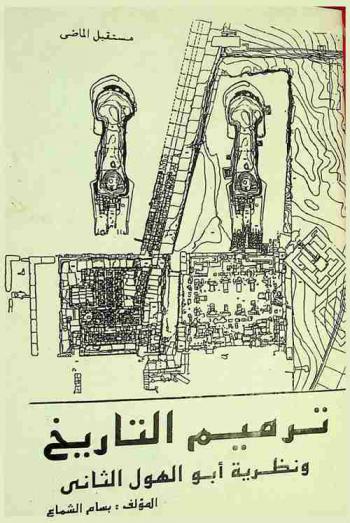

The Mythical Sphinx in the Islamic Art of Egypt
The Islamic art is distinguished by the affluence in representing mythical creatures, they are not only countless but also variant in shapes. Utilizing these creatures in the Islamic art was an outlet for the Islamic artist from any religious restrictions, strange and unfamiliar creatures, peerless in reality, so the artist will avoid mimicking God's creation. The different phases of the Islamic art of Egypt presented us with various mythical creatures such as the harpy, griffin, phoenix, sphinx, etc. This research sheds light on sphinx specifically. It appeared in many artifacts since the Umayyad period of Egypt. The research is an attempt to study both historical and artistic backgrounds of this mythical creature in the Islamic art of Egypt.
Journal Article

Two Hawk-Headed Sphinxes Graffiti at Abydos
The present paper is a focused study of two striking hawkheaded sphinxes graffiti, surmounted by a brief hieratic inscription, located at the northern wall of the corridor that leads to the outside west gate of the temple of King Seti I at Abydos; the Upper sphinx graffito is deeply and carefully incised; meanwhile, the Lower one is not. The presence of such graffiti suggests the existence of two hawkheaded sphinxes statues at some place within the temple of Abydos. The study discusses the purpose of the incision at the chosen spot, the date of the graffiti and the relationship between the graffiti and Seti I and his son Ramses II, it will cite other parallel examples in Ramesside temples, in order to support the summation, concluding the study with the conception and impacts of these graffiti.
Journal Article
أبو الهول وأهراماته شهود على التاريخ
هدف المقال إلى تسليط الضوء على أبو الهول وأهراماته شهود على التاريخ. وتطرق المقال إلى الحديث عن أن الفرنسيين عندما استولوا على الإسكندرية دون مقاومة من جنود الدولة والعزل يتفرجون دون مقاومة تذكر من المماليك. وكشف المقال عن أنه عندما ظهر المعدن المصري الأصيل وتجمع العامة منتشرين على الجانب الاخر من النيل وتسلحوا بما يملكون \"عصيهم وخيامهم\"، خرج كل من كان في القاهرة وضواحيها من الرجال والشبان حتى لم يبق أحد سوي الضعفاء والنساء كل اشتري بما يملكه من دارهم قوته وقوت عياله عصي وشوم وسكاكين وخيام وأى أسلحة بدائية. وذكر المقال أنه عندما جاء الانجليز وحطموا الفرنسيين في موقعة أبي قير في أول أغسطس بقيادة نلسون وثارت القاهرة ثورتها الأولى في 21 أكتوبر أي بعد ثلاثة أشهر من تقدم الجيوش المغيرة، ثم سار نابليون على (يافا) وفتح يافا. وأوضح المقال أن الحملة الفرنسية تعتبر أول غزوة أجنبية نجحت في امتلاك مصر، ولم تحمل معها إلا الذكريات القديمة من غزوة \"لويس التاسع عشر\" الذي هزم وأسر وتشتت جيشه وانتصرت عليه جيوش الايوبيين. واختتم المقال مشيراً إلى أن المصريين مضي عليهم ثلاث سنوات عجاف خرج منها بدروس في السياسة كانت خافية عليه فلا مماليك دافعوا عن مصر ولا الاتراك دافعوا عنها، كما تركوا مصر فريسة للفرنسيين والانجليز يقاتل بعضهم بعضاً كل هؤلاء لهم هدف واحد وهو نهش جسد المصريين. كُتب هذا المستخلص من قِبل دار المنظومة 2018
Journal Article

Two unpublished New Headless Sphinxes
This study presents and analyzes two previously unpublished headless sphinx statues dating to the Twenty-Sixth Dynasty (ca. 550-530 B.C.). The sphinx, combining the lion's body as a symbol of strength with the king's head as a symbol of human authority, had long represented divine kingship in Egypt. The author notes that many sphinx statues from this period survive without heads, as is the case with the two statues under discussion. Discovered at el-Kom el-Ahmar in Beheira in 1899, the statues were originally registered in the Greco-Roman Museum (nos. 2136-2137) before being transferred to the garden of the Kom el-Shoqafa Catacombs in Alexandria. Made of quartzite, each statue measures 60 cm in height (without the head), with a base of 155 cm by 45 cm and a height of 16.5 cm. Detailed description highlights the strong musculature of the forelegs, the traditional decorative motifs on the shoulders, and a plait at the back of the headgear. The identical cut marks on the necks suggest deliberate removal of the heads. Anatomical details such as the positioning of the tails and depiction of the genitals demonstrate the sculptors' precision. Inscriptions on the pedestal record royal titulary including: \"King of Upper and Lower Egypt... son of Ra, beloved of the souls of Heliopolis,\" identifying the statues as belonging to King Wah-ib-Ra (Apries), the fourth ruler of the Twenty-Sixth Dynasty. Comparison with other sphinx statues of the Late Period reveals stylistic tendencies toward mixing naturalistic modeling with more rigid conventions. The article concludes that these two sphinxes provide valuable insights into late royal sculpture, combining political and religious symbolism. They also illustrate stylistic shifts in late Egyptian art, while maintaining the long-standing tradition of portraying royal power through the form of the sphinx. Abstract Written by Dar AlMandumh, 2025, Using AI
Journal Article

أبو الهول في الحضارة اليمنية القديمة : دراسة فنية مقارنة
يتناول البحث دراسة أثرية فنية مقارنة لأشكال أبو الهول المكتشفة في اليمن، وما يمثله هذا الأثر في بدايته للحضارة المصرية القديمة واستمراره وتنوع أشكاله ودلالاته ورموزه، ومن ثم انتشاره بصور عديدة في بعض الحضارات القديمة مثل بلاد وادي الرافدين والشام.. كتأكيد على عمق الصلات والترابط الحضاري فيما بينها، كما كانت كذلك قائمة مع الحضارة اليمنية القديمة بمجالات كثيرة، منها النشاط الاقتصادي والتجاري وتشابه الرموز الدينية التي جسدت فيها أشكال أبو الهول في اليمن كغيرها من تلك البلدان، كنماذج فنية ذات علاقة بالآلهة. وقد جاءت القطع الفنية لتمثال أبو الهول من جبل العود بمحافظة إب، واللوحات البرونزية المزينة برؤوس آدمية وما يصاحبها من كتابات بخط المسند يذكر فيها أسماء شخصيات قديمة ومناسبة تقديمها كنذور لبعض الآلهة. ويتناول البحث التقارب الفني لأشكال أبو الهول في اليمن وتلك المناطق وأوجه الاختلاف أو التميز في الحضارة اليمنية القديمة، ويتضح ذلك من خلال عرض الصور والأشكال الفنية المختارة فيما بينها.
Journal Article