
Catalogue Search | MBRL


Are you sure you want to remove the book from the shelf?

{{itemTitle}}
7,038
result(s) for
"الآثار"
Sort by:
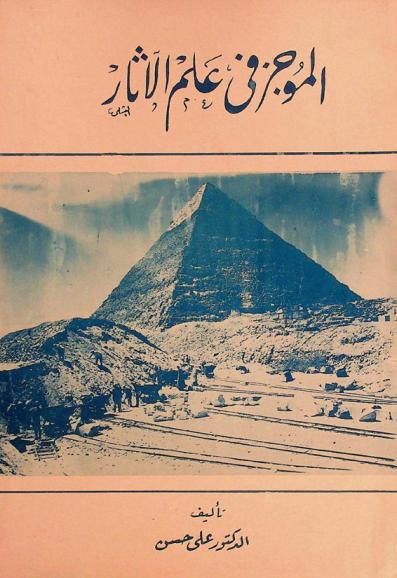
الموجز في علم الآثار
دراسة الآثار القديمة من أبنية وتحف دراسة لم يعرفها الأقدمون، ولم يهدفوا إليها، بل هي ثمرة من ثمرات المدنية الأوربية الحديثة. وقد ظهرت أولى خطوات هذه الدراسة في أول الأمر في جمع التحف المختلفة التي خلفتها الأجيال السابقة لقد كانت المتاحف غير معروفة حتى وقت قريب، ولكن في العصر الفاطمي قام الخليفة المستنصر بالله والذي كان يعيش في القاهرة آبان القرن الحادى عشر الميلادي الفضل في إنشاء أول متحف أثرى في العالم والغريب أنه قد توفرت في هذا المتحف أهم خصائص المتاحف الاثرية كما نعرفها اليوم، والاختلاف الوحيد هو أن الغرض من انشائه كان للمباهاة والأفتخار. ولم تعرف أوربا المتاحف إلا بعد ذلك بحوالى خمسة قرون أى قبيل القرن السادس عشر الميلادي خلال عصر النهضة الاوربية، وأخذوا ينظرون إلى آثار وحضارة اليونان والرومان نظرة أعجاب وتقديس، حيث أن هذه الحضارات بالنسبة لهم كانت أصل الحضارة الغربية والمنهل الذى يغترفون منه ويسيرون على هديه.
Book

جريمة تهريب الممتلكات الأثرية في التشريع الجزائري
جرائم تهريب الممتلكات الأثرية تحتل المرتبة الثالثة في سجل الجرائم بعد المخدرات والاتجار بالسلاح، والجزائر تعاني من ظاهرة التهريب التي أخذت أبعادا خطيرة، حيث صارت الشبكات المحترفة لهذا المجال تستعمل التكنولوجيات وشبكات التواصل الاجتماعي للمفاوضات مع المتاحف العالمية لبيع التحف المهربة، ولمواجهة هذه الجرائم انتهج المشرع الجزائري سياسة قمعية من خلال إفراد جريمة التهريب بنص خاص، مع تغليظ العقوبات الجزائية والجبائية إلى أقصى حدها.
Journal Article

كل شيء عن علم الآثار
\"أنبش تاريخا مغرقا في القدم واستكشف حضارات قديمة وتعرف إلى أساليب شعوبها. تعرف مع هذا الكتاب المشوق الرائع إلى كل ما تحتاج إلى معرفته حول \"علم الآثار\"، النصوص الواضحة والصور المدهشة تحكي لك قصة بعض أشهر الإكتشافات في التاريخ، وتكشف لك كيف يقوم علماء الآثار بحفرياتهم، وتريك بعض أقدم ما تركه الإنسان من آثار، وبعض أقدم الأعمال الفنية التي خلفها البشر القدامى في الكهوف التي كانوا يعيشون فيها.\".
BOOK

The Impact of Energy Economics on Environmental Quality in Algeria during the Period \2000-2022\ Using the Kernel-Based Regularized Least Squares Estimator \Krls\
The objective of this study was to assess and quantify the environmental implications of various energy consumption indicators in Algeria, Four indicators (natural gas, coal, oil, and electricity) were used as independent variables to analyze the impact of energy use at a detailed level, CO2 emissions were used as a dependent variable reflecting environmental quality, using the Kernel-based regularized least squares (krls) method based on recent annual data available from 2000 to 2022. The study results concluded a statistically significant positive impact of using coal, oil, natural gas, and electricity on CO2 emissions, demonstrating that the use of coal, natural gas, oil, and electricity, and coal leads to environmental quality degradation in Algeria.
Journal Article


The Treaty of Lausanne 1922-1923 and its Impact on the Ottoman Empire
This study provides an in-depth analysis of the Treaty of Lausanne (1922-1923) and its impact on the Ottoman Empire's transition into the modern Turkish Republic. It focuses on the treaty's geopolitical, social, and economic ramifications. This research employs a comprehensive methodology integrating descriptive, historical, analytical, and critical perspectives. It explores the strategic undoing of the Treaty of Sèvres through the resistance led by the Ankara government, leading to the recognition of Turkish sovereignty and territorial integrity in the Lausanne Treaty. The paper highlights the treaty's role in abolishing foreign capitulations, restoring national sovereignty, and setting the stage for Türkiye's contemporary nation-state structure. By examining the treaty's implications for international relations and minority rights, the research contributes to a deeper understanding of the post-Ottoman geopolitical landscape and the influence of the Treaty of Lausanne in shaping the modern Middle East.
Journal Article

Two Unpublished Figurines of Women Purifying Themselves in the Greco-Roman Museum of Alexandria
The Greco-Roman Museum of Alexandria has two female figurines, unpublished. According to the register of the museum, they came from Fayyum, are made in alluvial Nile silt clay, reddish-brown color, and fabricated by using two moulds, one for the front side and the other for the backside. These figurines seem similar; each one represents a sitting naked woman, holding a pot. But there are some differences between them in the details. It is possible that each woman is purifying herself. The pot which women hold is associated with baths and purification. This article publishes these two figurines with a descriptive and analytical study, in addition to a discussion of women's purification in inscriptions and papyri documents of the Ptolemaic and Roman periods. The research also tries to identify these women; were these women associated with a cult? Or particular gods? Was purification necessary in the rituals of this worship?
Journal Article
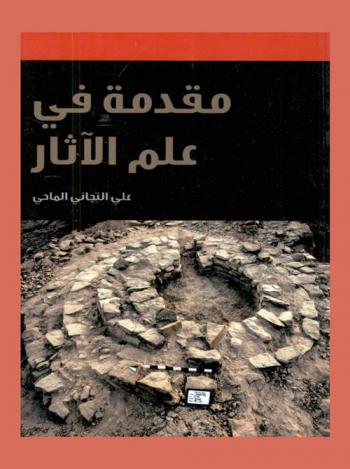

الآثار التاريخية وملكيتها
ظهرت أهمية الآثار التاريخية وأنواعها في العصر الحديث، لا سيما مع الاهتمام الكبير بالسياحة، كرافد من أهم روافد الدخل المادي والنشاط الاقتصادي في دول العالم؛ لذا جاءت هذه الدراسة لبيان حقيقة الآثار التاريخية، وأنواعها، وأهميتها، والتخريج الفقهي لها، وحكم تملك الأفراد لها. وقد اعتمدت في هذه الدراسة على المنهج الاستقرائي، والاستنباطي التحليلي، والمنهج المقارن، وذلك بجمع أقوال العلماء المعاصرين والقدامى، وأدلتهم، مع تحليلها، والمقارنة بينها، للتوصل إلى حكم فقهي ملائم، يراعى فيه تحقيق المصلحة العامة لجميع الأجيال المتعاقبة. ومن أهم ما توصل إليه الباحث: أن جميع الآثار التاريخية؛ ملك لجميع الأجيال المتعاقبة، وأنه لا يجوز التصرف في شيء منها، إلا في ضوء المصلحة العامة.
Journal Article