
Catalogue Search | MBRL


Are you sure you want to remove the book from the shelf?

{{itemTitle}}
4,490
result(s) for
"الأدب الشعبي"
Sort by:

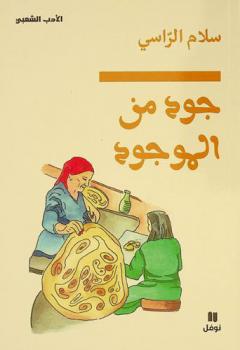
جود من الموجود
يدخل كتاب جودا من الموجود الأدب الشعبي في دائرة اهتمام المتخصصين في علوم اللغة العربية وآدابها تحديدا والباحثين في الموضوعات ذات الصلة بوجه عام ؛ حيث يقع كتاب جود من الموجود الأدب الشعبي ضمن نطاق تخصص علوم اللغة ووثيق الصلة بالفروع الأخرى مثل الشعر، والقواعد النحوية، والصرف، والأدب، والبلاغة، والآداب العربية
Book

العادات الاجتماعية
استعرضت الورقة الرؤية التحليلة للعادات الاجتماعية. يعيش الإنسان في المجتمع ويرتبط ببيئته ارتباطا وثيقا ويؤثر فيها وتؤثر فيه وهناك تفاعل اجتماعي متبادل ومستمر ونتيجة لهذا التفاعل تحدث عمليات مختلفة بعضها يرتبط بالبيئة الخارجية المحيطة بالفرد ويطلق عليها عمليات اجتماعية وبعضها يتعلق بشخصية ما يدور في نفسه وذاته. وتناول العادة كظاهرة اجتماعية، فالعادات هي جمع العادة وهي من فعل عاد أي ما تعود عليه الفرد، أو هي مجموعة أفعال اجتماعية متكررة التي يمارسها الأعضاء الموجودين في المجتمع أو داخل جماعة بشرية. وتتضمن العادة جانب معنوي يمثل الأفكار والمعتقدات، وجانب مادي يكون شكلها وسلوكها وتفصح المعتقدات الشعبية عن نفسها في شكل عادات وممارسات شعبية. وعرض مجالات العادات الاجتماعية، وبمرور الوقت تكتسب العادات الجمعية قوة التقاليد لأنها تمثل طرقاً مألوفة للإنسان في عمل الأشياء وظاهرة جوهرية لمعيشة الناس بعضهم مع بعض إلا أنها تربط فيها بينهم في الوقت الحاضر وتلقنهم تجربة الماضي. واستعرض وظائف العادات الاجتماعية، ومنها أن العادات الاجتماعية تعمل على استقرار المجتمع بما تفرضه من جزاء اجتماعي يقع على الفرد المخالف لها، وتؤدي العادات الاجتماعية إلى تعزيز وحدة المجتمع وتوثيق العلاقات. وكشف عن أنواع العادات الاجتماعية، وهي عادات فردية سلوكية، وعادات جماعية شائعة. وتناول العلاقة بين العادات والمفاهيم الأخرى، وذلك من خلال العادات والتقاليد، والعادات والتراث الشعبي، والعادات والأعراف، والأفكار والمعتقدات، والحكم والأمثال، والفولكلور والعادات الاجتماعية، والعادات الاجتماعية والقيم. وتناول العادات الاجتماعية لمراحل دورة الحياة. واختتمت الورقة بالإشارة إلى أن العادات ظاهرة اجتماعية تتعلق بأفعال الناس ويشتق وجودها من الفطرة الاجتماعية وهي تلقائية لا تصدر عن سلطة معينة تصنعها وتسهر عليها كُتب هذا المستخلص من قِبل المنظومة 2022
Journal Article

The Untranslatability of the Algerian Proverbs
The intricacy of languages makes us presume that the literary art is untranslatable both linguistically and culturally. The fuzzy issue of untranslatability may occur not only on sophisticated literature, but also on folk literature. The Algerian folklore or oral tradition is so vast; as it is connected with the role of vernacular, cultural forms and social life. One integral component of the Algerian lore is the proverb. This paper attempts to reveal some cultural aspects of the Algerian proverb from the view point of translation. More specifically, the crux of this study is to examine the types of challenges the translator undergoes when translating Algerian proverbs into English and suggest some strategies that can be used to avoid these hindrances.
Journal Article

Values of Oral Literature in African Society
Folksongs and traditional festivals are central to almost every activity of the Yoruba people. The contemporary world is full of pains, worries, sufferings and despair and various anti-social activities, in spite of pompous claims and glaring efforts of science and technology in solving old problems to create many new ones. Hence, every individual needs to relax, amuse, and get his or her mind off the dull struggles, worries and sorrows of life through folksongs and festivals. The Yoruba folksongs and festivals as soul-searchers and soul-menders therefore, serve the aesthetic, therapeutic and communicative purposes as tension relievers as well as elixir through which individuals are firmly reassured that there is still hope for humanity. Folksongs and traditional festivals, as manifestations of oral literary genre, possess the remarkable ability to simultaneously entertain, educate, heal and provide solace in individuals. Through them, virtues of the community are upheld and cultural values are projected. It thus concluded that Yoruba folksongs and festivals are a vital communicative instrument for pleasure and a therapy to heal and soothe individuals. Therefore, it is recommended that the Yoruba people continue to utilize folksongs as a means of entertaining, educating, consoling, and comforting themselves as the need arises. Additionally, the study underscores the importance of preserving and perpetuating traditional festival celebrations in Yoruba society, as they serve as a unifying force among the people and a potent platform for showcasing the rich culture and traditions of the Yoruba people to the wider world. Other African societies should also intensify efforts in employing folksongs and festival performances to project their respective cultural identity to the wider world.
Journal Article
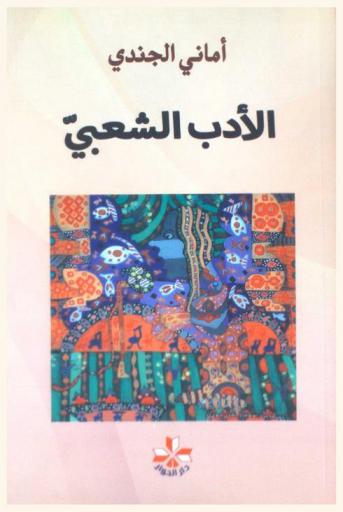

Mythologizing the Story of Creation in Indaba, My Children
This paper aims at studying the story of the creation of the universe in Book One of the Bantu Text Indaba, My Children (1964) in an attempt to contextualize it within parallel creation myths from other traditions and cultures. The paper claims that the text under study is a creation myth, which is viewed as a sacred text with a cosmogonist function: to inform about the creation of the universe. To achieve this end, the researcher compares the common motifs recurrent in two of the most famous creation myths: the Book of Genesis of the Hebrew Bible and the Babylonian creation myth known as the Enûma Eliš on one hand, and the ones found in Indaba, My Children on the other. These motifs are the sexual act as a means of creation, the human form of the first creative being, bringing order after a state of chaos, and creation out of the feeling of loneliness. Through comparing those recurrent motifs in the above-mentioned texts, the researcher asserts that creation myths, even if they are geographically apart, share certain motifs and features that distinguish all of them.
Journal Article