
Catalogue Search | MBRL


Are you sure you want to remove the book from the shelf?

{{itemTitle}}
1,417
result(s) for
"الأدب المقارن"
Sort by:
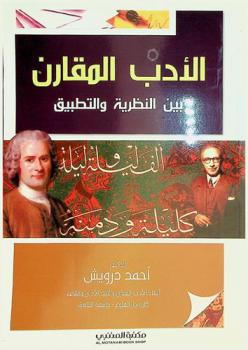
الأدب المقارن بين النظرية والتطبيق
هذا الكتاب يدرس موضوعين متصلين هما نشأة الدراسات المقارنة وتطورها حتى اتخذت الدراسة شكل نظرية محددة المعالم في الآداب الأوروبية الحديثة ودرس المؤلف عدد من الموضوعات الأدبية القديمة والحديثة دراسة تطبيقية مقارنة، وقد عنى هذا الكتاب بالكشف عن الصلات القائمة بين الآداب الحديثة بعضها وبعض من ناحية وبين الأدب العربي والآداب الأوروبية من ناحية آخرى انطلاقا من حقيقة أن أي أدب مهما كانت أصالته لا يخلو من التأثر بآداب أمم أخرى غريبة عليه.
BOOK

رجاء جبر وجهوده في الأدب المقارن
يعد الدكتور رجاء عبد المنعم جبر أحد الأساتذة الأكاديميين المصريين الذين أسهموا من خلال دراساتهم النظرية والتطبيقية في تطوير الأدب المقارن والاتجاه به إلى وجهة جديدة مغايرة؛ فبعد أن حمل محمد غنيمي هلال لواء المدرسة الفرنسية التي تقوم على إثبات العلاقات التاريخية بين الآداب محل المقارنة، أظهر رجاء جبر، في حقبة لاحقة، ميلاً واضحاً إلى المدرسة الأمريكية التي تطرح الجانب التاريخي وتعول كثيراً على الدراسة النقدية التحليلية للأعمال الأدبية. ويحاول هذا البحث التعريف بالدكتور رجاء جبر، ويتبع المنهج الوصفي في الكشف عن جهوده في ميدان الأدب المقارن على مستوى الترجمة والتنظير والتطبيق، موضحاً ما أحدثته هذه الجهود من أثر في تطوير هذا العلم في سياقه التاريخي، ثم يقف على أهم ملامح منهج البحث عنده.
Journal Article

جغرافية الأدب المقارن في تركيا
تهدف هذه المقالة إلى دراسة تاريخ نشأة الأدب المقارن وتطوره في تركيا. وقد جاءت في قسمين؛ اختص القسم الأول بتسليط الضوء على الأدب المقارن الكلاسيكي التركي، وخصائصه، ومدى تداخله مع جغرافية العالم الإسلامي، ولاسيما الأدبين العربي والفارسي. أما القسم الثاني من المقالة فخصص لدراسة الأدب المقارن التركي الحديث، وخصائصه، ومدى اندماجه مع الثقافات الغربية، بدءا بالثقافة الرومية -اليونانية، فالفرنسية، فالألمانية، وأخيرا الإنجليزية. صنفت الآراء النقدية والمقارنة لكل من إدوارد سعيد، وإيميلي أبتر، وآخرين حول ولادة الأدب المقارن في المنفى -الإسطنبولي من خلال دراستهم أعمال إريك أورباخ، ليو سبيتزر، وغيرهم، مع ظهور \"يقظة المقارنة\" عند المفكرين العثمانيين، لاسيما في عصر التنظيمات العثمانية (1839-1876)، والمشروطية الأولى (1876-1878)، والعقود الأخيرة للخلافة العثمانية. وتعرض المقالة لأهم التحديات والأزمات الناتجة عن هذه الثنائية الزمكانية وأثرها على الأدب المقارن في تركيا، وتقدم مقترحا مفاده بأن تكون هوية الأدب المقارن التركي هوية هجينة (hybrid) تجمع بين الأدبين التركيين بشقيه الغربي والشرقي؛ حتى يتسنى لهذا الأدب الصمود أمام أزماته الزمكانية.
Journal Article

The Theme of Conflict between the East and the West in Zadie Smith's Novel white Teeth and Kiran Desai's the Inheritance of Loss
The argument of this study revolves around the crisis of reconstructing identity as a manifestation of cultural resistance in White Teeth by British writer Zadie Smith and in Kiran Desai's The Inheritance of Loss. This study will focus on how Zadie Smith and Kiran Desai attempt to build a culture of resistance in their respective nations' consciousness through their works. As colonialism has proven its influence on the histories of colonized nations, the colonized have infiltrated the colonialists' claimed justifications for imperialism. One of the controversial issues of post-colonialism is the question of identity, which has become very prominent in the modern age. This has led most writers, especially those with cultural diversity, to emphasize the idea of identity. The study will also examine how and why writers of resistance emphasize the need to free colonized societies from the cultural and political domination of imperial powers. It will demonstrate how both Smith and Desai strive to build a culture of awareness by interrogating the past, as illustrated in their novels. In these two novels, East meets West as a form of 'cultural resistance' within the context of imperialism. At the end of this study, the importance of conducting such research and the mutual resistance employed by these writers in constructing a culture of resistance will be highlighted. In each of these novels, the central tension revolves around the encounter and opposition between deeply rooted cultural factors, codes, and values in the East.
Journal Article

Seeking a National African Identity in the Postcolonial Aftermath
Modern African literature depicts the struggle of African writers to reverse the European colonial discourse of representation, in an attempt to reconstruct a postcolonial national African identity. As their countries gain independence, many writers stress cultural nationalism as a moral duty and call for authentic presentation of African history, heritage, and culture. This study examines this presentation and the consequent construction of the African national identity in major works of modem African literature. The researcher presents a deconstructive postcolonial analysis of three narratives that portray the shift of representations of the colonized African during and after colonialism, namely: Joseph Conrad's Heart of Darkness, Ngugi Wa Thiong'o's The River Between, and Al-Tayyib Salih's Season of Migration to the North. The analysis shows how Salih and Ngugi reject the misrepresentations and stereotypes of the colonized Africans in colonial literature, such as in Conrad's, who depicted the colonized Africans as \"primitive,\" \"savage\" and \"uncivilized\" to legitimize colonialism. However, the political motivation of African writers has led many of them into the same discourse of stereotypization and misrepresentation. They use the same colonial discourse of representations, exaggerate the descriptions of African culture, and overexoticize African heritage. This discourse of politicizing African history and culture reorientalizes Africa and increases the psychological isolation of the postcolonized African subject.
Journal Article

浅谈人工智能时代下的文学创作
With the development of digital technology and the emergence of the Internet, so-called artificial intelligence has emerged and has had a significant impact on many fields, including literature. In recent years, the issue of literary creation in the (AI) era has attracted the most attention and controversy. Therefore, this study discusses this issue from three different perspectives: first, (AI) will replace writers; second, (AI) cannot replace writers; third, (AI) will not replace writers, but will help writers write literary works. Finally, this study explains the difference between (AI) literature and traditional literature from many aspects.
Journal Article