
Catalogue Search | MBRL


Are you sure you want to remove the book from the shelf?

{{itemTitle}}
139
result(s) for
"الأساطير المصرية"
Sort by:
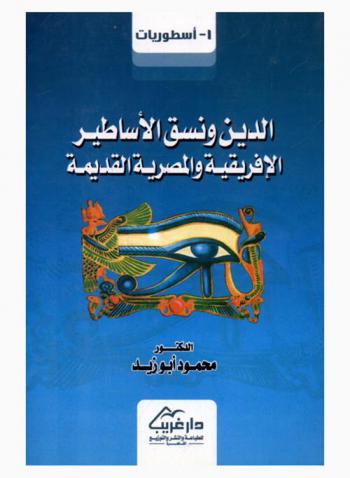
الدين ونسق الأساطير الإفريقية والمصرية القديمة
هذا الكتاب يتيح للقارئ العربي فرصة حقيقة للتعرف على الأنساق والنظم الأسطورية التي أفرزتها الثقافات والحضارات القديمة في مختلف بقاع العالم وبخاصة في الشرق القديم الذي حفلت العديد من مناطقه بحضارات عريقة تضرب بجذورها في أعماق التاريخ ولكنها عاشت وأزدهرت علي مدي آلاف عديدة من السنين، والكتاب الذي بين أيدينا وهو عن الدين ونسق الأساطير الإفريقية القديمة يكشف عن محاولات الإنسان منذ أول ما بدأ يشعر ويحس أو حتى منذ أن أمسكت به الأندهاشه الأولى.
BOOK

الأسطورة في رواية \بلد المحبوب\ ليوسف القعيد
تتميز رواية بلد المحبوب ليوسف القعيد بحب الوطن، والاعتزاز بنهر النيل العظيم، الذي جعله الراوي أنشودة عذبة، على طول الرواية، والرواية تعبر عن رؤية كاتبها، وموقفه مما صار بوطنه من متغيرات، وقد لجأ المؤلف إلى توظيف الأساطير والرموز، واتخاذها وسيلة للنقد والتقويم، وقد أثرى يوسف القعيد خطابه الروائي بتوظيف الأسطورة، في البناء الفني في هذه الرواية؛ فأتت عدة رموز أسطورية، بارزة في الرواية تتصل بنهر النيل، والحضارة المصرية القديمة، ومن ذلك أسطورة \"عروس النيل\"، وأسطورة \"إيزيس وأوزوريس\"، وحكاية \"الثلاثة أنهار\"، وكذلك الرموز المتصلة بفيضان النيل، والمطر، والشجر، واللون الأخضر بدلالاتهم على تغير وبعث الحياة في وادي النيل، مما يثري حياة المصريين بالسعادة الجسمية والنفسية، ومن المعروف أن الأسطورة تعكس فهم القدماء البدائي لأصل العالم والظواهر الطبيعية والحياة الاجتماعية، وتعبر عن القصص والحكايات؛ بواسطة صور خارقة للطبيعة وأشكال خيالية، ومن المؤكد أن مثل هذه الأساطير قد ألفت في مرحلة فكرية راقية، وتعد الأسطورة حصيلة تأمل الإنسان، ونتاج رغبته في السيطرة على واقعه أو على قوة الطبيعة، كما أن الأسطورة تجسد الصراع بين القدماء وقوة الطبيعة والسعي وراء المثل العليا، وقد اتخذ المؤلف المحبوبة رمزا لوطنه الحبيب \"مصر\"، وعنوان الرواية \"بلد المحبوب\" أورده المؤلف مختصا بكلمة \"بلد\" فهي بلد محددة بكل ما تشمله من بشر، ونبات، وعلاقات، وحياة، فالكلمة تحمل دلالات عاطفية متعددة. وكذلك الراوي هو واحد من أبناء هذه البلد العائدين. فرمزية العنوان \"بلد المحبوب\" يقدم دلالات ومعاني حب عميق للبلد بالنسبة للراوي أو غيره من الأشخاص، وقد اتبع الباحث المنهج الوصفي التحليلي، مع الاستعانة بالمنهج الأسطوري والمنهج النفسي.
Journal Article
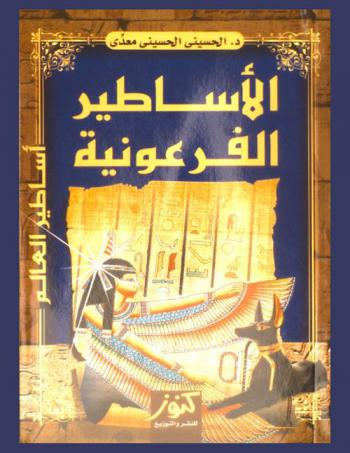
الأساطير الفرعونية
تعتبر الأساطير من أهم جوانب العقيدة المصرية القديمة لأنها تعكس فكر وعقيدة الإنسان المصري القديم كانت حياة الآلهة وتصرفاتهم مادة خصبة للكهنة لتغزل حولها قصص وأساطير كثيرة إن الطابع الأسطوري الفرعوني طابع ساحر يحمل عبق التاريخ بين طياته وينقلنا إلى عالم ملئ بالسحر والأرواح والغموض فمن منا لا ينبهر بكل مايسمعه عن الأساطير الفرعونية فالأساطير المصرية القديمة تعتبر من أقدم الأساطير المحفوظة الآن.
Book

The Deity Ra-Hr-Axty at Memphis
Re-Horakhty is an integrated deity that combines both gods Horus and Re. In Egyptian mythology, he was more of a name or a form than a combined god. Horus was the god of the sky and Re was the sun god. Therefore, Re-Horakhty was considered to be the god of the rising sun. This integrating form of the two gods Horus and Re began to appear in about 2445 B.C in the Sun Temple which was built by Nj-wsr-Rc. He was often depicted as a falcon-headed man wearing the sun-disk adorned with the uraeus on his headdress. Sometimes he was depicted as a ram-headed god wearing the sun disk upon his head. Both deities Re and Horus occasionally shared the same iconography. Re-Horakhty was the king of the deities in Horemheb's tomb. He was depicted in the Book of the Dead of the 3rd Intermediate period. He was worshipped in many temples such as: Wadi es-Sebou, Derr and Abu-Simbel. This research aims to shed light on god Re-Horakhty at the region of Memphis, his role and his relations with the other deities at Memphis.
Journal Article

أسطورة إيزيس وأوزوريس
أسطورة إيزيس وأوزوريس هي قصة التي تغلغلت في وجدان المصريين منذ عصر الدولة القديمة، تتمحور حول الآلهة إيزيس وأوزوريس وأخوهما الشرير ست وابنهما حورس. ويتعرض هذا المقال إلى أحداث هذه الأسطورة مع التعريف بالمعبودات الرئيسية التي تم ذكرها في الأسطورة مع التطرق إلى أحداث ومجريات الأسطورة حسب ما جاءت في المصادر، وإبراز ما مدى أهمية وتأثير أسطورة. \"ايزيس واوزوريس\" في المعتقد المصري القديم.
Journal Article
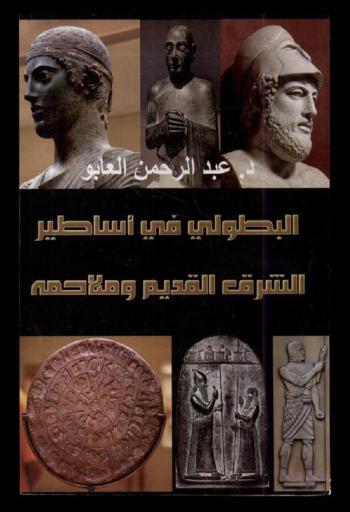
البطولي في أساطير الشرق القديم وملامحه
تتسم دراسة مفهوم جمالي ما في أساطير الشرق القديم وملاحمه بجاذبية خاصة لأنها في الأساس دراسة مجموعة القيم الاجتماعية الناتجة عن علاقة الإنسان الاجتماعي بواقعه مدفوعا برغبة دفينة غايتها فهم الحياة وإدراك كنهها ولأن الفن نتاج جمالي أصلا فإن حرص إنسان بلاد الرافدين على إيصال هذا النتاج الفني للأجيال التي تليه هو في الأصل نابع من موقف جمالي وأخلاقي في آن وعلى ضوء ذلك يقدم هذا الكتاب دراسة بعنوان البطولي في أساطير الشرق القديم وملامحه وتقع الدراسة في أربعة فصول (البطولي في أساطير الخلق والتكوين والبطولي في أساطير البعث والموت والبطولي في ملاحم الشرق القديم وأدوات أسلوبية لتجسيد البطولي في أساطير الشرق القديم وملاحمه)
Book

Djdj Red Ocher \Khuzam Shale\ and its Role in Ancient Egypt between Mythology and Modern Science from the Perspective of the Myth of the Destruction of Humankind
As a precursor to the principles of sustainability, the ancient Egyptian farmers made optimal exploited natural resources, for example, they used soils containing iron, phosphate and lime oxides to improve the properties of agricultural clay soil, so they used the red ocher in increasing soil fertility and raising plant quality (from the perspective of the myth of the destruction of mankind). One of the bright sides in the legend of \"the destruction of mankind\" that was clarified by the study: the ancient Egyptian vocabulary and its specifications, starting with the name and linguistic connotation of red ocher _jdj, mentioned in the text of the ancient Egyptian myth , passing through the nature and the compounds of this ocher, and its importance in improving the contents of soils and fertilization of agricultural lands. The physical and chemical properties of red ocher are quite similar to the physical and chemical properties of Khuzam formation, which was confirmed by XRD analysis. In the east of Luxor, irregular quarries are used by some farmers to fertilize the soil until the present time. Many modern researches in the fields of Earth Sciences, Soil, Edaphology, Pedology, Agriculture and Plants integrated to exploitation of natural and environmental resources, such as Khuzam formation, based on the principle of sustainability.
Journal Article
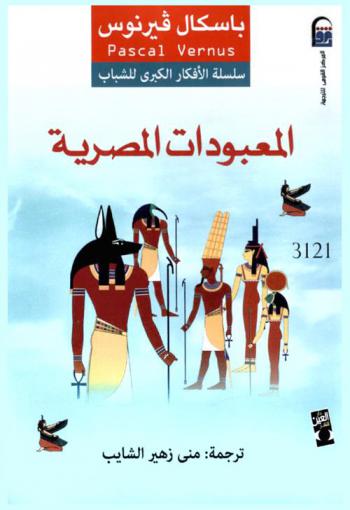
المعبودات المصرية
يوضح الكتاب أن في مصر الفرعونية تزايد عدد المعبودات وانتشرت بصورة واسعة وإذا فضلنا تجنب المفهوم الحيوى لهذين الفعلين نقول أن عدد الآلهة نما بغزارة أدت في النهاية إلى تعتيم مجال الرؤية تماما مثل نباتات الغابة الاستوائية وقد ضمت كل مقاطعة عدة أماكن للعبادة ولم يكن الكثير منها مقرا لمعبود رئيسى فقط ولكن أيضا لعدد من الآلهة التي تتفاوت درجة أرتباطها به.
Book
Some Remarks on the \isd\ Tree
According to Ancient Egyptian myths, in Heliopolitan theology, it was in Heliopolis that the god Atum created the world, and the ancient group of the nine gods known as the Ennead were worshipped there. Heliopolis was the main cult center of the sun god Ra who took the leader role in the Ennead of Heliopolis as early as the 5th dynasty. In Heliopolis the cult of stone symbols and sacred animals was known as the bnbn, iwn pillar, the bnw, Mnevis bull and mongoose. Another important symbol of Heliopolis was a sacred Persea tree called iSd. The iSd tree supplemented the cult of stone symbols and sacred animals and became a very important sacred symbol that exceeded the borders of Heliopolis to become a central subject which contained the keys to divine order. The tree appeared in coronation scenes and scenes related to the Hb-festival, in the Book of the dead, besides its importance as a fruit, leaves and flowers. This paper aims at investigating the importance of the iSd tree and its appearance in scenes and texts. This paper begins with an introduction of the importance of the city of Heliopolis and the origin of the iSd tree, then focuses on the practical use of the tree, as well as its religious and spiritual importance. The study ends with a main conclusion.
Journal Article