
Catalogue Search | MBRL


Are you sure you want to remove the book from the shelf?

{{itemTitle}}
6
result(s) for
"الأصولية الإسلامية نيجيريا"
Sort by:
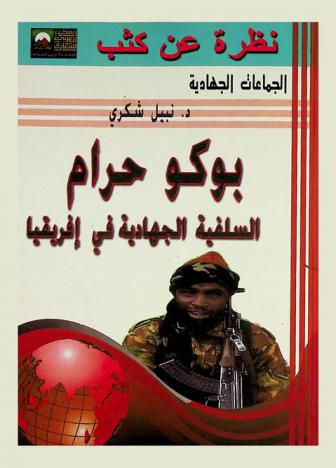
بوكو حرام السلفية الجهادية في إفريقيا
يتناول الكتاب الإجابة على عدة أسئلة حول نشأة حركة بوكو حرام، وتطورها عبر الزمن، كما تناول الكتاب مفهوم «حركة بوكو حرام»، هي حركة إسلامية تعمل في شمال شرق نيجيريا، أصبحت جزءا لا يتجزأ من الحركة الجهادية العالمية، كما تعد حركة بوكو حرام ثالث أخطر تنظيم إرهابي على مستوى العالم ومسؤولة عن 2,34% من المجموع الإجمالي للهجمات الإرهابية التي وصلت إلى 34000 هجوم إرهابي.
BOOK
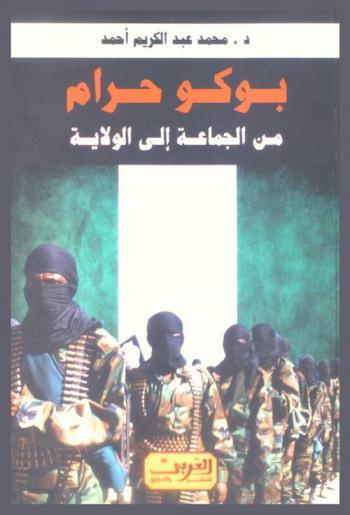
بوكو حرام من الجماعة إلى الولاية : أزمة التطرف والفساد في إفريقيا
من الواضح أن حركة تطبيق الشريعة الإسلامية في نيجيريا، خلال عقد التسعينيات من القرن الماضي، كانت تعبيرا عن فشل النخبة الشمالية على المستوى الاتحادي، أي أنها تجسد حالة من التعويض السياسي للطبقة السياسية الحاكمة في الولايات المسلمة، ولا يخفى أن الخطاب الديني التقليدي، السائد في معظم أنحاء أفريقيا المسلمة، قد أضفى في أحيان كثيرة طابعا شرعيا على أعمال العنف المستندة إلى الدين فالملاحظ أن أعمال العنف الديني، في معظم المدن النيجيرية، كانت ترتبط في الغالب الأعم بخطب الجمعة، التي كانت تستخدم لغة تحريضية وتبث الكراهية تجاه أصحاب العقائد الأخرى، وعلى ضوء ذلك يقدم هذا الكتاب دراسة عن إحدى أشهر الجماعات المتطرفة في نيجرية \"بوكو حرام\"، ويناقش الكتاب : (تمدد بوكو حرام، تهديد بوكو حرام للمصالح الغربية في نيجيريا، بوكو حرام والفكر الجهادي : الجذور والمنطلقات والغايات، والتسلسل التاريخي لبوكو حرام).
Book
Boko Haram and Security Challenges in Nigeria
Nigeria has been be devilled by ethno-religious conflicts with devastating human and material losses since the return of democracy in 1999. But the Boko Haram uprising of July 2009 was significant in that it not only set a precedent, but also reinforced the attempts b y Islamic conservative elements at imposing a variant of Islamic religious ideology on a secular Nigerian state. Whereas the religious sensitivity of Nigerians provided fertile ground for the breeding of the Boko Haram sect, the sect's blossoming was also aided b y the prevailing economic dislocation in Nigerian society, the advent of party politics and politics of anxiety (and the associated desperation of politicians for political power), and the ambivalence of some vocal Islamic leaders, who, though they did not actively embark on insurrection, either did nothing to stop it from fomenting, or only feebly condemned it. These internal factors coupled with growing Islamic fundamentalism around the globe make a highly volatile Nigerian society prone to violence, as evidenced by the Boko Haram uprising. Given the approach of the Nigerian state to religious conflict, this violence may remain a recurring problem. This paper documents and analyses the Boko Haram uprising, as well as its links with the promotion of Islamic revivalism and the challenges it poses to the secularity of the Nigerian state and security agencies.
Journal Article